



With countless diets promoted for weight loss, disease prevention, and overall wellness, the Mediterranean diet consistently stands out. Rooted in the traditional eating patterns of countries bordering the Mediterranean Sea—like Greece, Italy, and Spain—this lifestyle emphasizes whole, minimally processed foods, healthy fats, and a balanced approach to nutrition. But how does it really compare to other popular diets?
Nutrient Balance vs. Restriction
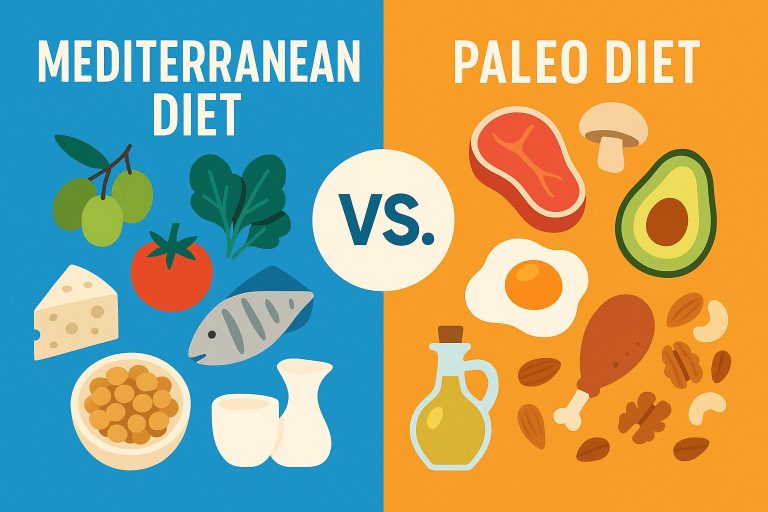
Unlike many trendy diets that focus on excluding entire food groups, such as low-carb or low-fat plans, the Mediterranean diet is inclusive and balanced. It encourages consumption of fruits, vegetables, legumes, whole grains, nuts, seeds, lean proteins (especially fish), and healthy fats like extra virgin olive oil. It limits red meat and processed foods without completely eliminating them. This flexibility makes it more sustainable for long-term adherence compared to restrictive diets like keto or paleo.
For instance, the ketogenic diet is high in fats and extremely low in carbohydrates, aiming to shift the body into a state of ketosis. While effective for rapid weight loss and blood sugar control in some people, the keto diet may be difficult to maintain and lacks the fiber and plant diversity emphasized in the Mediterranean diet.
Heart Health Superiority
When it comes to cardiovascular health, the Mediterranean diet is a proven leader. Decades of research—including the widely cited PREDIMED study—demonstrate its ability to reduce the risk of heart disease, stroke, and high blood pressure. Diets like Atkins or high-protein regimens may offer weight loss benefits, but they don’t have the same robust, long-term data supporting heart health.
Sustainability and Lifestyle
Unlike fad diets that often rely on expensive supplements, complex rules, or drastic changes, the Mediterranean diet promotes a lifestyle centered around fresh, local foods, family meals, and physical activity. It’s more of a cultural pattern than a strict regimen. Compare this to intermittent fasting, which imposes specific time windows for eating, or Whole30, which eliminates sugar, grains, legumes, and dairy entirely for 30 days—many find these hard to integrate into daily life over the long term.
Weight Loss and Maintenance
While the Mediterranean diet isn’t marketed specifically for weight loss, many people naturally lose weight and maintain it due to its emphasis on nutrient-dense, satiating foods and portion control. Unlike calorie-restrictive or meal-replacement diets, it fosters intuitive eating habits that are easier to sustain.
Final Thoughts
In comparison to other popular diets, the Mediterranean diet offers a well-rounded, evidence-backed, and enjoyable approach to eating. Its emphasis on balance, taste, and lifestyle integration makes it not just a diet, but a sustainable path to lifelong health.


Recent Comments