



The Mediterranean diet isn’t just a meal plan—it’s a lifestyle rooted in centuries of tradition from countries bordering the Mediterranean Sea. Renowned for its heart-healthy benefits, anti-inflammatory foods, and focus on whole ingredients, it offers a flexible, sustainable path to better health. But how do you succeed on this journey? Here’s how to make the Mediterranean diet work for you long-term.
1. Focus on Whole, Fresh Foods
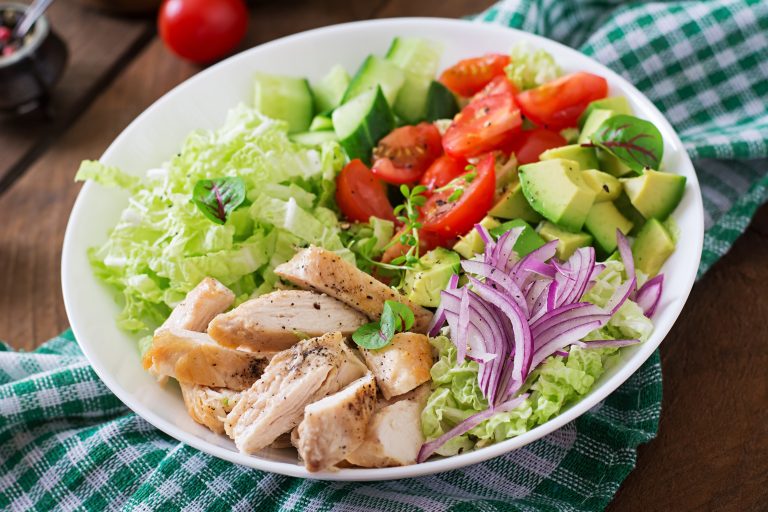
The foundation of the Mediterranean diet is simple: eat real food. This means filling your plate with fresh fruits and vegetables, legumes, whole grains, lean proteins (especially fish), and healthy fats like olive oil and nuts. Limit processed foods, added sugars, and refined grains.
2. Embrace Healthy Fats
Contrary to outdated diet advice, fat isn’t the enemy. In the Mediterranean diet, fat comes primarily from olive oil, nuts, seeds, and fatty fish. These fats support heart health and help you feel full and satisfied. Swap butter for olive oil and snack on almonds instead of chips.
3. Plan Your Meals
Success starts with preparation. Take time each week to plan your meals and snacks. Make a grocery list filled with Mediterranean staples like fresh produce, chickpeas, quinoa, yogurt, olives, and herbs. Having a plan reduces the temptation to grab unhealthy takeout or processed options.
4. Make it Enjoyable
The Mediterranean diet is as much about enjoyment as it is about nutrition. Try new recipes, cook with family, and savor your meals without distractions. Make mealtime an experience rather than a task. Eating slowly helps with digestion and promotes fullness.
5. Stay Active
This lifestyle goes beyond what’s on your plate. Regular physical activity—like walking, swimming, or biking—is a core component of Mediterranean living. Aim for at least 30 minutes a day. It doesn’t have to be intense; consistency is key.
6. Enjoy Wine in Moderation (If You Drink)
Red wine is commonly consumed in small amounts with meals in Mediterranean cultures. If you already drink alcohol, one glass per day can fit within the diet. If not, there’s no need to start.
7. Be Patient and Consistent
Results may not be instant, but the benefits—like improved heart health, energy levels, and weight management—are well worth it. Focus on progress, not perfection.
Final Thoughts
Succeeding on the Mediterranean diet isn’t about strict rules—it’s about building habits that nourish your body and soul. With thoughtful choices, meal planning, and a love of good food, this lifestyle becomes not only achievable but deeply enjoyable.

Recent Comments