

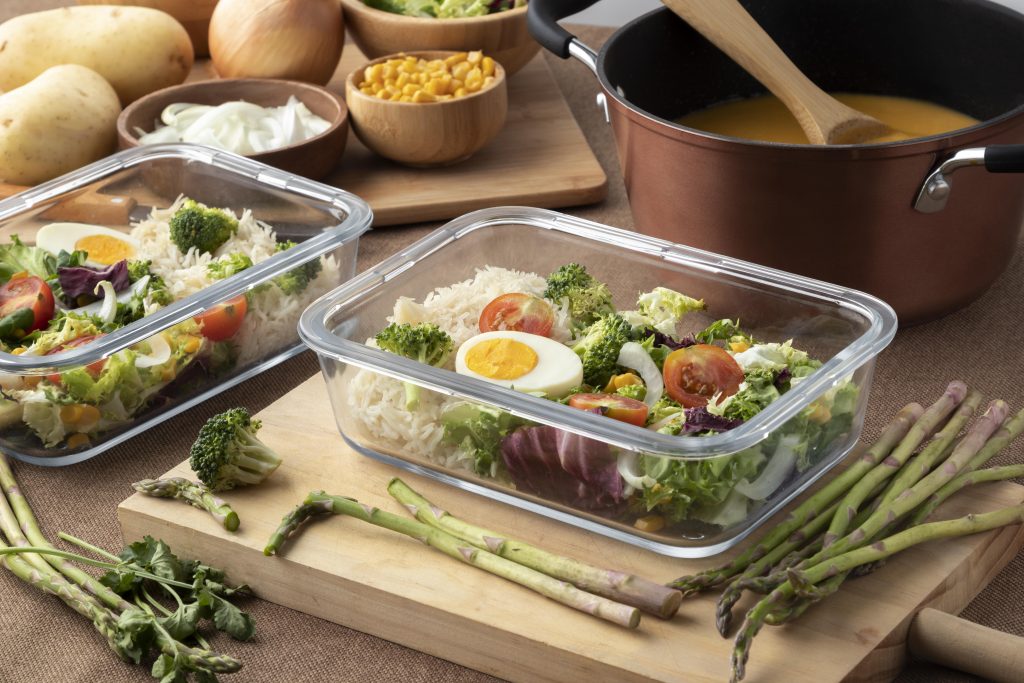

One of the keys to success on the Mediterranean diet is having fresh, high-quality ingredients at your fingertips. But freshness doesn’t last forever without proper storage. Knowing how to store your ingredients the right way can reduce food waste, save money, and ensure your meals are always delicious and nutritious.
Olive Oil and Healthy Fats
Extra virgin olive oil, a cornerstone of the Mediterranean diet, should be stored in a cool, dark place—like a pantry or cupboard away from the stove or windows. Light and heat can degrade its quality. Keep it tightly sealed in a dark glass bottle or stainless steel container. Avoid refrigeration, as it can cause condensation and impact the flavor.
Fresh Fruits and Vegetables
Most vegetables like leafy greens, cucumbers, and bell peppers should be stored in the crisper drawer of the refrigerator. Store greens in a container lined with paper towels to absorb moisture and keep them crisp. On the other hand, tomatoes, garlic, and onions do best at room temperature, away from direct sunlight. Ethylene-producing fruits like bananas and apples should be stored separately from sensitive vegetables to prevent premature spoilage.
Whole Grains and Legumes
Dry goods such as brown rice, quinoa, barley, lentils, and chickpeas can last a long time if stored properly. Keep them in airtight containers in a cool, dry pantry. For extra protection from moisture and pests, consider using glass jars with tight lids. If you’ve cooked a batch ahead of time, store them in the fridge for up to 4 days or freeze them in portion-sized containers.
Seafood and Lean Proteins
Fresh fish and poultry should be eaten within 1–2 days of purchase. Store them in the coldest part of your refrigerator, ideally in a sealed container to avoid cross-contamination. If you’re not cooking them immediately, freeze them in airtight bags labeled with the date. Canned fish like sardines or tuna is shelf-stable until opened, but should be refrigerated and consumed within a couple of days after opening.
Dairy and Cheese
Opt for small quantities of quality cheeses like feta or Parmesan. Keep cheese in its original wrapping or rewrap it in wax paper followed by plastic wrap to allow it to breathe while staying moist. Store in the refrigerator’s cheese drawer or a similar slightly humid area.
Final Tip
Organize your fridge and pantry using the “first in, first out” method—use older items first to reduce waste. Proper storage not only helps preserve flavor and nutrition but also makes Mediterranean cooking more efficient and enjoyable.



Recent Comments