
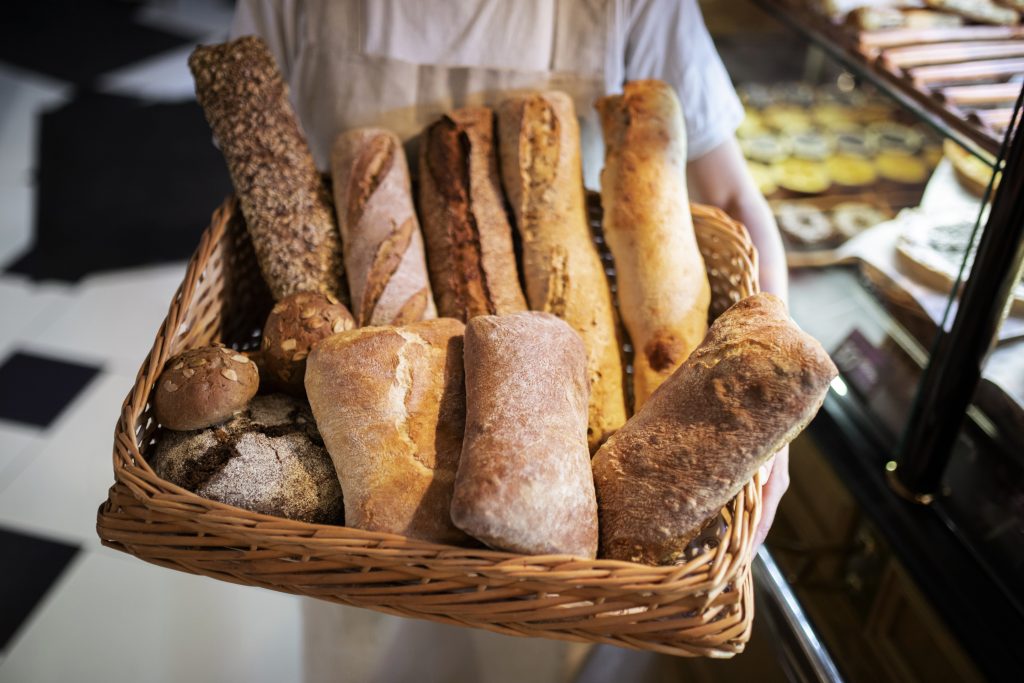

Yes, you can eat bread on the Mediterranean diet. Bread has been a daily food around the Mediterranean for thousands of years. The best choices are whole-grain breads, traditional sourdough, whole-wheat pita, rye and other breads made with simple ingredients, eaten in sensible portions and paired with olive oil, vegetables, legumes or fish rather than butter and processed meats.
What makes a bread “Mediterranean-friendly”?
- Whole grains first: look for whole wheat, whole rye, barley, spelt or oats as the first ingredient.
- Short ingredient list: flour, water, salt, yeast or sourdough starter, and perhaps seeds.
- Fiber: ideally 3 g or more per slice.
- Little or no added sugar.
- Moderate sodium: bread is a hidden source of salt, so compare labels.
The best breads for the Mediterranean diet
| Bread | Why it fits | How to enjoy it |
|---|---|---|
| 100% whole-wheat bread | High in fiber and nutrients | Toast with olive oil and tomato |
| Traditional sourdough | Long fermentation; often easier to digest; whole-grain versions are best | With soups and salads |
| Whole-wheat pita | Classic in Greece and the Levant | Filled with falafel, salad and hummus |
| Rye or pumpernickel | Dense, high-fiber and filling | With smoked fish or cheese |
| Barley or multigrain loaves | Extra fiber and texture | Sandwiches with vegetables |
| Sprouted grain bread | Whole grains with good fiber and protein | Breakfast toast |
| Whole-grain flatbreads | Quick and versatile | Homemade pizza or wraps |
Breads to limit
- Soft white sandwich bread
- Brioche, croissants and sweet breads
- Garlic bread made with butter
- “Multigrain” breads that are mostly white flour (check the first ingredient)
How much bread can you eat?
There is no fixed limit, but a practical guide is 1 to 2 slices with a meal, with bread taking up no more than about a quarter of your plate. If weight loss is a goal, keep portions modest and let vegetables and legumes fill most of the plate.
How bread is eaten around the Mediterranean
- Spain: pan con tomate, toast rubbed with tomato, garlic and olive oil.
- Greece: bread served with salads to soak up olive oil and tomato juices; dakos, barley rusks topped with tomato and feta.
- Italy: bruschetta and bread used to scoop up sauces; leftover bread used in panzanella salad.
- Lebanon and Turkey: pita and flatbreads with mezze such as hummus, baba ghanoush and grilled vegetables.
Healthy ways to top your bread
- Extra virgin olive oil with herbs instead of butter
- Hummus, avocado or white bean spread
- Tomato, cucumber and a little feta
- Sardines or smoked salmon
- Ricotta with figs or berries
Frequently asked questions
Is sourdough healthier than regular bread?
Sourdough’s long fermentation may make it easier to digest for some people, but whole-grain sourdough is the better choice for fiber. White sourdough is still a refined bread.
Is gluten-free bread better?
Only if you have celiac disease or gluten sensitivity. Many gluten-free breads are low in fiber. Choose ones made with whole grains like buckwheat or brown rice.
Can I eat bread and still lose weight?
Yes, if portions are sensible and the rest of the meal is built around vegetables and protein. See how to lose weight on the Mediterranean diet.
Related: pasta on the Mediterranean diet, pizza on the Mediterranean diet and the benefits of whole grains.

Recent Comments