



You can lose weight on the Mediterranean diet by eating mostly vegetables, legumes, fish and whole grains, using olive oil without overdoing it, keeping sweets, refined carbs and alcohol occasional, and paying attention to portions. The diet is not a quick fix. Its strength is that it is filling and enjoyable enough to stick with, which is what leads to steady, lasting weight loss, typically around 0.5 to 1 kg (1 to 2 lb) a week once you are in a moderate calorie deficit.
Why the Mediterranean diet supports weight loss
- High fiber and volume: vegetables, legumes and whole grains fill you up with fewer calories.
- Protein from fish, legumes, eggs and yogurt helps control appetite.
- Fewer ultra-processed foods, which are easy to overeat.
- It is sustainable: no food groups are banned, so it is easier to keep going than strict diets.
Research reviews summarized by the Harvard T.H. Chan School of Public Health find that Mediterranean diets produce weight loss similar to other diets, with the advantage of strong heart-health benefits and good long-term adherence.
10 practical ways to lose weight on the Mediterranean diet
- Fill half your plate with vegetables at lunch and dinner.
- Make legumes a main dish several times a week: lentil soup, chickpea salad, bean stew.
- Measure olive oil for a week. It is healthy but calorie-dense (about 120 calories per tablespoon). Use it, but don’t pour freely.
- Choose fish and poultry over red and processed meats.
- Swap refined grains for whole grains, and keep pasta, rice and bread portions to about a quarter of the plate.
- Snack on whole foods: fruit, a small handful of nuts or plain Greek yogurt.
- Drink water and keep sugary drinks and juices out of your routine.
- Keep alcohol small or skip it. Wine adds calories and can loosen portion control.
- Eat slowly and sit down to meals, a core habit of Mediterranean eating.
- Move every day: walking after meals is a simple Mediterranean habit that helps.
What a weight-loss Mediterranean plate looks like
| Portion of plate | Food |
|---|---|
| ½ | Non-starchy vegetables or salad |
| ¼ | Lean protein: fish, chicken, eggs, legumes, tofu |
| ¼ | Whole grains or starchy foods: bulgur, barley, whole-grain bread, potatoes |
| Plus | 1 tbsp olive oil, herbs, lemon, spices |
A sample day (about 1,600 to 1,800 calories)
- Breakfast: plain Greek yogurt with berries and 1 tbsp chopped walnuts.
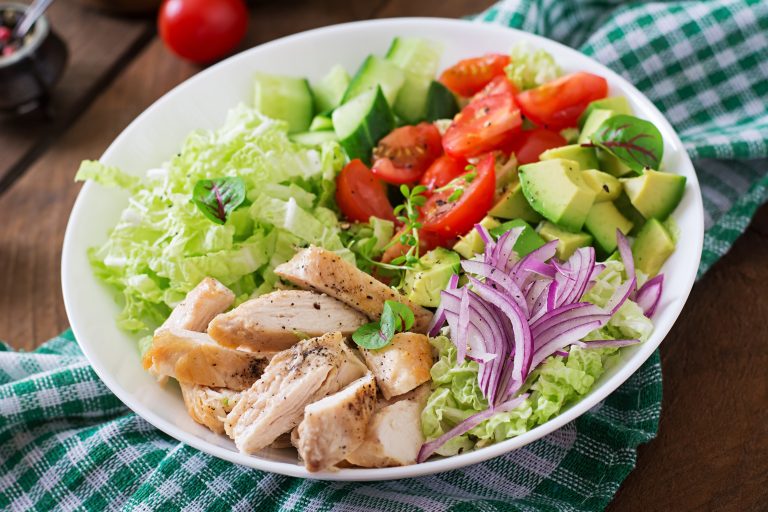
- Lunch: big salad with chickpeas, tomato, cucumber, red onion, a little feta and olive oil-lemon dressing.
- Snack: an apple and 10 almonds.
- Dinner: baked fish with roasted vegetables and a small portion of bulgur.
For a full week, see our 7-day Mediterranean meal plan for weight loss.
Common mistakes that stall weight loss
- Using olive oil, nuts and cheese freely because they are “healthy”.
- Big bowls of pasta or bread with every meal.
- Daily wine.
- Snacking on large portions of dried fruit and honey.
- Expecting rapid results and giving up after a couple of weeks.
More on this in why you might not be losing weight on the Mediterranean diet and common Mediterranean diet mistakes.
How fast will you lose weight?
With a moderate calorie deficit, many people lose about 0.5 to 1 kg (1 to 2 lb) a week, sometimes more in the first weeks. Slower, steady loss is more likely to last.
Frequently asked questions
Do I need to count calories?
Not necessarily. Many people lose weight by building plates as above and limiting extras. If progress stalls, tracking for a couple of weeks can show where calories are adding up.
Can I eat pasta and still lose weight?
Yes, in sensible portions with plenty of vegetables and protein. See pasta on the Mediterranean diet.
Is the Mediterranean diet better than keto for weight loss?
Long-term results are similar. The Mediterranean diet is usually easier to maintain. See Mediterranean vs keto.

Recent Comments