



The Mediterranean diet is known for being flexible and easy to follow—but that doesn’t mean mistakes can’t happen 😅. Many people start strong, then wonder why they’re not seeing or feeling results. The good news? Most stalls come from small, fixable habits, not big failures.
Here are the most common Mediterranean diet mistakes—and how to avoid them 🫒✨.
🥗 1. Not Eating Enough Vegetables
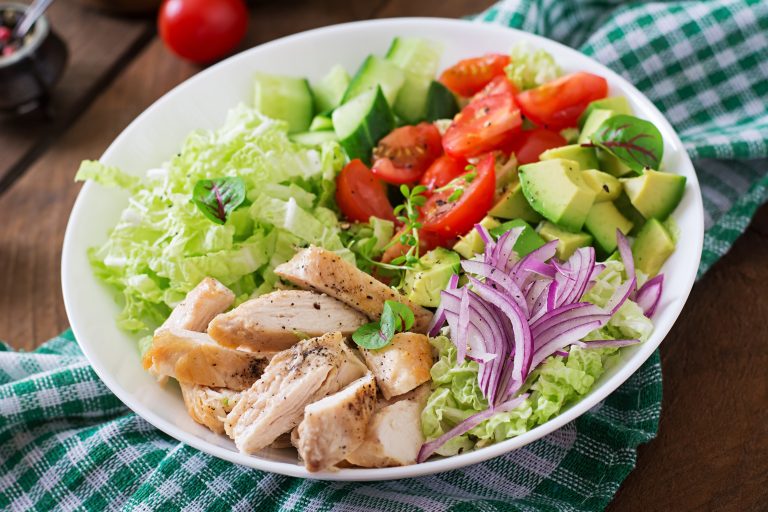
One of the biggest mistakes is treating vegetables like a side dish instead of the main event. On the Mediterranean diet, vegetables should fill most of your plate 🥦🍅.
Fix it: Add vegetables to every meal—breakfast omelets, lunch bowls, dinner sides, even snacks. More fiber means better digestion and steady energy.
🫒 2. Using Healthy Fats… But Too Much
Olive oil is healthy, but it’s still calorie-dense. Drizzling it freely without balance can slow progress ⚠️.
Fix it: Use olive oil mindfully. A little goes a long way for flavor and heart health. Measure when needed until you learn portions.
🍞 3. Overdoing Bread and Pasta
Yes, bread and pasta are allowed—but they’re not the star of every meal. Eating large portions too often can hold you back 🍝.
Fix it: Choose whole grains and keep portions reasonable. Pair them with vegetables, protein, and olive oil to stay full longer.
🐟 4. Skipping Protein
Some people focus so much on plants that they forget protein. Without enough protein, you may feel hungry or low on energy 💤.
Fix it: Include fish, beans, lentils, eggs, yogurt, or poultry regularly. Balanced meals help prevent cravings.
📦 5. Eating Too Many “Mediterranean” Processed Foods
Not all foods labeled “Mediterranean” are healthy. Packaged hummus, crackers, or sauces can be high in salt and additives 🚫.
Fix it: Choose whole foods when possible. Simple meals made at home usually work best.
⏱️ 6. Expecting Fast Results
The Mediterranean diet isn’t a quick-fix plan—and that’s actually its strength 💪. Expecting rapid weight loss can lead to frustration.
Fix it: Focus on how you feel—energy, digestion, mood—not just the scale. Progress happens steadily.
😔 7. Trying to Be Perfect
Perfection is the fastest way to quit. One “off” meal doesn’t undo your progress 😌.
Fix it: Think long-term. Enjoy meals out, family gatherings, and treats without guilt. Consistency matters more than strict rules.
✨ The Bottom Line
The Mediterranean diet works best when it’s balanced, relaxed, and realistic 🫒❤️. Small tweaks—more vegetables, mindful portions, enough protein—can get you back on track.
If progress feels slow, don’t quit. Adjust, keep going, and trust the process. That’s the Mediterranean way—and it works 🌿.

Recent Comments