
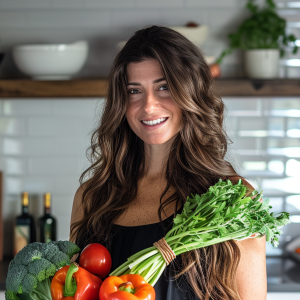


One of the best parts of the Mediterranean diet is that it’s packed with flavor—without needing heavy sauces or excess salt. Instead, it relies on a rainbow of herbs and spices that not only make meals delicious but also bring amazing health benefits. 🌞 From antioxidants to anti-inflammatory properties, these seasonings are as good for your body as they are for your taste buds. Let’s explore 10 Mediterranean diet-friendly herbs and spices you’ll want in your kitchen. 🍴🌿
1. Oregano 🌱
This classic herb is a Mediterranean favorite, sprinkled over salads, grilled meats, and sauces. It’s rich in antioxidants and has natural antibacterial properties.
2. Basil 🌿🍅
Perfect with tomatoes, basil is the star of many Mediterranean dishes. It adds freshness and may help reduce inflammation and support heart health.
3. Rosemary 🌿🔥
This fragrant herb is wonderful with roasted vegetables, chicken, or lamb. It’s packed with compounds that may boost memory and circulation.
4. Thyme 🌿🍋
Thyme pairs beautifully with fish, soups, and roasted dishes. Its antimicrobial properties make it both a flavor booster and a natural healer.
5. Parsley 🌿🥗
Often used as a garnish, parsley is actually a nutrient powerhouse, loaded with vitamin C, vitamin K, and antioxidants. Great in salads or sprinkled over grilled fish.
6. Sage 🌿🧄
Sage adds depth to sauces and roasted meats. Traditionally, it has been used to improve digestion and even support brain health.
7. Mint 🌱🍋
Refreshing and versatile, mint is common in Mediterranean teas, salads, and yogurt dips. It soothes digestion and adds a cooling touch to meals.
8. Garlic 🧄❤️
Technically not an herb, but garlic is a staple in Mediterranean cooking. It supports heart health, lowers blood pressure, and boosts immunity—all while enhancing flavor.
9. Cinnamon 🌿🍯
Used in both savory and sweet dishes, cinnamon adds warmth to Mediterranean meals. It also helps balance blood sugar and reduce inflammation.
10. Cumin 🌱🥘
Earthy and aromatic, cumin is often found in Mediterranean stews and spice blends. It’s linked to improved digestion and antioxidant benefits.
Final Sprinkle 🌿✨
Herbs and spices aren’t just seasonings—they’re superfoods in disguise. By adding oregano, basil, rosemary, and the rest of this flavorful lineup, you’ll make your Mediterranean meals more exciting while boosting your health naturally. 🌞🥗
👉 Next time you cook, swap salt for one of these herbs or spices and enjoy the flavor and health perks. Your body—and taste buds—will thank you! 🍴💚

Recent Comments