
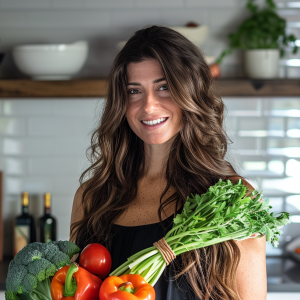


I’ll be honest—I didn’t expect much in just 7 days 😅. As someone who’s health-conscious, I’ve tried different ways of eating before. Some felt too strict, others too complicated.
So when I decided to try the Mediterranean diet for a week, I thought it would just be another “healthy eating experiment.”
But what surprised me? It felt… easy. And that changed everything 🫒✨
🥗 Day 1–2: It Didn’t Feel Like a Diet
The first thing I noticed was how normal everything felt. No weird rules, no cutting out entire food groups.
My meals looked like:
- Eggs, tomatoes, and whole grain bread 🍳🍞
- Rice with grilled fish and vegetables 🐟🥗
- Yogurt with fruit and nuts 🥣
I wasn’t starving. I wasn’t counting calories. I was just eating real food—and enjoying it.
⚡ Day 3–4: My Energy Changed
By the middle of the week, something unexpected happened…
👉 I stopped crashing in the afternoon.
Usually, I’d reach for coffee or something sweet ☕🍫. But with Mediterranean eating—more whole foods, healthy fats, and balanced meals—I felt steady energy all day ⚡
No big highs. No crashes. Just… consistent.
🍽️ Day 5: I Started Enjoying Food More
This one surprised me the most.
Instead of rushing meals, I started slowing down. Adding olive oil 🫒, fresh ingredients, simple flavors—it made everything taste better.
I wasn’t just eating to be “healthy.”
I was actually enjoying my meals again 😋
😌 Day 6: Less Cravings, Less Stress
Normally, I’d snack out of habit. But this time, I felt more satisfied after meals.
Because I was eating:
- More fiber (veggies, grains) 🌾
- More healthy fats (olive oil, nuts) 🫒🌰
- Enough protein 🐟
I didn’t feel the need to constantly snack.
Even better? I stopped stressing about food. No guilt. No overthinking.
💚 Day 7: It Felt Sustainable
By the end of the week, I realized something important:
👉 This is something I could actually stick to.
The Mediterranean diet for beginners isn’t about perfection. It’s about balance.
You can still:
- Eat bread 🍞
- Enjoy pasta 🍝
- Have dessert sometimes 🍰
That flexibility made it feel realistic—not restrictive.
✨ What I Learned After 7 Days
After just one week of Mediterranean eating, I noticed:
- Better energy ⚡
- Fewer cravings 🍫🚫
- More enjoyment with food 😋
- Less pressure around eating 😌
And the biggest surprise?
Healthy eating didn’t feel like hard work anymore.
🫒 The Bottom Line
If you’re starting the Mediterranean diet, don’t overthink it.
Keep it simple:
- Eat more whole foods
- Add vegetables to your meals 🥗
- Use olive oil 🫒
- Focus on balance, not perfection
You don’t need a complete life overhaul. Sometimes, just one week is enough to show you what’s possible 💚
Recent Comments