

Ever looked in the mirror and felt like your skin looked dull, tired, or just… off? 😅 You try new skincare, drink more water, maybe even buy expensive products—but nothing really changes.
Here’s something most people overlook 👉 your skin reflects what you eat.
If you’re starting the Mediterranean diet, here’s the exciting part: it doesn’t just support your health—it can help your skin look clearer, brighter, and more radiant ✨🫒
🫒 Why the Mediterranean Diet Helps Your Skin
The Mediterranean diet focuses on whole, nutrient-rich foods that naturally support skin health.
Think:
- Fresh vegetables and fruits 🥗🍓
- Healthy fats like olive oil 🫒
- Fish rich in omega-3s 🐟
- Nuts and seeds 🌰
These foods are packed with antioxidants, vitamins, and healthy fats—all essential for glowing skin.
Instead of relying on quick fixes, you’re feeding your skin from the inside out 💚
🌿 What Happens to Your Skin
When you consistently eat Mediterranean-style, many beginners notice:
- Skin looks more hydrated 💧
- Less dryness and irritation
- A natural glow starts to appear ✨
- Fewer breakouts for some people
Why? Because these foods help reduce inflammation and support your body’s natural repair process.
🥗 Key Foods for That Natural Glow
If your goal is better skin, focus on adding these:
- Olive oil 🫒 – supports skin hydration
- Tomatoes 🍅 – rich in antioxidants
- Leafy greens 🥬 – full of vitamins
- Fatty fish 🐟 – helps with skin elasticity
- Berries 🍓 – protect against skin damage
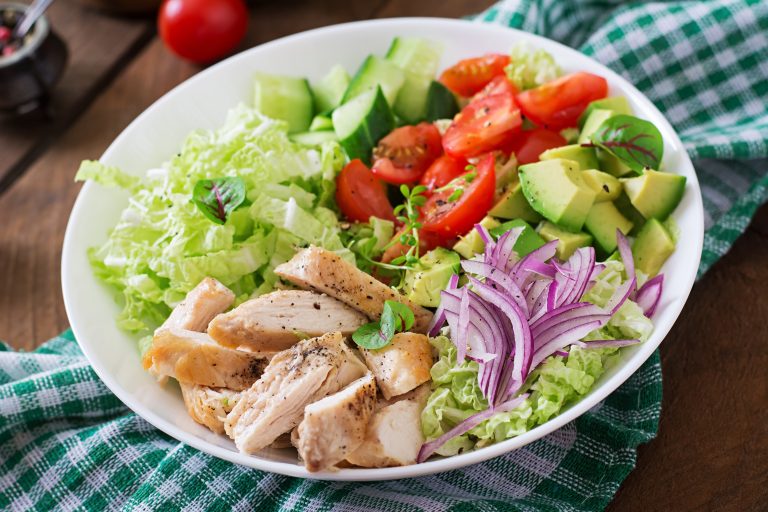
You don’t need complicated recipes—simple meals work just fine.
😌 It’s Not About Perfection
Here’s what I personally noticed when I started eating Mediterranean-style…
I didn’t suddenly wake up with perfect skin 😅. But after a couple of weeks, my skin looked healthier. Less dull. More alive.
And the best part? I wasn’t stressing about food anymore.
No extreme rules. No cutting everything out. Just real food, consistently.
🍽️ Simple Daily Habits That Help
If you’re a beginner, keep it easy:
- Add vegetables to every meal 🥗
- Use olive oil instead of processed fats 🫒
- Eat fish a few times a week 🐟
- Snack on fruits or nuts 🍎🌰
- Stay hydrated 💧
Small habits like these can make a big difference over time.
✨ The Bottom Line
If you’re looking for glowing skin, don’t just rely on skincare products.
Start with your plate.
The Mediterranean diet for better skin works because it’s natural, balanced, and sustainable. It helps your body—and your skin—feel better from the inside out 💚
No perfection needed. Just consistency.
And that glow? It will come ✨

Recent Comments