


Ever been to a party and thought, “There’s nothing here I can eat…”? 😅
If you’re just starting the Mediterranean diet, social gatherings can feel tricky. Buffets, desserts, fried food everywhere—it’s easy to feel like you’re off track.
But here’s the good news 👉 You don’t have to choose between your health and having fun. The Mediterranean diet is actually one of the easiest ways to eat well at parties 🎉🫒.
🫒 Why the Mediterranean Diet Works for Social Events
Unlike strict diets, the Mediterranean diet is flexible and realistic. It’s not about saying “no” to everything—it’s about choosing better, balanced options.
At most gatherings, you’ll already find foods that fit:
- Grilled meats or fish 🍗🐟
- Salads and vegetables 🥗
- Cheese, nuts, and olives 🧀🌰
- Bread and dips like hummus 🫓
See? You’re not as limited as you think 😌
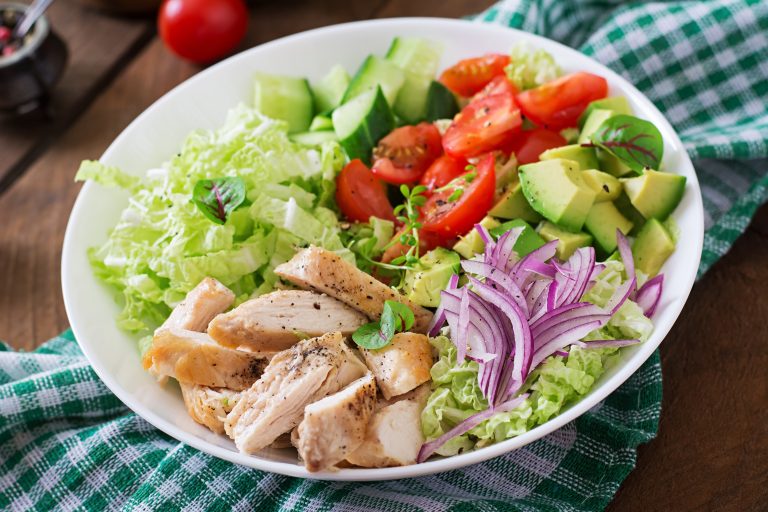
🥗 Build a Balanced Plate (Without Overthinking)
When you’re at a party, don’t stress about being perfect. Just follow a simple rule:
👉 Fill your plate with:
- Vegetables first 🥦
- Protein like fish, chicken, or beans 🐟
- Add healthy fats like olive oil, nuts, or cheese 🫒
Then, enjoy small portions of other foods if you want. This keeps you satisfied and prevents overeating.
🍰 Yes, You Can Enjoy Treats
Here’s something beginners love: you don’t have to skip dessert 🍰
The Mediterranean diet isn’t about restriction—it’s about balance. Go ahead and enjoy a small slice of cake or a sweet treat. Just savor it slowly and mindfully 😋
When you remove guilt, you’re less likely to overdo it.
🍷 Don’t Forget the Social Side
Mediterranean eating isn’t just about food—it’s about connection ❤️
At gatherings:
- Talk more, eat slower 🍽️
- Enjoy conversations
- Focus on the experience, not just the food
This naturally helps you eat less while enjoying more.
🛒 Bring a Dish (Your Secret Weapon)
If you’re unsure about the food options, bring your own Mediterranean-inspired dish.
Easy ideas:
- Greek salad 🥗
- Hummus with veggies 🥕
- Fruit platter 🍓
- Whole grain pasta salad 🍝
Not only will you have something healthy to eat—you’ll likely inspire others too 😉
😌 Keep It Real, Not Perfect
Let’s be honest—no one eats perfectly at every party. And that’s okay.
The goal isn’t perfection. It’s consistency over time.
One meal won’t ruin your progress—but your daily habits matter.
✨ The Bottom Line
Following the Mediterranean diet at social gatherings and parties doesn’t mean missing out 🎉
It means:
- Choosing balance over restriction
- Enjoying real food
- Connecting with people
- And actually having a good time
Because healthy eating shouldn’t isolate you—it should fit your life 💚🫒

Recent Comments