

Ever feel like eating healthy takes too much time? 😩 What if you could build a delicious, nourishing meal in under 10 minutes—no stress, no complicated recipes, just real food that loves your body back? Welcome to the magic of Mediterranean bowls! 💙
If you’re new to the Mediterranean diet, this is one of the easiest (and tastiest!) ways to start. These bowls are all about fresh ingredients, balanced nutrition, and bold flavors—without the overwhelm.
🌿 Why Mediterranean Bowls?
The Mediterranean diet is known for promoting heart health, glowing skin, and overall wellness. But the best part? It’s simple. Mediterranean bowls follow a flexible formula you can mix and match anytime.
Think of it as your “build-your-own healthy plate” 🍽️
🥗 The Simple Mediterranean Bowl Formula
Here’s how to create your bowl in minutes:
1. Start with a base
Choose something filling and wholesome:
- Brown rice 🍚
- Quinoa
- Couscous
- Or even leafy greens 🥬
2. Add protein
Keep you full and energized:
- Grilled chicken 🍗
- Tuna or salmon 🐟
- Chickpeas or lentils (great plant-based options!)
3. Load up on veggies
The more colorful, the better! 🌈
- Cucumbers
- Cherry tomatoes 🍅
- Spinach
- Roasted eggplant or zucchini
4. Add healthy fats
This is key in the Mediterranean diet:
- Olive oil 🫒
- Avocado 🥑
- Olives or a sprinkle of feta cheese
5. Finish with flavor
Don’t skip this part—it makes everything pop! ✨
- Lemon juice 🍋
- Garlic
- Herbs like oregano or parsley
- A drizzle of tzatziki or hummus
🥙 3 Quick Bowl Ideas to Try
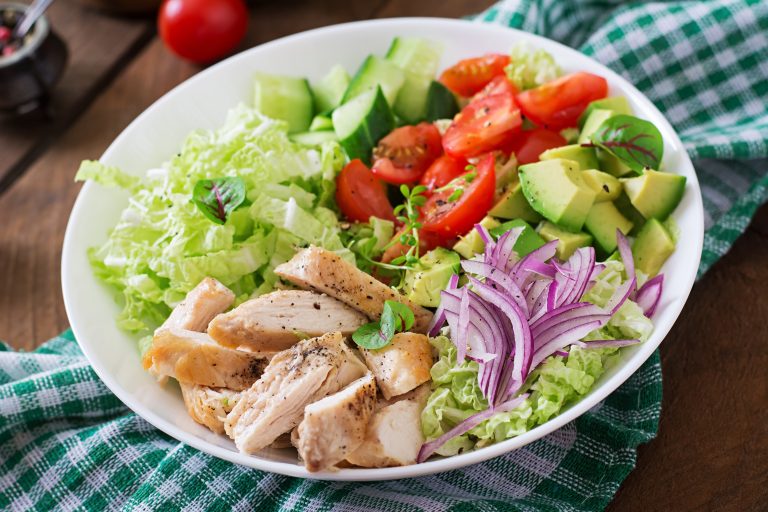
1. Classic Greek Bowl 🇬🇷
Brown rice + grilled chicken + cucumber + tomato + olives + feta + olive oil + lemon
2. Plant-Based Power Bowl 🌱
Quinoa + chickpeas + spinach + roasted veggies + hummus + tahini drizzle
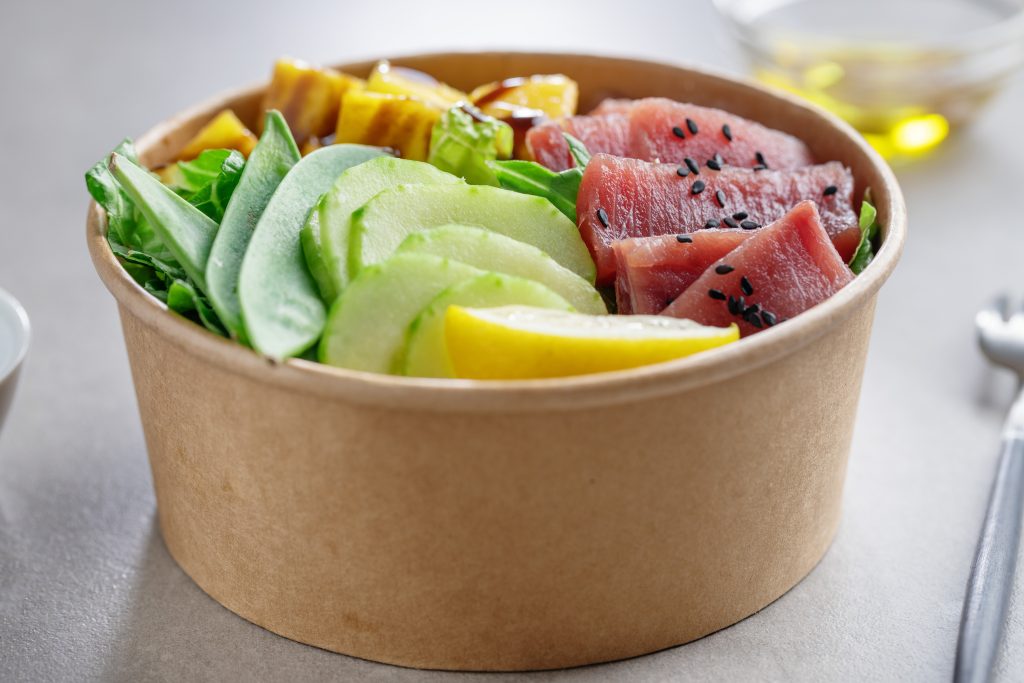
3. Fresh Tuna Bowl 🐟
Leafy greens + tuna + cherry tomatoes + avocado + olives + olive oil + lemon
💡 Why You’ll Love It
Mediterranean bowls are perfect for busy days because they’re:
- Quick to prepare ⏱️
- Budget-friendly 💸
- Packed with nutrients 💪
- Easy to customize
No strict rules, no complicated cooking—just real, feel-good food.
🌞 Final Thoughts
Starting a healthy lifestyle doesn’t have to be hard. With simple Mediterranean bowls, you can enjoy delicious meals that support your health, boost your energy, and even help you feel more confident in your choices.
So next time you’re wondering what to eat, remember this: grab a bowl, mix what you love, and keep it simple. Your body (and taste buds!) will thank you. 😋
Recent Comments