
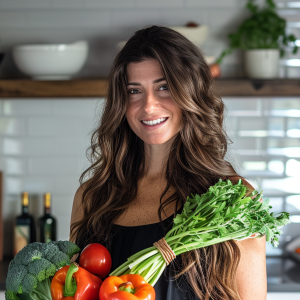
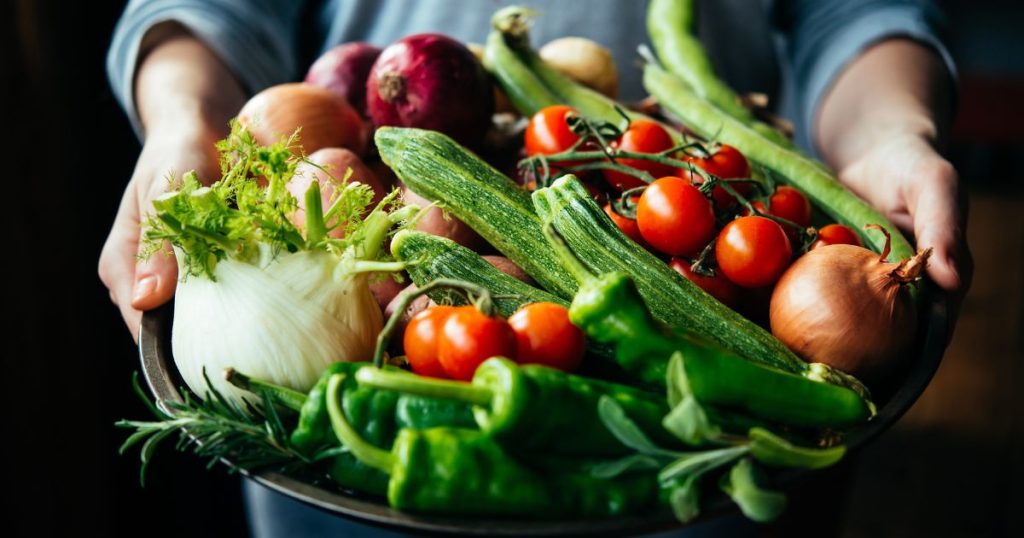

Vegetables are the foundation of the Mediterranean diet, eaten at almost every meal and in generous amounts. The most typical are tomatoes, leafy greens, eggplant, zucchini, peppers, onions, garlic, artichokes, cucumbers and broccoli, usually cooked or dressed with extra virgin olive oil. A good goal is to fill half your plate with vegetables at lunch and dinner.
The top 12 vegetables for the Mediterranean diet
| Vegetable | Why it is great | Mediterranean way to eat it |
|---|---|---|
| Tomatoes | Lycopene, vitamin C; absorbed better with olive oil | Greek salad, sauces, slow-roasted |
| Leafy greens (spinach, rocket, kale, chard) | Folate, vitamin K, nitrates | Sautéed with garlic and lemon; spanakopita |
| Eggplant | Fiber and polyphenols | Baba ghanoush, roasted, moussaka |
| Zucchini | Light and versatile | Grilled, in frittatas, zucchini noodles |
| Peppers | Very high in vitamin C | Roasted with olive oil, stuffed |
| Onions and garlic | Flavor base with prebiotic fibers | Start of almost every dish |
| Artichokes | One of the highest-fiber vegetables | Grilled, marinated, on pizza |
| Broccoli and cauliflower | Fiber, vitamin C and sulforaphane | Roasted with olive oil and lemon |
| Cucumbers | Hydrating and refreshing | Tzatziki, salads |
| Fennel | Crunchy, aniseed flavor | Shaved in salads with orange |
| Beetroot | Nitrates and folate | Roasted, in salads with feta |
| Legumes (honorary vegetables) | Protein and fiber | Lentil soup, chickpea salads, bean stews |
How many vegetables should you eat?
Aim for at least 3 to 5 servings of vegetables a day, and more if you can. One serving is roughly a cup of raw leafy greens or half a cup of cooked vegetables. In practice, that means vegetables at lunch and dinner, and often at breakfast too.
Why cooking vegetables in olive oil helps
Many vegetables contain fat-soluble nutrients such as lycopene in tomatoes and carotenoids in peppers and greens. Cooking or dressing them with extra virgin olive oil helps your body absorb them, and it makes vegetables taste good enough to eat in large amounts, which is half the secret of the Mediterranean diet. Read more about olive oil on the Mediterranean diet.
Fresh, frozen or canned?
All count. Frozen vegetables are picked and frozen at peak ripeness and are just as nutritious; canned tomatoes and artichokes are pantry staples. Choose low-salt canned options. See frozen vegetables on the Mediterranean diet and canned vegetables.
Simple ways to eat more vegetables
- Start dinner with a salad dressed with olive oil and lemon.
- Roast a big tray of mixed vegetables twice a week.
- Add spinach or peppers to eggs at breakfast.
- Make vegetable-heavy soups and stews with legumes.
- Bulk up pasta sauces with zucchini, eggplant and mushrooms.
- Keep cut vegetables and hummus ready for snacks.
Classic Mediterranean vegetable dishes
- Greek salad (horiatiki): tomato, cucumber, onion, peppers, olives, feta and olive oil.
- Ratatouille / briam: slow-baked summer vegetables in olive oil.
- Ladera: Greek vegetables such as green beans or okra braised in olive oil and tomato.
- Escalivada: Catalan roasted peppers, eggplant and onion.
- Caponata: Sicilian sweet-and-sour eggplant.
More: the best fruits, the full Mediterranean food list and a weekly meal plan.
Frequently asked questions
Are potatoes allowed?
Yes, in moderation, ideally roasted or boiled with olive oil rather than fried. Count them as a starchy food rather than a vegetable serving.
Is corn a vegetable on this diet?
Corn is a starchy grain-like vegetable; it is fine in moderation.

Recent Comments