



The Mediterranean diet, famous for its heart-healthy benefits and vibrant flavors, emphasizes a balanced intake of proteins, carbohydrates, and fats. Protein is crucial for building and repairing tissues, and the Mediterranean diet offers a variety of delicious and healthy protein sources. Here are the best protein options to include:
Fish: Fish, particularly fatty fish like salmon, mackerel, and sardines, are rich in omega-3 fatty acids. These essential fats promote heart health, reduce inflammation, and support brain function. Consuming fish at least twice a week is a cornerstone of the Mediterranean diet.
Shellfish: Shrimp, mussels, and clams are excellent protein sources and are low in fat. They provide essential minerals like zinc, iron, and selenium, which support immune function and overall health.
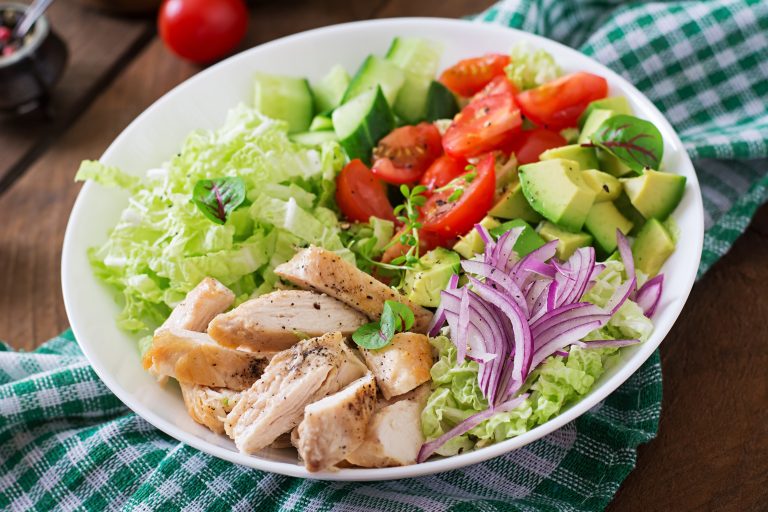
Poultry: Chicken and turkey are lean protein options that are versatile and easy to incorporate into a variety of dishes. They are lower in saturated fat compared to red meat, making them a healthier choice for regular consumption.
Legumes: Beans, lentils, and chickpeas are plant-based protein powerhouses. They are high in fiber, which aids in digestion and helps maintain stable blood sugar levels. Legumes are also a great source of vitamins and minerals, including folate and iron.
Nuts and Seeds: Almonds, walnuts, sunflower seeds, and chia seeds provide protein, healthy fats, and fiber. They are also rich in antioxidants and can help lower cholesterol levels. Nuts and seeds make a great snack or addition to salads and yogurt.
Dairy: Greek yogurt, cheese, and milk are traditional components of the Mediterranean diet. They offer high-quality protein and calcium, which are essential for bone health. Opt for low-fat or fat-free versions to keep saturated fat intake in check.
Eggs: Eggs are a versatile and nutrient-dense protein source. They contain all essential amino acids, making them a complete protein. Enjoy them boiled, poached, or in vegetable-packed omelets.
Tofu and Tempeh: For those following a plant-based Mediterranean diet, tofu and tempeh are excellent alternatives to animal proteins. They are made from soybeans, which are a complete protein, and can be used in a variety of savory dishes.
Quinoa: This ancient grain is unique because it is a complete protein, containing all nine essential amino acids. Quinoa is also rich in fiber, vitamins, and minerals, making it a nutritious addition to salads and side dishes.
Lean Red Meat: While not a primary protein source in the Mediterranean diet, lean cuts of red meat like lamb or beef can be enjoyed in moderation. They provide essential nutrients like iron and vitamin B12.
Incorporating these protein sources into your Mediterranean diet will ensure you get a well-rounded intake of nutrients, supporting overall health and vitality. With a focus on variety and moderation, the Mediterranean diet makes healthy eating enjoyable and sustainable.

Recent Comments