


The Mediterranean diet is praised for its focus on whole, nutrient-rich foods like fruits, vegetables, whole grains, fish, olive oil, and nuts. While this way of eating emphasizes quality over strict rules, portion control still plays an important role—especially for maintaining a healthy weight and preventing overeating. The good news is that the Mediterranean diet naturally encourages mindful eating practices. Here are some practical portion control tips to help you stay balanced while enjoying this flavorful lifestyle.
1. Fill Half Your Plate with Vegetables
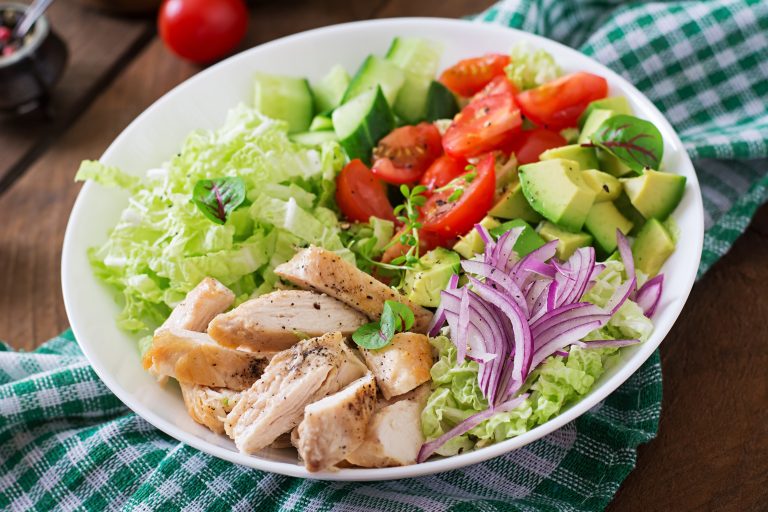
Vegetables are the foundation of the Mediterranean diet. By filling half your plate with colorful vegetables, you can enjoy generous portions without excess calories. Roasted peppers, leafy greens, tomatoes, and zucchini add volume and fiber that keep you satisfied while naturally controlling portions of higher-calorie foods.
2. Use the “Plate Method”
A simple visual trick is dividing your plate:
- ½ vegetables
- ¼ whole grains or legumes
- ¼ lean protein (fish, poultry, or beans)
This balance ensures you get all essential nutrients without oversized servings of carbs or protein.
3. Focus on Healthy Fats—But Don’t Overdo Them
Olive oil, nuts, and avocados are staples in the Mediterranean diet and provide heart-healthy fats. However, they are calorie-dense, so moderation matters. For example, drizzle one to two tablespoons of olive oil on a salad instead of pouring freely, or enjoy a small handful of nuts rather than eating straight from the bag.
4. Savor Meals Slowly
In Mediterranean cultures, meals are often shared with family and friends, encouraging slower, mindful eating. Taking time to chew and enjoy each bite gives your body time to signal fullness, making it easier to avoid overeating. Aim for at least 20 minutes per meal to let satiety hormones do their job.
5. Use Smaller Plates and Bowls
A simple but effective tip is to serve meals on smaller plates. This creates the visual impression of a fuller plate while helping you naturally reduce portion sizes of calorie-dense foods like pasta or cheese.
6. Make Fruit Your Dessert
Instead of rich pastries or heavy sweets, end meals with a small portion of seasonal fruit. Fresh figs, oranges, or berries satisfy your sweet tooth while keeping portions light and nutrient-packed.
7. Listen to Your Body
The Mediterranean diet encourages eating when hungry and stopping when satisfied—not stuffed. Paying attention to hunger and fullness cues is one of the best long-term strategies for portion control.
The Bottom Line
Portion control in the Mediterranean diet isn’t about restriction—it’s about balance. By emphasizing vegetables, healthy fats, whole grains, and mindful eating, you can enjoy flavorful meals while maintaining a healthy weight and supporting overall wellness.

Recent Comments