

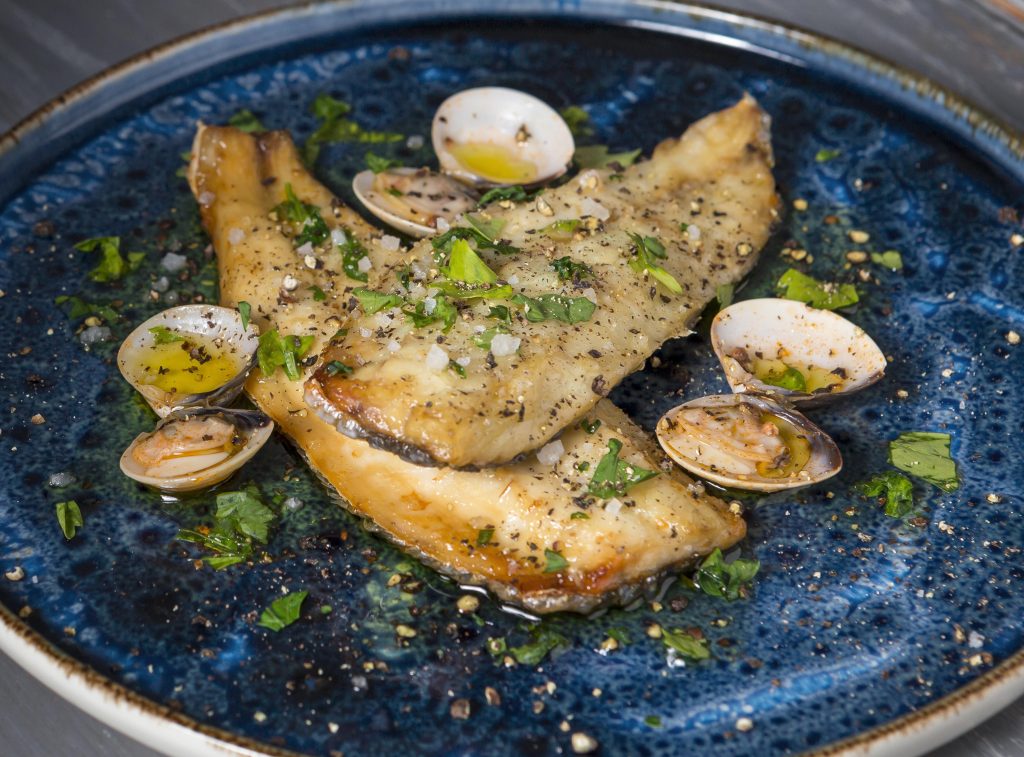

The Mediterranean diet can help lower LDL (“bad”) cholesterol and improve your overall cholesterol profile. It works mainly by replacing saturated fats (butter, fatty and processed meats) with unsaturated fats from olive oil, nuts and fish, and by adding plenty of soluble fiber from oats, beans, lentils, vegetables and fruit. Here are five practical ways to use the diet to improve your cholesterol, plus foods to focus on and a sample day.
If you have high cholesterol, keep taking any prescribed medication and work with your doctor on your targets.
1. Swap saturated fats for olive oil and nuts
Saturated fat raises LDL cholesterol more than any other part of the diet. Use extra virgin olive oil instead of butter, cream and lard, and snack on unsalted nuts instead of chips or biscuits. Replacing saturated fat with unsaturated fat is one of the most consistent dietary ways to lower LDL. Read more about olive oil on the Mediterranean diet.
2. Eat more soluble fiber every day
Soluble fiber forms a gel in the gut that helps carry cholesterol out of the body. Aim to include several of these daily:
- Oats and barley (beta-glucan)
- Beans, chickpeas and lentils
- Apples, citrus fruit, pears and berries
- Eggplant, okra, carrots and Brussels sprouts
- Chia and ground flaxseed
3. Choose fish and legumes over red and processed meat
Have fish at least twice a week and make legumes a regular main protein. Keep red meat to small, occasional portions and processed meats like bacon, salami and sausages to a minimum. See our guide to the best fish for the Mediterranean diet.
4. Eat a handful of nuts most days
Around 30 g of nuts a day, about a small handful of almonds, walnuts or pistachios, is a common Mediterranean habit and is linked with better blood lipid levels. Choose unsalted nuts and keep portions moderate, since nuts are calorie-dense.
5. Cut back on refined carbs and sugar
Refined carbohydrates and added sugar can raise triglycerides and lower HDL (“good”) cholesterol. Choose whole grains, keep sweets and sugary drinks occasional, and fill half your plate with vegetables.
Foods to eat more of, and less of
| Eat more | Eat less |
|---|---|
| Extra virgin olive oil | Butter, cream, lard, coconut oil |
| Oats, barley, whole grains | White bread, pastries, sugary cereals |
| Beans, lentils, chickpeas | Processed meats |
| Oily fish | Fatty red meat |
| Nuts and seeds | Chips, fried snacks, biscuits |
| Vegetables and fruit | Sugary drinks and desserts |
| Plain yogurt | Full-fat cheese in large amounts |
A cholesterol-friendly Mediterranean day
- Breakfast: porridge oats with grated apple, cinnamon and walnuts.
- Lunch: chickpea, tomato, cucumber and parsley salad with olive oil and lemon, plus whole-grain pita.
- Snack: an orange and a small handful of almonds.
- Dinner: grilled mackerel or salmon, roasted eggplant and peppers, and barley.
How long does it take to see results?
Diet changes can start lowering LDL cholesterol within a few weeks, and many people see clear changes on a blood test after about 6 to 12 weeks. Ask your doctor when to recheck your levels.
Beyond food
Regular exercise, a healthy weight, not smoking and limiting alcohol all improve cholesterol and heart health. See also the Mediterranean diet and heart health and the Mediterranean diet for high blood pressure.
Frequently asked questions
Are eggs OK if I have high cholesterol?
Many people can include eggs in moderation, but if your LDL is high your doctor may suggest limiting yolks. Read our guide on eggs on the Mediterranean diet.
Is cheese allowed on a cholesterol-lowering Mediterranean diet?
Yes, in small amounts. Choose flavorful cheeses like feta or parmesan and use them as a topping rather than a main ingredient.
Can diet replace statins?
For some people diet changes are enough; others still need medication. Never stop or change medication without your doctor.

Recent Comments