



Yes, the Mediterranean diet is one of the best-studied eating patterns for people with type 2 diabetes and for people at risk of it. It is rich in fiber, healthy fats and minimally processed foods, which helps keep blood sugar steadier, supports a healthy weight and protects the heart, an important point since diabetes raises cardiovascular risk. Major diabetes and heart organizations list it as a recommended eating pattern.
If you have diabetes, work with your doctor or a diabetes educator before changing your diet, especially if you take insulin or medications that can cause low blood sugar.
Why the Mediterranean diet works well for diabetes
- High-fiber carbohydrates: legumes, vegetables and whole grains release glucose more slowly than refined carbohydrates.
- Healthy fats: olive oil, nuts and fish help with satiety and support heart health.
- Fewer ultra-processed foods and sugary drinks, which drive blood sugar spikes.
- Weight management: a filling, whole-food pattern can support gradual weight loss, which improves insulin sensitivity.
- Heart protection: the diet’s cardiovascular benefits matter because heart disease is a leading complication of diabetes.
What the research shows
In a randomized trial in Italy of people newly diagnosed with type 2 diabetes, those who followed a lower-carbohydrate Mediterranean-style diet were less likely to need diabetes medication over four years than those on a low-fat diet, and they had better weight loss and blood sugar control. Analyses from the PREDIMED trial also found a lower rate of new type 2 diabetes in people following a Mediterranean diet supplemented with olive oil, without calorie restriction.
Building a diabetes-friendly Mediterranean plate
| Part of the plate | What to put there |
|---|---|
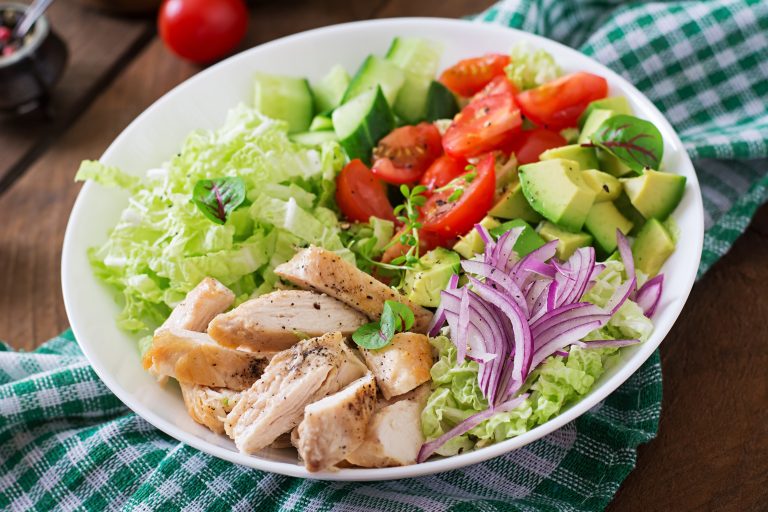
| Half the plate | Non-starchy vegetables: leafy greens, tomatoes, peppers, zucchini, eggplant, broccoli |
| A quarter | Protein: fish, chicken, eggs, tofu, Greek yogurt, or legumes |
| A quarter | High-fiber carbohydrates: lentils, chickpeas, bulgur, barley, quinoa, whole-grain bread |
| Add | Extra virgin olive oil, a handful of nuts, herbs and spices |
Carbohydrates: the best choices
- Legumes: lentils, chickpeas and beans are rich in fiber and protein and have a gentle effect on blood sugar.
- Intact whole grains: barley, bulgur, farro, steel-cut oats and quinoa.
- Whole fruit instead of juice: berries, apples, pears, oranges and cherries, paired with nuts or yogurt.
- Pasta, if you eat it, cooked al dente in a modest portion with vegetables and protein.
Foods to limit
- Sugary drinks, fruit juice and sweetened coffees
- White bread, pastries and sweet breakfast cereals
- Large portions of white rice, potatoes and pasta
- Sweets and desserts (keep for occasions)
- Processed meats
- Alcohol: discuss with your doctor, since it can affect blood sugar
A sample diabetes-friendly Mediterranean day
- Breakfast: plain Greek yogurt with berries, walnuts and cinnamon, or a vegetable omelette with whole-grain toast.
- Lunch: lentil salad with roasted peppers, cucumber, feta, herbs and olive oil.
- Snack: an apple with a small handful of almonds.
- Dinner: grilled fish with a large Greek salad and a small portion of bulgur or barley.
Practical tips
- Pair carbohydrates with protein, fiber or healthy fat to soften blood sugar rises.
- Keep consistent meal times if you take medication that can cause low blood sugar.
- A 10 to 15 minute walk after meals can help lower post-meal glucose.
- Check your blood sugar as advised to see how specific meals affect you.
Related guides: how to lose weight on the Mediterranean diet, heart health and our Mediterranean diet food list.
Frequently asked questions
Can I eat fruit if I have diabetes?
Yes. Whole fruit provides fiber and nutrients. Choose whole fruit over juice, watch portions, and pair it with nuts or yogurt.
Is the Mediterranean diet low-carb?
Not strictly. It includes carbohydrates, mostly high-fiber ones. Some people with diabetes do well with a lower-carbohydrate version, which you can plan with your healthcare team.
Can the Mediterranean diet reverse type 2 diabetes?
Some people achieve normal blood sugar levels with weight loss and lifestyle changes, but results vary. Do not stop or change medication without medical advice.
Sources
- Esposito K. et al. (2009). Effects of a Mediterranean-Style Diet on the Need for Antihyperglycemic Drug Therapy in Patients With Newly Diagnosed Type 2 Diabetes. Annals of Internal Medicine.
- Estruch R. et al. (2018). Primary Prevention of Cardiovascular Disease with a Mediterranean Diet Supplemented with Extra-Virgin Olive Oil or Nuts. New England Journal of Medicine.
- Harvard T.H. Chan School of Public Health: Diet Review, Mediterranean Diet
- Mayo Clinic: Mediterranean diet for heart health

Recent Comments