

Ever wondered why Mediterranean food tastes so fresh, vibrant, and satisfying—without relying on heavy sauces or too much salt? 🌿✨
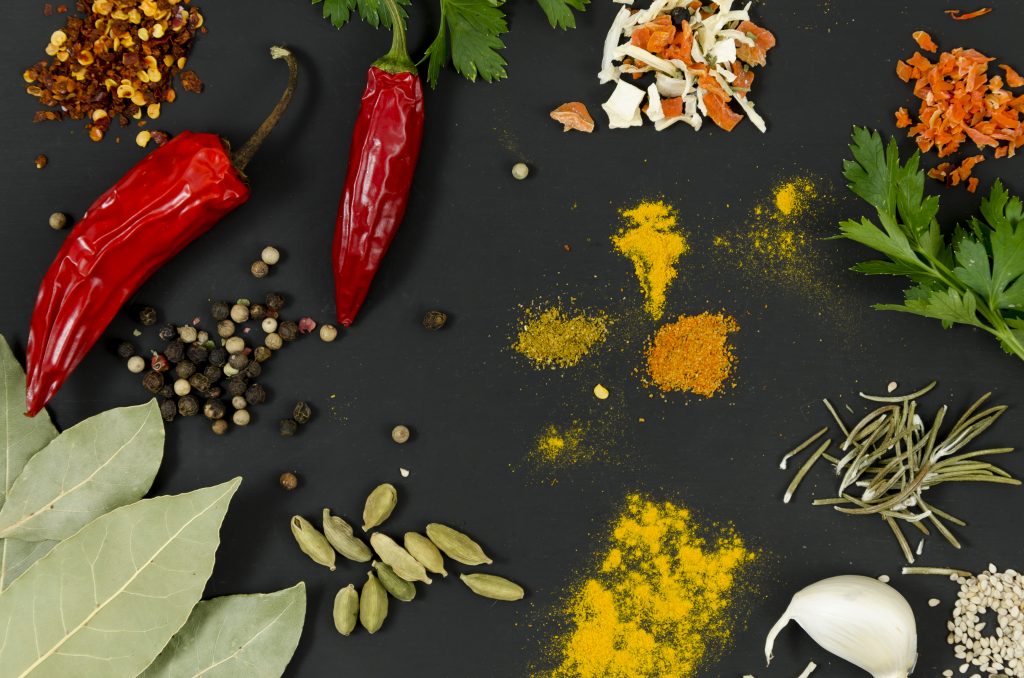
Here’s the secret: herbs and spices.
If you’re just starting the Mediterranean Diet, this is one of the easiest (and most exciting!) ways to upgrade your meals. You don’t need complicated recipes—just the right combination of natural flavors.
Let’s explore the most commonly used herbs and spices in the Mediterranean Diet and how you can start using them today 👇
Why Herbs & Spices Matter 🌱
The Mediterranean Diet is all about simple, whole foods. Instead of processed flavorings, it uses herbs and spices to bring dishes to life.
They don’t just make food taste amazing—they also:
- Reduce the need for excess salt 🧂
- Add antioxidants and nutrients 💪
- Make healthy meals more enjoyable 😋
1. Basil 🌿
Fresh, slightly sweet, and ароматic—basil is a staple in Mediterranean cooking.
How to use it: Add it to salads, pasta, or tomato dishes. Even a simple tomato + olive oil + basil combo tastes incredible!
2. Oregano 🌱
This bold, earthy herb is used in many classic dishes.
How to use it: Sprinkle it on grilled vegetables, chicken, or homemade sauces for that authentic Mediterranean flavor.
3. Rosemary 🌿
Strong and fragrant, rosemary adds depth to meals.
How to use it: Perfect for roasted potatoes, chicken, or fish. A little goes a long way!
4. Thyme 🌾
Mild yet flavorful, thyme blends well with many ingredients.
How to use it: Add it to soups, stews, or sautéed vegetables for a warm, comforting taste.
5. Garlic 🧄
Not exactly a herb, but definitely a must-have! Garlic is used in almost every Mediterranean dish.
How to use it: Sauté it with olive oil as a base for sauces, veggies, or meats.
6. Parsley 🌿
Fresh and slightly peppery, parsley brightens any dish.
How to use it: Sprinkle it over salads, grilled fish, or roasted veggies for a fresh finish.
7. Cumin & Paprika 🌶️
These spices add warmth and depth, especially in Middle Eastern and North African Mediterranean dishes.
How to use them: Great for seasoning chickpeas, lentils, or grilled meats.
Keep It Simple & Flavorful 💡
You don’t need all these at once. Start with 2–3 herbs you like and experiment. The goal is to make your meals healthier AND more enjoyable.
Final Thoughts 🌞
The Mediterranean Diet isn’t about restriction—it’s about flavor, balance, and enjoying real food.
By using these common herbs and spices, you can transform simple ingredients into delicious, satisfying meals without extra calories or processed ingredients 💛
Start small. Sprinkle a little basil here, add some garlic there—and watch your meals come alive 🌿🍽️

Recent Comments