

Craving a snack but don’t want to ruin your healthy goals? Good news—you don’t have to! The Mediterranean Diet makes snacking both delicious and nutritious 🥜✨
If you’re just starting out, you might be wondering: what are the best snacks on the Mediterranean Diet? The answer is simple—whole, natural foods that keep you full, energized, and satisfied.
Let’s explore some easy, beginner-friendly snack ideas you’ll actually enjoy 👇
Why Mediterranean Snacks Are Different 🧠
Unlike processed snacks loaded with sugar and unhealthy fats, Mediterranean snacks focus on real food—think fiber, healthy fats, and natural sweetness. These help control cravings, support heart health, and keep your energy steady throughout the day ⚡
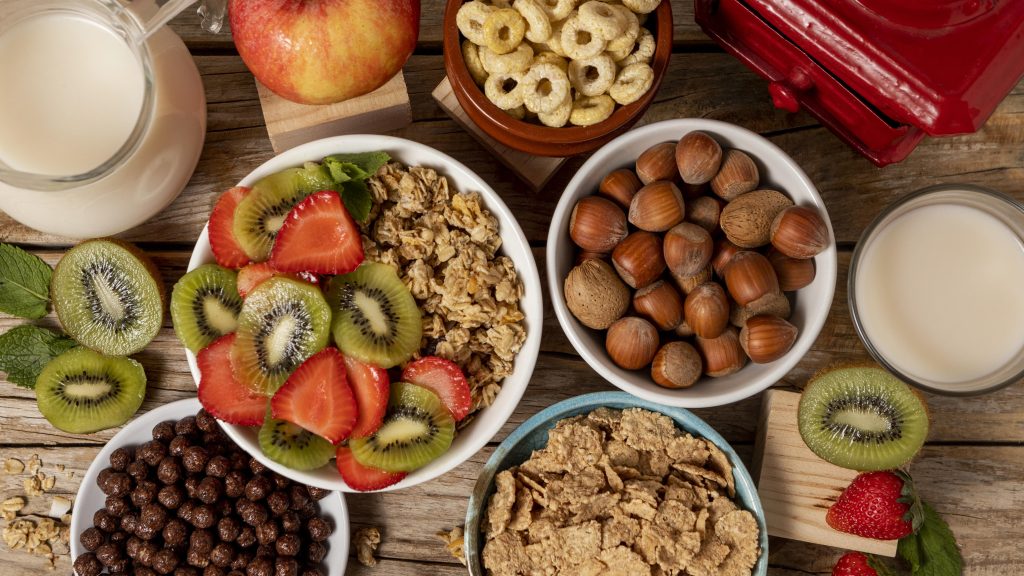
1. Nuts & Seeds 🥜
Almonds, walnuts, pistachios, and sunflower seeds are staples. They’re packed with healthy fats, protein, and fiber.
Easy tip: Grab a small handful when you’re hungry. Just keep portions in check since they’re calorie-dense.
2. Fresh Fruits 🍎🍇
Nature’s candy! Apples, oranges, grapes, berries, and figs are naturally sweet and full of vitamins.
Easy tip: Pair fruit with a few nuts for a more filling snack.
3. Greek Yogurt with Honey 🍯
Creamy, protein-rich, and satisfying—Greek yogurt is a Mediterranean favorite.
Easy tip: Add a drizzle of honey and some fresh fruit for a naturally sweet treat.
4. Hummus with Veggies 🥕
Hummus (made from chickpeas) is rich in fiber and plant-based protein.
Easy tip: Dip carrots, cucumbers, or bell peppers into hummus for a crunchy, satisfying snack.
5. Whole Grain Crackers with Cheese 🧀
Skip refined carbs and go for whole grain options paired with a slice of cheese.
Easy tip: Choose simple, minimally processed crackers and enjoy with feta or a small portion of cheese.
6. Olives 🫒
A classic Mediterranean snack! Olives are rich in healthy fats and bursting with flavor.
Easy tip: Keep a small bowl handy—they’re perfect when you want something savory.
7. Dark Chocolate 🍫
Yes, you can still enjoy chocolate! Just go for dark chocolate with high cocoa content.
Easy tip: A small piece after a meal can satisfy your sweet tooth without overdoing it.
Snack Smart, Not Less 💡
The goal isn’t to stop snacking—it’s to snack better. Mediterranean Diet snacks are designed to nourish your body, not leave you feeling guilty.
By choosing whole, balanced options, you’ll:
- Stay fuller longer ✅
- Avoid energy crashes ⚡
- Support heart health ❤️
Final Thoughts 🌞
Healthy snacking doesn’t have to be boring or restrictive. With these Mediterranean Diet snack ideas, you can enjoy every bite while still taking care of your body.
Start simple—swap one processed snack for a healthier option today. Over time, these small changes can lead to big results 💛
Because in the Mediterranean lifestyle, eating well isn’t about deprivation—it’s about enjoying real food, every single day 🍽️✨

Recent Comments