

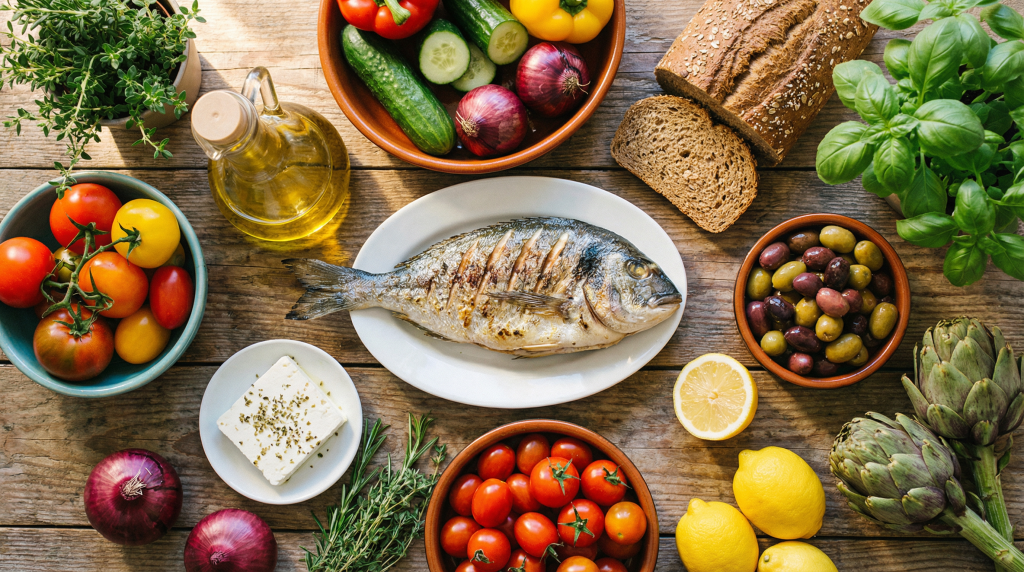

The Ultimate Guide to the Mediterranean Diet: A Comprehensive, Expert Overview for Beginners
—
Introduction
The Mediterranean Diet has captured the world’s attention as one of the most delicious, sustainable, and health-promoting eating patterns available. Rooted in the traditional foods and habits of countries surrounding the Mediterranean Sea, this diet is more than just a way of eating—it’s a lifestyle that supports longevity, chronic disease prevention, and overall well-being.
Whether you’re looking to improve your heart health, manage weight, or simply enjoy vibrant, nutrient-rich meals, this guide will provide everything you need to embark on your Mediterranean Diet journey with confidence. From core principles to a detailed 7-day meal plan, and practical tips for adopting the Mediterranean lifestyle, you’ll gain expert insights that empower lasting, positive change.
—
What is the Mediterranean Diet?
The Mediterranean Diet is a nutritional pattern inspired by the traditional dietary habits of people living in countries bordering the Mediterranean Sea—such as Greece, Italy, Spain, and southern France. Unlike rigid diet programs, it emphasizes whole, minimally processed foods and a balanced approach to eating that celebrates pleasure and social connection.
Origins and Cultural Background
Studies of Mediterranean populations in the mid-20th century, most notably by American scientist Ancel Keys, revealed remarkably low rates of chronic diseases such as heart disease and obesity despite moderate fat intake. Researchers identified the consumption of olive oil, fresh fruits and vegetables, legumes, whole grains, nuts, fish, and moderate wine intake as hallmarks of this pattern.
This diet isn’t just about food choices; it reflects a cultural emphasis on fresh, seasonal ingredients, mindful eating, enjoying meals with family and friends, and an active lifestyle.
—
Core Principles of the Mediterranean Diet
Understanding the core principles will help you adopt the diet in a flexible, sustainable way.
1. Focus on Plant-Based Foods
The bulk of your meals should revolve around vegetables, fruits, whole grains, legumes (beans, lentils), nuts, and seeds. These foods provide fiber, vitamins, minerals, and antioxidants.
2. Prioritize Healthy Fats
Unlike low-fat diets, the Mediterranean Diet embraces fat, but primarily from healthy sources—extra virgin olive oil is the main fat, supplemented by nuts, avocados, and fatty fish. These fats support heart and brain health.
3. Eat Moderate Amounts of Fish and Seafood
Fish rich in omega-3 fatty acids such as salmon, sardines, and mackerel should be consumed regularly—at least twice a week.
4. Moderate Dairy Intake
Cheese and yogurt are commonly eaten in small to moderate amounts, favoring fermented products like Greek yogurt.
5. Limit Red Meat and Processed Meats
Red meat is consumed sparingly, perhaps a few times per month, with an emphasis on lean cuts. Processed meats like sausages and deli meats are best limited or avoided.
6. Enjoy Poultry and Eggs in Moderation
Chicken, turkey, and eggs are healthy protein sources to incorporate moderately.
7. Consume Wine Responsibly
Moderate wine consumption—typically a small glass with meals—is common, but only for those who choose to drink and have no contraindications.
8. Embrace Physical Activity and Social Meals
The Mediterranean lifestyle promotes regular physical exercise and sharing meals with others, which enhances digestion and psychological well-being.
—
Science-Backed Health Benefits
Extensive research has solidified the Mediterranean Diet as a gold standard for healthful eating. Here’s a summary of key benefits supported by scientific studies:
Cardiovascular Health
– Reduced Risk of Heart Disease: The Mediterranean Diet has been consistently linked to lower rates of coronary artery disease, heart attacks, and stroke. The PREDIMED study (a landmark randomized trial) showed a 30% reduction in cardiovascular events with a Mediterranean eating pattern.
– Improved Blood Lipids: Healthy fats improve HDL (“good” cholesterol) and reduce LDL (“bad” cholesterol).
Weight Management
– The diet’s emphasis on whole foods and controlled portions can promote healthy weight loss or maintenance, largely due to increased satiety from fiber and fats.
Diabetes and Blood Sugar Control
– The low glycemic load and fiber-rich foods help improve insulin sensitivity and blood sugar regulation, reducing the risk of type 2 diabetes or aiding in its management.
Brain Health
– Rich in antioxidants and omega-3 fats, the diet supports cognitive function and may reduce the risk of neurodegenerative diseases like Alzheimer’s.
Cancer Prevention
– Antioxidants from fruits, vegetables, and olive oil have protective effects, potentially lowering the risk of certain cancers.
Longevity
– Populations adhering to the Mediterranean Diet demonstrate increased life expectancy and healthier aging.
—
Mediterranean Diet Foods to Eat
Here’s a categorized list to help you identify Mediterranean Diet staples with suggested portion guidelines.
Vegetables
– Tomatoes, leafy greens (spinach, kale, arugula), eggplants, zucchini, bell peppers, cucumbers, onions, asparagus, artichokes, broccoli.
– Aim for at least 4 servings per day.
Fruits
– Berries, oranges, apples, grapes, figs, melons, pomegranates, peaches.
– Enjoy 2–3 servings daily, ideally fresh and seasonal.
Whole Grains
– Brown rice, barley, farro, bulgur, whole wheat, oats, cornmeal.
– Use as a daily carbohydrate source.
Legumes
– Lentils, chickpeas, black beans, cannellini beans, fava beans.
– Include at least 3–4 times per week.
Nuts and Seeds
– Almonds, walnuts, pistachios, pine nuts, sunflower seeds.
– A small handful daily (about 1 ounce).
Healthy Fats
– Extra virgin olive oil (primary fat for cooking and dressing).
– Avocados (consume in moderation as a fat source).
Fish and Seafood
– Salmon, sardines, mackerel, anchovies, trout, shellfish.
– At least twice weekly.
Poultry and Eggs
– Chicken, turkey, eggs (up to 4–7 per week).
Dairy (Moderate amounts)
– Greek yogurt, small amounts of cheese (feta, parmesan, mozzarella).
Herbs and Spices
– Garlic, rosemary, basil, oregano, thyme, parsley, cumin.
– Used liberally for flavor instead of salt.
Wine (Optional)
– Moderate intake: one 5-ounce glass per day for women, up to two for men.
—
Foods to Limit or Avoid
To keep your Mediterranean Diet healthful and authentic, it’s important to reduce or avoid:
Red and Processed Meats
– Limit beef, pork, lamb to a few times monthly.
– Avoid sausages, bacon, deli meats.
Refined Grains and Sugars
– White bread, pasta, pastries, sugary beverages, sweets should be minimal.
Highly Processed Foods
– Fast food, chips, processed snacks, and ready-made meals.
Excessive Salt
– Use herbs and lemon instead.
Unhealthy Fats
– Avoid trans fats and limit butter; replace with olive oil.
—
A Sample 7-Day Mediterranean Diet Meal Plan
Below is a balanced, beginner-friendly meal plan illustrating how to incorporate Mediterranean principles into daily meals.
Day 1
– Breakfast: Greek yogurt with honey, walnuts, and fresh berries.
– Lunch: Quinoa salad with chickpeas, tomatoes, cucumbers, olives, feta, and lemon-olive oil dressing.
– Snack: An apple and a handful of almonds.
– Dinner: Grilled salmon with roasted asparagus and brown rice.
– Beverage: Water and optional glass of red wine.
Day 2
– Breakfast: Whole-grain toast with smashed avocado and a poached egg.
– Lunch: Lentil soup with carrots and herbs, side salad with olive oil dressing.
– Snack: Carrot sticks with hummus.
– Dinner: Chicken sautéed with tomatoes, olives, garlic, and spinach.
– Beverage: Herbal tea or water.
Day 3
– Breakfast: Oatmeal topped with sliced figs and walnuts.
– Lunch: Whole wheat pita stuffed with grilled veggies and tzatziki sauce.
– Snack: Fresh orange slices.
– Dinner: Spaghetti with fresh tomato sauce, garlic, olive oil, and basil; side of steamed broccoli.
– Beverage: Water.
Day 4
– Breakfast: Smoothie with spinach, banana, Greek yogurt, and flax seeds.
– Lunch: Mediterranean tuna salad with beans, celery, and parsley.
– Snack: A handful of pistachios.
– Dinner: Baked eggplant with tomato sauce and a sprinkle of parmesan cheese.
– Beverage: Water or optional wine.
Day 5
– Breakfast: Cottage cheese with pineapple chunks and chia seeds.
– Lunch: Farro salad with roasted peppers, zucchini, and chickpeas.
– Snack: Fresh berries.
– Dinner: Grilled shrimp with garlic, olive oil, lemon, and a side of sautéed kale.
– Beverage: Water.
Day 6
– Breakfast: Whole-grain toast with almond butter and sliced banana.
– Lunch: Minestrone soup with beans, vegetables, and whole-grain pasta.
– Snack: Cucumber slices with tzatziki.
– Dinner: Roast chicken with rosemary, lemon, and garlic; side of roasted root vegetables.
– Beverage: Herbal tea.
Day 7
– Breakfast: Scrambled eggs with sautéed tomatoes and spinach.
– Lunch: Greek salad with cucumbers, tomatoes, olives, onions, and feta cheese.
– Snack: A small handful of walnuts.
– Dinner: Grilled mackerel with Mediterranean vegetables and a whole-grain roll.
– Beverage: Water or wine (if desired).
—
Practical Tips for Getting Started on the Mediterranean Diet
Transitioning to a new eating style can feel overwhelming, but with these expert tips, you’ll set yourself up for success.
1. Shop the Perimeter
Focus on fresh produce, fish, nuts, and dairy found around the edges of most grocery stores. Avoid processed foods in the center aisles.
2. Stock Your Pantry with Mediterranean Staples
Keep olive oil, whole grains, canned beans, nuts, herbs, and spices on hand for easy meal preparation.
3. Cook at Home More Often
Preparing your own meals allows you to control ingredients and enjoy the sensory experience of Mediterranean cooking.
4. Experiment with Herbs and Spices
Reduce salt by using garlic, basil, oregano, rosemary, and lemon juice to enhance flavor.
5. Incorporate More Plant-Based Meals
Try meatless dishes 2–3 times per week using legumes, grains, and vegetables as main ingredients.
6. Practice Portion Control
While healthy fats are good for you, they are calorie-dense. Use measured servings of nuts and olive oil.
7. Share Meals and Eat Mindfully
Sit down at a table, enjoy conversations, eat slowly, and relish your food—key elements of the Mediterranean lifestyle.
8. Hydrate with Water
Mediterranean cultures emphasize water as the main fluid; limit sugary drinks and drink wine responsibly if you choose.
9. Find Mediterranean-Inspired Recipes
Look for cookbooks or websites specializing in Mediterranean cuisine to gather ideas and inspiration.
10. Be Patient and Flexible
The diet is a lifelong approach, not a restrictive regimen. Adapt it to your tastes, preferences, and culture for lasting changes.
—
The Mediterranean Lifestyle: Beyond Food
The Mediterranean Diet is inseparable from the lifestyle habits that promote health.
Regular Physical Activity
– Walking, gardening, cycling, and swimming are common in Mediterranean cultures.
– Aim for at least 150 minutes of moderate aerobic activity weekly.
– Incorporate strength, balance, and flexibility exercises.
Social Connections and Meals
– Eating with family and friends fosters emotional well-being.
– Sharing meals encourages slower eating and mindfulness, improving digestion and satisfaction.
Rest and Stress Management
– Mediterranean lifestyles emphasize rest and relaxation—napping, enjoying leisure, and prioritizing sleep.
– Stress management through social support and active pastimes contributes to health.
—
Conclusion
The Mediterranean Diet is a delicious, flexible, and scientifically proven approach to healthy living. It goes beyond just eating to embrace a holistic lifestyle of balanced nutrition, social connection, physical activity, and enjoyment of food.
By understanding its core principles, incorporating Mediterranean foods, limiting harmful ingredients, and adopting lifestyle habits, you can embark on a sustainable journey toward improved health and vitality. Use the 7-day meal plan, shopping tips, and practical advice in this guide as a roadmap to a Mediterranean-inspired life that nourishes your body and soul.
—
Start today: choose a new plant-based recipe, take a walk, or invite someone to share a meal. Your Mediterranean journey awaits!
Recent Comments