
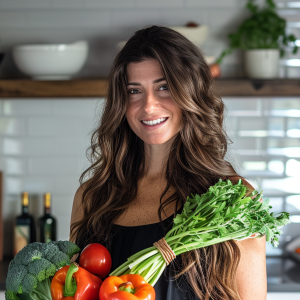


After weeks of holiday feasting, rich desserts, and disrupted routines, it’s normal to crave a reset 😅. But resetting doesn’t have to mean restriction or extreme dieting. The Mediterranean diet offers a gentle, sustainable way to transition back to healthy eating—without guilt, detoxes, or burnout 🫒🌿.
Here’s how to ease into the Mediterranean diet after the holidays and feel your best again.
🌱 Start With Addition, Not Subtraction
One of the biggest mistakes people make after the holidays is cutting everything out at once. The Mediterranean approach focuses on adding nourishing foods instead of obsessing over what to remove.
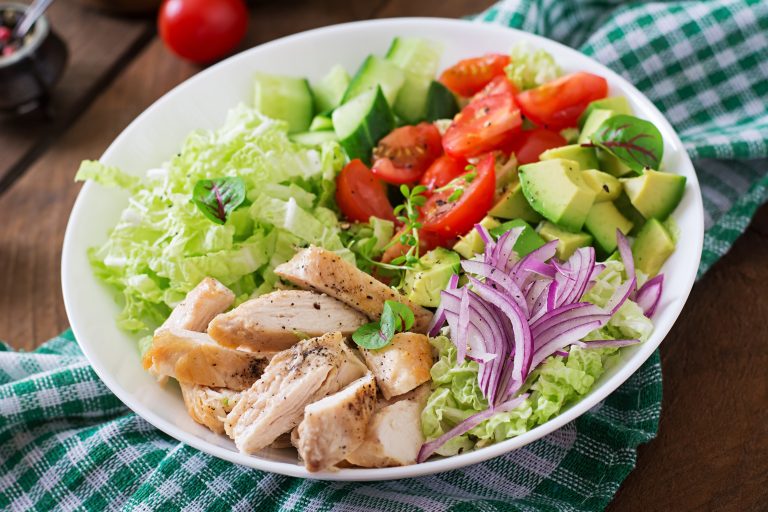
Begin by filling your plate with vegetables, fruits, legumes, whole grains, and healthy fats 🥗🍅. As these foods increase, ultra-processed holiday leftovers naturally take a back seat—no harsh rules required.
🫒 Make Olive Oil Your Kitchen Reset
If there’s one habit to change first, make it this: swap processed oils and butter-heavy cooking for extra virgin olive oil 🫒. Use it for roasting vegetables, dressing salads, and sautéing meals.
This simple shift boosts flavor and supports heart health, making your transition feel indulgent rather than restrictive.
🐟 Reintroduce Light, Nourishing Proteins
After heavy holiday meals, your body often craves lighter options. Focus on fish, poultry, eggs, legumes, and yogurt 🐟🥚. Fatty fish like salmon or sardines provide omega-3s that help reduce post-holiday inflammation.
You don’t have to eliminate red meat completely—just enjoy it less frequently and in smaller portions.
🍞 Choose Whole Grains Over Refined Carbs
The Mediterranean diet doesn’t eliminate carbs—it upgrades them. Replace white bread, pastries, and sugary snacks with whole grains like oats, farro, quinoa, or whole-grain bread 🍞🌾.
These foods stabilize blood sugar, improve digestion, and keep you feeling full and energized.
🥗 Keep Meals Simple and Comforting
Post-holiday eating should feel calming, not overwhelming. Simple Mediterranean meals—grain bowls, soups, salads, and roasted vegetables—are perfect for easing back into routine 🍲🥗.
Winter-friendly dishes like lentil soup, vegetable stews, and baked fish are comforting while still light and nourishing.
👨👩👧👦 Slow Down and Eat Mindfully
The Mediterranean lifestyle values how you eat as much as what you eat. Sit down for meals, eat slowly, and enjoy the experience ❤️. This helps digestion and prevents overeating after the holiday rush.
🌟 The Gentle Reset That Lasts
Transitioning to the Mediterranean diet after the holidays isn’t about punishment—it’s about balance, pleasure, and sustainability. By making small, intentional shifts, you create habits that support your health all year long 🫒🥗.
Forget the detox. Embrace the Mediterranean way—and move into the new season feeling nourished, not deprived.
Recent Comments