

One of the many benefits of following the Mediterranean diet is enjoying fresh, wholesome meals full of flavor and nutrition. But life gets busy, and cooking every day isn’t always realistic. That’s where leftovers come in handy! Storing Mediterranean diet leftovers properly not only saves time and reduces food waste, but it also helps you stay consistent with your healthy eating goals.
Here are some practical tips on how to store leftovers safely and deliciously within a Mediterranean-style kitchen.
1. Cool and Store Promptly
Always allow hot food to cool slightly (but not completely) before storing. Leaving food at room temperature for too long increases the risk of bacteria growth. Aim to refrigerate leftovers within 1–2 hours of cooking.
2. Use Airtight Containers
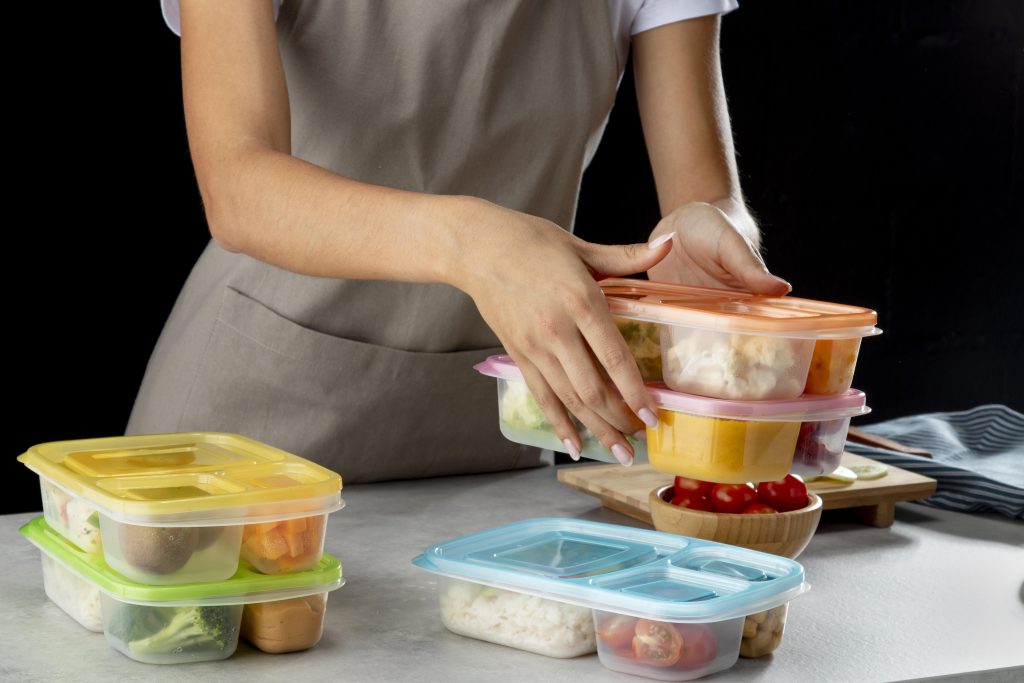
Choose BPA-free plastic or glass containers with tight-fitting lids to lock in freshness and prevent spills. Glass containers are particularly great because they don’t absorb odors or stains, and many are oven-safe for easy reheating.
3. Label and Date
It’s easy to forget how long something’s been in the fridge. Use masking tape or sticky labels to note the name of the dish and the date it was cooked. Most Mediterranean leftovers — like grilled vegetables, whole grains, legumes, and lean proteins — are good for 3–4 days in the fridge.
4. Portion Before Storing
If you cooked a large batch of a Mediterranean dish (like lentil soup or quinoa salad), portion it into individual containers. This makes it easier to grab a healthy meal on busy days and prevents overindulgence.
5. Freeze When Needed
Not going to eat those leftovers in time? Freeze them! Dishes like vegetable stews, bean soups, whole grain pilafs, and even grilled fish can be frozen for up to 2–3 months. Just be sure to cool them first and use freezer-safe containers or bags.
6. Store Dressings Separately
Mediterranean salads often include olive oil-based dressings or citrus vinaigrettes. Store dressings separately from leafy greens to prevent sogginess and maintain freshness.
7. Reheat Thoughtfully
Use the stovetop, oven, or microwave to reheat leftovers gently. Avoid overheating olive oil-based dishes, which can change their flavor or texture. A splash of water or broth can help rehydrate grains or stews.
8. Keep Fresh Herbs Separate
If your dish is topped with fresh herbs like basil or parsley, add those just before serving rather than storing them mixed in. Herbs tend to wilt quickly when refrigerated.
Final Thoughts
Storing leftovers the smart way supports your Mediterranean lifestyle and ensures you always have a healthy option within reach. With a little planning and the right tools, yesterday’s meals can become today’s quick, delicious solution.

Recent Comments