
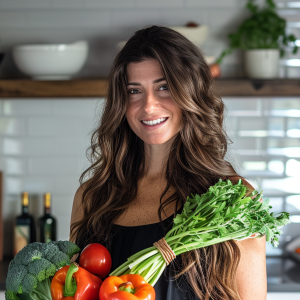


Starting the Mediterranean diet doesn’t mean tossing out everything in your pantry—it’s about making smart swaps and filling your kitchen with wholesome, flavorful foods. The beauty of this lifestyle is that it’s not restrictive but instead focuses on balance, fresh ingredients, and heart-healthy choices. To set yourself up for success, here’s a guide to stocking your kitchen the Mediterranean way. 🌿✨
1. Fill Up on Fresh Produce 🥦🍅
Fruits and vegetables are the foundation of the Mediterranean diet. Aim to keep your fridge colorful with:
- Leafy greens (spinach, kale, arugula)
- Tomatoes, cucumbers, zucchini, and peppers
- Seasonal fruits like berries, oranges, figs, and grapes
These foods are packed with fiber, vitamins, and antioxidants that support overall health.
2. Choose Whole Grains 🌾
Swap refined carbs for whole, nutrient-dense grains such as:
- Quinoa
- Brown rice
- Whole wheat bread or pasta
- Barley and bulgur
These grains help stabilize blood sugar and keep you feeling full longer.
3. Stock Up on Healthy Fats 🥑🍈
The Mediterranean diet is famous for its focus on healthy fats. Make sure to include:
- Extra virgin olive oil (a must-have for cooking and drizzling)
- Avocados
- Olives
- Nuts and seeds (almonds, walnuts, chia, flax)
These fats not only taste amazing but also protect your heart. ❤️
4. Keep Lean Proteins Handy 🐟🍗
Protein is an important part of every meal, but the Mediterranean diet emphasizes leaner sources:
- Fatty fish (salmon, tuna, sardines, mackerel)
- Skinless poultry
- Beans and lentils
- Eggs
Fish is recommended at least twice a week for its omega-3 benefits.
5. Flavor with Herbs and Spices 🌿🧄
Instead of relying on salt, Mediterranean cooking gets flavor from:
- Garlic and onions
- Fresh herbs like basil, parsley, dill, and oregano
- Spices such as cinnamon, cumin, and paprika
These not only elevate taste but also add powerful antioxidants.
6. Don’t Forget Dairy and Extras 🧀🍷
Dairy is enjoyed in moderation:
- Greek yogurt
- Cheese (feta, parmesan, ricotta)
And yes, a small glass of red wine 🍷 can be part of the lifestyle—always in moderation.
Final Bite 🍴💚
Stocking your kitchen for the Mediterranean diet is about filling your shelves with fresh, wholesome foods that are as tasty as they are nourishing. With the right ingredients at hand, cooking Mediterranean meals becomes simple, fun, and sustainable.
🌟 In short: If your kitchen is Mediterranean-ready, your health will be too! 🥗🐟🍇

Recent Comments