

Every New Year brings fresh motivation—and a lot of pressure. Eat clean. Be consistent. Don’t mess up. But the truth is, perfection is the fastest way to quit. One of the greatest strengths of the Mediterranean diet is that it was never meant to be perfect in the first place 🫒🥗.
If you’re looking for a realistic, sustainable New Year approach, the Mediterranean lifestyle is built exactly for that.
🌿 Progress Over Perfection (Always)
The Mediterranean diet isn’t a set of strict rules—it’s a pattern of eating over time. That means one indulgent meal, a skipped workout, or a week of leftovers doesn’t undo your progress 😌.
In Mediterranean cultures, food is enjoyed daily without guilt. Balance happens naturally across days and weeks, not meal by meal. This mindset alone makes long-term success far more achievable.
🫒 Focus on What You Add, Not What You Remove
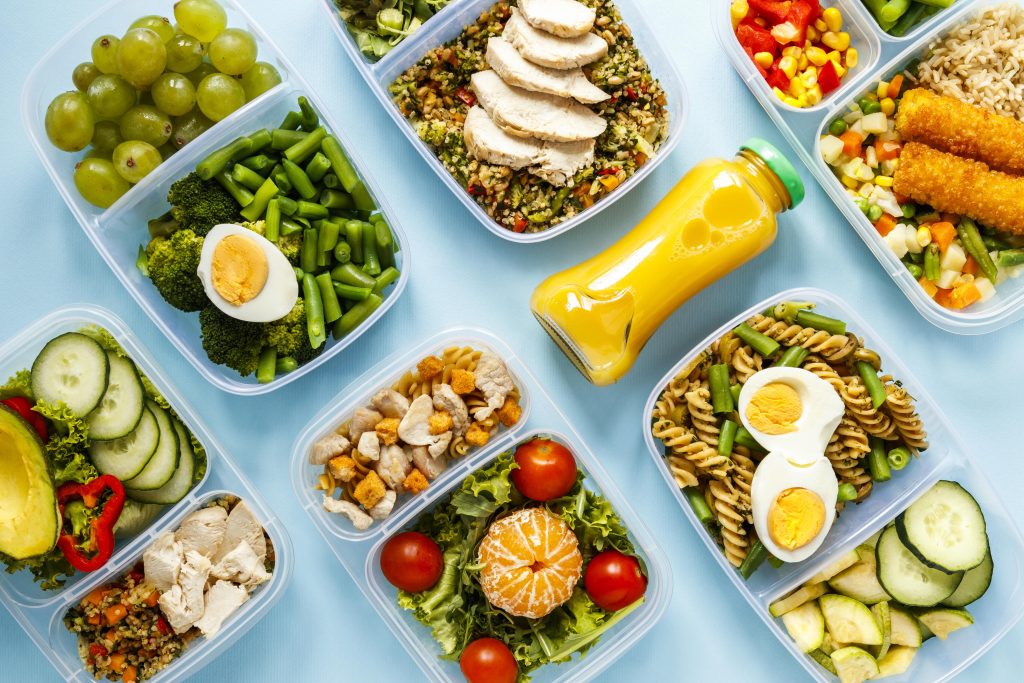
Instead of cutting everything out in January, the Mediterranean approach encourages you to add nourishing foods:
- More vegetables 🥦
- More fruits 🍊
- More legumes and whole grains 🌾
- More olive oil and healthy fats
As these foods take up more space on your plate, ultra-processed foods naturally fade without feeling forced.
🐟 Flexibility Is Part of the Plan
You don’t need to eat fish every day or cook a brand-new recipe for every meal. Leftovers, simple meals, and repeated dishes are all part of the Mediterranean way 🍲.
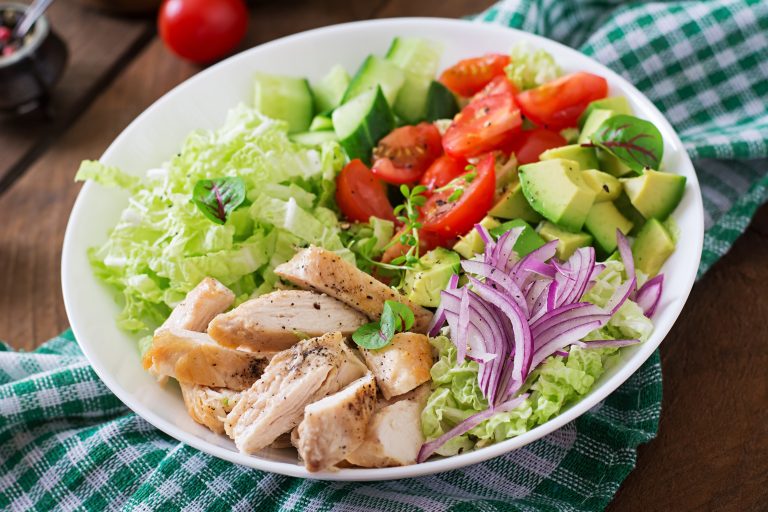
Some days might be plant-forward. Other days might include chicken, eggs, or fish. What matters is variety over time, not daily perfection.
🍞 Yes, You Can Enjoy Bread and Pasta
One reason people stick with the Mediterranean diet is that it doesn’t ban foods. Bread, pasta, cheese, and wine can all fit—in reasonable portions and with balance 🍞🧀.
This flexibility reduces cravings and helps heal the all-or-nothing mindset that derails many New Year goals.
👨👩👧👦 Life-Friendly, Not Instagram-Perfect
Real life includes busy schedules, family meals, eating out, and days when cooking feels like too much. The Mediterranean diet adapts to real life instead of fighting it ❤️.
Simple meals like eggs and vegetables, soup and bread, or leftovers with olive oil are just as “Mediterranean” as elaborate recipes.
🧠 A Healthier Relationship With Food
When perfection is removed, stress goes down—and consistency goes up. Many people find that the Mediterranean diet helps them rebuild trust with food, enjoy meals again, and stop overthinking every bite 😌.
🌟 A New Year That Actually Lasts
This January, aim for better—not perfect. Choose foods that nourish you, enjoy meals without guilt, and allow flexibility when life happens 🫒🥗.
The Mediterranean diet works because it fits into real life. And that’s exactly why it’s one of the healthiest ways to eat—not just for January, but for the whole year ahead 🌟.

Recent Comments