



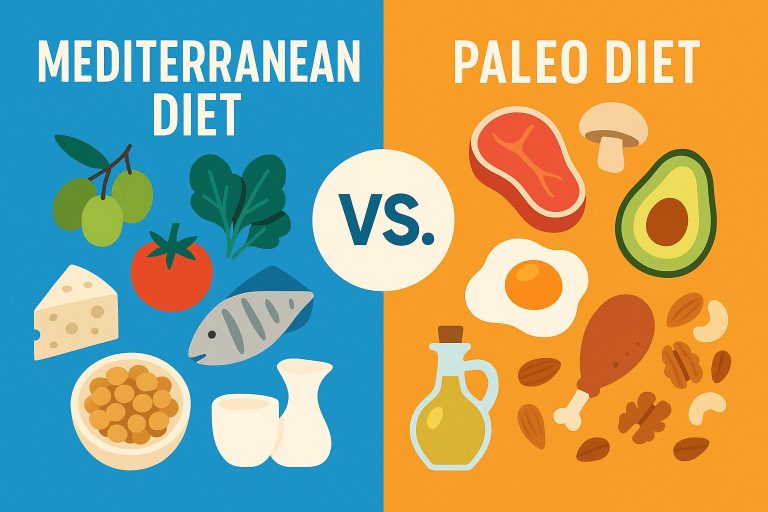
Stress is an inevitable part of life, but diet plays a crucial role in managing and reducing its impact. The Mediterranean diet, known for its emphasis on whole foods, healthy fats, and nutrient-rich ingredients, has been linked to improved mental well-being, including stress reduction. By incorporating key elements of this diet, individuals can better support their bodies and minds in coping with daily stressors.
Rich in Mood-Boosting Nutrients
The Mediterranean diet is packed with essential nutrients that help regulate mood and stress levels. Foods such as leafy greens, nuts, seeds, and fish contain high amounts of magnesium, which is known to support relaxation and reduce anxiety. Omega-3 fatty acids found in fatty fish like salmon and sardines have been shown to enhance brain function and lower stress-related inflammation.
Supports Gut Health and Mental Well-Being
A healthy gut is directly linked to a healthy mind. The Mediterranean diet promotes a balanced gut microbiome through the consumption of fiber-rich foods like whole grains, legumes, and fermented products such as yogurt. A diverse and thriving gut microbiome produces neurotransmitters like serotonin, which play a significant role in regulating mood and reducing stress.
Balances Blood Sugar Levels
Unstable blood sugar levels can contribute to mood swings and increased stress. The Mediterranean diet includes complex carbohydrates such as whole grains, beans, and vegetables, which provide steady energy throughout the day. These foods prevent sharp spikes and crashes in blood sugar, helping to maintain emotional stability and reduce feelings of irritability or anxiety.
Anti-Inflammatory Effects Reduce Stress
Chronic inflammation is often linked to higher stress levels and mental health issues. The Mediterranean diet is rich in anti-inflammatory foods, such as olive oil, nuts, and fresh fruits and vegetables, which help reduce inflammation in the body. Lower inflammation levels can lead to improved brain function and a greater ability to handle stress.
Encourages Mindful Eating and Lifestyle Balance
Beyond its nutritional benefits, the Mediterranean diet promotes a balanced lifestyle that includes social connections, regular physical activity, and mindful eating. Enjoying meals with family and friends, taking time to savor food, and engaging in outdoor activities all contribute to reducing stress and improving overall well-being.
Conclusion
The Mediterranean diet offers a holistic approach to stress management by providing essential nutrients, supporting gut health, stabilizing blood sugar levels, reducing inflammation, and encouraging a mindful lifestyle. By incorporating these principles into daily life, individuals can improve their ability to manage stress and enhance overall mental and physical health.


Recent Comments