

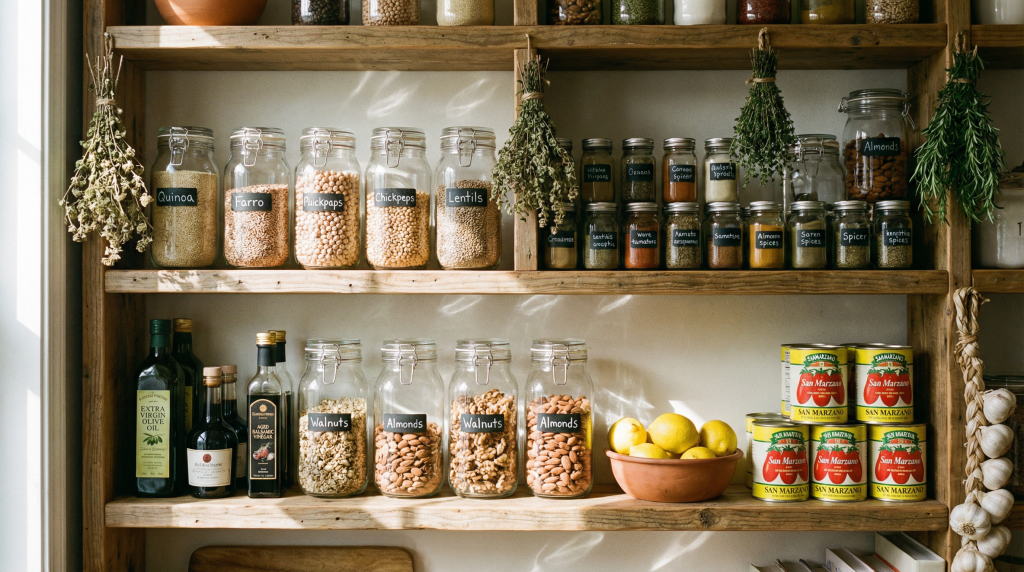

How to Stock Your Mediterranean Diet Pantry: The Essential Shopping List
Adopting the Mediterranean diet is one of the best choices you can make for your long-term health and culinary enjoyment. But to truly embrace this lifestyle, it’s crucial to have a well-stocked pantry filled with the right ingredients. A thoughtfully curated pantry not only saves time and reduces stress during meal prep but also ensures you’re always ready to whip up delicious, wholesome meals aligned with the Mediterranean way of eating.
If you’re new to this vibrant diet or looking to refine your grocery list, this comprehensive guide will walk you through the essentials. From pantry staples to fresh produce and protein sources, plus tips on organizing and budgeting, you’ll be fully equipped to create Mediterranean-inspired meals with ease. For a deeper dive, check out our Ultimate Guide to the Mediterranean Diet.
Why a Well-Stocked Pantry Matters for the Mediterranean Diet
The Mediterranean diet emphasizes whole, minimally processed foods, centered around plant-based ingredients, healthy fats, lean proteins, and fresh produce. Having these staples on hand means you can effortlessly prepare meals that nourish your body and delight your palate. A stocked pantry also helps you avoid last-minute trips to the store and reduces reliance on processed convenience foods.
Moreover, when your kitchen is filled with Mediterranean essentials, you’re more likely to stick with the diet’s principles, supporting your health goals. To learn more about the broad health benefits of this eating pattern, be sure to explore our detailed coverage.
Essential Pantry Staples for Your Mediterranean Kitchen
1. Olive Oil
Extra virgin olive oil is the heart of Mediterranean cooking. It’s a rich source of monounsaturated fats and antioxidants that promote heart health. Keep a high-quality bottle for dressings, sautéing, and finishing dishes.
2. Whole Grains
- Brown rice
- Quinoa
- Bulgur
- Farro
- Whole wheat pasta
Whole grains provide fiber, vitamins, and minerals, forming a satisfying base for many Mediterranean meals.
3. Legumes
- Chickpeas
- Lentils
- White beans
- Black beans
Legumes are excellent plant-based protein sources rich in fiber and nutrients.
4. Canned Tomatoes
Choose high-quality canned whole or crushed tomatoes without added salt or sugar. They’re perfect for sauces, stews, and soups.
5. Nuts and Seeds
- Almonds
- Walnuts
- Pistachios
- Chia seeds
- Flaxseeds
These offer healthy fats, protein, and crunch for snacks or meal toppings.
6. Herbs and Spices
- Dried oregano
- Basil
- Thyme
- Rosemary
- Cumin
- Smoked paprika
- Red pepper flakes
- Sea salt and freshly ground black pepper
Fresh or dried herbs and spices add authentic Mediterranean flavor without extra calories.
Fresh Produce Essentials
The Mediterranean diet thrives on fresh fruits and vegetables. Stocking your fridge with a colorful variety ensures nutrient diversity and keeps meals vibrant.
- Leafy greens (spinach, arugula, kale)
- Tomatoes (cherry, Roma, heirloom)
- Cucumbers
- Bell peppers
- Eggplants
- Zucchini
- Onions and garlic
- Citrus fruits (lemons, oranges)
- Berries (strawberries, blueberries)
- Apples and pears
Fresh herbs like parsley, mint, and dill are also prized for their aromatic qualities and health benefits.
Protein Sources: Fish, Poultry, and Eggs
Protein is a key component of the Mediterranean diet, with an emphasis on fish and seafood several times a week, moderate poultry consumption, and occasional eggs.
- Fatty fish: Salmon, mackerel, sardines, and anchovies provide heart-healthy omega-3 fatty acids.
- Lean poultry: Chicken and turkey are great alternatives when you want white meat.
- Eggs: A versatile and nutrient-dense option for various meals.
For meal inspiration, visit our Mediterranean Meal Planning Guide to see how these proteins fit into a balanced weekly menu.
Dairy Alternatives: Greek Yogurt, Feta, and Parmesan
Dairy in the Mediterranean diet is consumed in moderation and typically includes fermented products rich in probiotics and flavor.
- Greek yogurt: High in protein and great for breakfast or snacks.
- Feta cheese: Adds a salty tang to salads and roasted vegetables.
- Parmesan cheese: Perfect for grating over pasta and grains, providing umami depth.
Opt for full-fat versions where possible, as these tend to be more satisfying and align with traditional Mediterranean eating.
Practical Shopping Tips for Mediterranean Diet Success
- Shop the perimeter: Focus on fresh produce, seafood, dairy, and meats found along the store edges.
- Choose whole foods: Avoid heavily processed or packaged items.
- Buy in bulk: Store whole grains, legumes, nuts, and seeds in airtight containers to save money and reduce waste.
- Seasonal and local: Select fruits and vegetables that are in season and locally sourced for better flavor and cost-effectiveness.
- Read labels: When purchasing canned or jarred items, look for minimal ingredients and no added sugars or preservatives.
- Plan meals: Use a weekly meal plan to create your shopping list, helping reduce impulse buys and food waste. See our Meal Planning Guide for ideas.
Sample Mediterranean Diet Shopping List
Oils & Fats
- Extra virgin olive oil
- Olives (green and black)
Grains & Legumes
- Brown rice
- Quinoa
- Bulgur
- Whole wheat pasta
- Chickpeas (dried or canned)
- Lentils (green or red)
- White beans
Canned & Jarred Goods
- Canned whole tomatoes
- Capers
- Sun-dried tomatoes
Nuts & Seeds
- Almonds
- Walnuts
- Chia seeds
- Flaxseeds
Herbs & Spices
- Dried oregano
- Basil
- Rosemary
- Thyme
- Smoked paprika
- Sea salt & black pepper
Fresh Produce
- Spinach
- Arugula
- Tomatoes
- Cucumbers
- Bell peppers
- Eggplants
- Zucchini
- Onions
- Garlic
- Lemons
- Oranges
- Fresh herbs (parsley, dill, mint)
Protein
- Salmon fillets
- Fresh sardines or mackerel
- Chicken breasts or thighs
- Eggs
Dairy
- Greek yogurt (full-fat)
- Feta cheese
- Parmesan cheese
How to Organize Your Mediterranean Pantry
Creating an organized pantry makes cooking easier and helps prevent food waste. Here are some tips to keep your Mediterranean staples tidy and accessible:
- Group items by category: Store oils, grains, legumes, canned goods, nuts, and spices separately for easy navigation.
- Use clear containers: Transfer grains, nuts, and seeds into airtight, transparent jars or canisters to keep them fresh and visible.
- Label everything: Include purchase or expiration dates to track freshness.
- Store herbs and spices in a cool, dark place: Away from heat and sunlight to preserve their flavor.
- Keep fresh produce in designated fridge drawers: Use breathable bags or containers to prolong shelf life.
- Rotate stock: Use older items first to minimize spoilage.
Budget-Friendly Tips for Stocking Your Mediterranean Pantry
Eating Mediterranean doesn’t have to break the bank. Here are some strategies to keep your pantry budget-friendly while maintaining quality:
- Buy seasonal produce: These items are often cheaper and fresher.
- Choose dried legumes: Instead of canned, they cost less and store longer.
- Shop sales and bulk bins: Stock up on staples like nuts, grains, and olive oil when prices drop.
- Use frozen fish and vegetables: These can be more affordable and just as nutritious.
- Limit expensive cheeses: Use strong-flavored cheeses like Parmesan or feta sparingly to make them last.
- Grow your own herbs: Simple windowsill pots can save money and add fresh flavor.
For more helpful Mediterranean diet terms and ingredient explanations, visit our Mediterranean Diet Glossary.
Conclusion
Stocking a Mediterranean pantry is a cornerstone of embracing this wholesome and flavorful diet. By focusing on fresh, whole ingredients and stocking your kitchen with essential staples — from olive oil and whole grains to fresh produce and lean proteins — you’ll set yourself up for culinary success and improved well-being.
With organization and thoughtful shopping, you can enjoy the rich tastes and health benefits of the Mediterranean lifestyle every day. Ready to start cooking? Explore our Ultimate Guide to the Mediterranean Diet to deepen your understanding and culinary skills.
Recent Comments