



The Mediterranean Diet is beloved for its heart-healthy ingredients, vibrant flavors, and fresh foods. But like any eating plan, it’s easy to fall into a rut if you stick to the same dishes over and over. The good news? This diet offers incredible variety across different cultures, ingredients, and cooking styles. With a little creativity, you can keep your Mediterranean meals exciting and satisfying for the long haul.
1. Explore Different Mediterranean Regions
The Mediterranean region includes a wide range of countries—Italy, Greece, Spain, Morocco, Lebanon, Turkey, and more. Each culture brings its own flavor profiles, spices, and ingredients. If you usually cook Italian-inspired dishes, try Greek spanakopita, Moroccan tagine, or Lebanese tabbouleh to spice up your menu.
2. Try New Herbs and Spices
Herbs and spices are the backbone of Mediterranean flavor. Instead of reaching for salt, experiment with:
- Fresh basil, oregano, thyme, and mint
- Ground cumin, coriander, paprika, and sumac
- Garlic, onions, and citrus zest
These can transform simple ingredients into aromatic and flavorful meals.
3. Switch Up Your Protein Sources
The Mediterranean Diet isn’t just about fish and chicken. Rotate your proteins to keep things fresh:
- Grilled sardines or mackerel
- Legume-based dishes like lentil soup or chickpea stew
- Plant-based proteins like tempeh or tofu, Mediterranean-style
Variety not only prevents boredom but also ensures a broader range of nutrients.
4. Get Creative with Vegetables
Vegetables are a Mediterranean staple, but how you prepare them makes all the difference. Try:
- Roasting with olive oil and herbs
- Grilling with a drizzle of lemon
- Stuffing (like eggplants or peppers)
- Spiralizing zucchini or carrots for fun textures
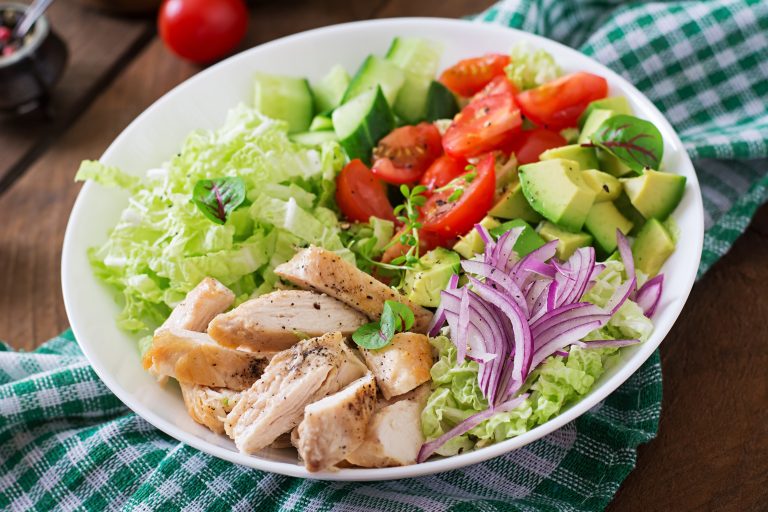
Add colorful vegetables to every meal for both visual and flavor appeal.
5. Involve Your Senses
Presentation matters. A beautiful plate can make even a simple meal feel special. Use colorful produce, garnish with fresh herbs, and serve in rustic bowls or on vibrant plates. Enjoy your meals in good company, and savor each bite.
6. Keep Trying New Recipes
Don’t rely on the same handful of meals. Try new recipes from Mediterranean cookbooks, blogs, or YouTube channels. Challenge yourself to cook one new dish a week—like a seafood paella or a baked falafel bowl.
Final Thoughts
The Mediterranean Diet offers endless possibilities, and keeping your meals exciting is all about variety, creativity, and enjoyment. By exploring different cuisines, using bold flavors, and embracing colorful ingredients, you’ll never run out of delicious and healthy ways to enjoy this lifestyle.

Recent Comments