



When it comes to eating for health, balance, and longevity, few diets have earned as much global respect as the Mediterranean diet. 🌍 Inspired by the traditional eating patterns of countries like Greece, Italy, and Spain, this diet isn’t just about food — it’s a way of life. But what makes it so healthy? And is it suitable for everyone? Let’s dive in! 🫒🍞
🥗 Why the Mediterranean Diet Is So Healthy
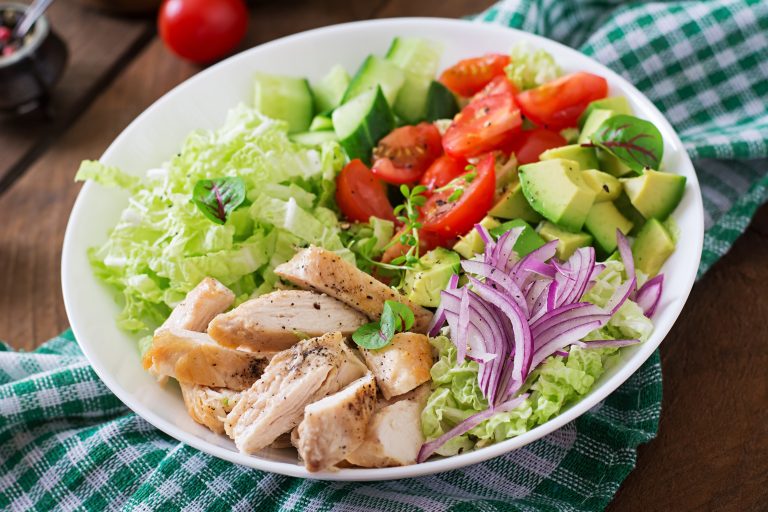
The Mediterranean diet is celebrated for being heart-friendly, anti-inflammatory, and nutrient-rich. It emphasizes whole, unprocessed foods — think colorful vegetables, juicy fruits, whole grains, legumes, nuts, seeds, olive oil, and lean proteins like fish and chicken. 🐟🌾
Here’s why it’s so good for you:
❤️ 1. It’s Great for Heart Health
Olive oil — the star of the show — is packed with monounsaturated fats, which help lower bad cholesterol and protect your heart. Combine that with omega-3-rich fish, and you’ve got a winning combo for cardiovascular wellness. 💓
🧠 2. It Supports Brain Function
The Mediterranean diet is rich in antioxidants and healthy fats, which nourish your brain, improve focus, and may lower your risk of Alzheimer’s and cognitive decline. Studies show that people who follow this diet tend to have sharper minds as they age. 🧠✨
🦋 3. It Reduces Inflammation
Processed foods, sugar, and trans fats can trigger inflammation — a key factor in chronic disease. The Mediterranean diet, however, is loaded with anti-inflammatory foods like leafy greens, tomatoes, nuts, and fatty fish. 🌿
⚖️ 4. It Helps Maintain a Healthy Weight
Unlike restrictive diets, the Mediterranean approach focuses on balance, moderation, and mindful eating. You won’t count calories — instead, you’ll enjoy satisfying meals full of fiber and healthy fats that naturally keep hunger in check. 🍽️
🌍 Is It for Everyone?
Absolutely — with a few tweaks! 🙌
The Mediterranean diet isn’t a one-size-fits-all plan, but it’s incredibly flexible. Whether you’re vegetarian, gluten-free, or dairy-sensitive, you can easily adapt it by focusing on the core principles: whole foods, healthy fats, and moderation.
Even older adults and those with chronic conditions (like diabetes or high blood pressure) benefit from this sustainable way of eating. 🫶
🌞 Final Thought
The Mediterranean diet isn’t just a diet — it’s a lifestyle of health and joy. 🕊️ By eating fresh, moving daily, and sharing meals with loved ones, you’ll nourish both your body and soul. So yes, it’s for everyone — especially those who want to live longer, feel lighter, and thrive naturally. 💚

Recent Comments