


Mediterranean Diet Glossary
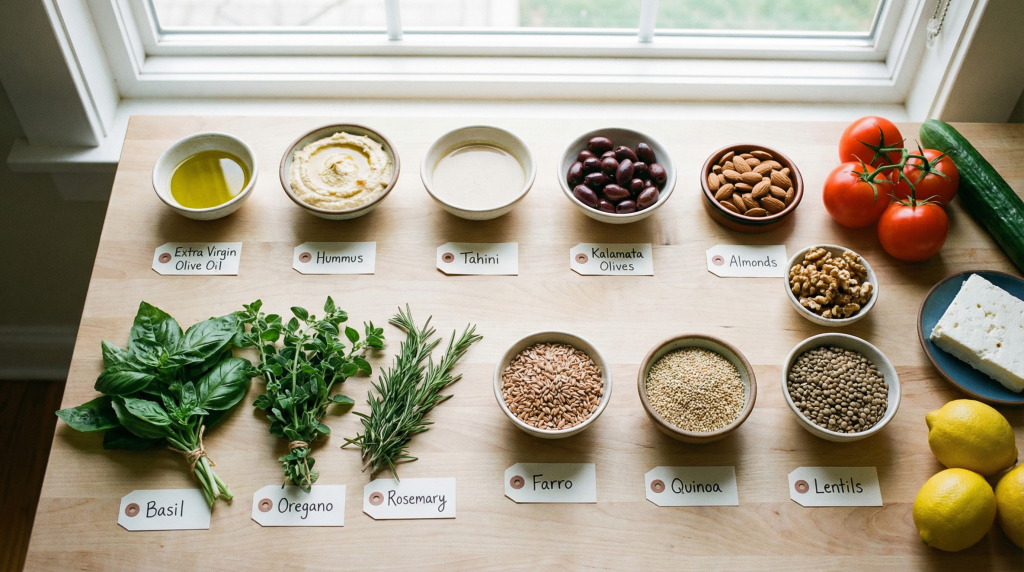
- Extra Virgin Olive Oil
A high-quality olive oil obtained from the first pressing of olives without chemical treatment. It is rich in monounsaturated fats and antioxidants, making it a staple fat source in the Mediterranean diet.
- Legumes
A group of plant foods including beans, lentils, chickpeas, and peas. They are an excellent source of plant-based protein, fiber, vitamins, and minerals.
- Tahini
A paste made from ground sesame seeds, commonly used in Mediterranean and Middle Eastern cuisine. It provides healthy fats, protein, and minerals like calcium and magnesium.
- Monounsaturated Fats
A type of healthy fat found in foods like olive oil, avocados, and nuts. These fats help reduce bad cholesterol levels and support heart health.
- Polyphenols
Plant compounds with antioxidant properties found abundantly in fruits, vegetables, olive oil, nuts, and wine. They help protect the body from inflammation and oxidative stress.
- Omega-3 Fatty Acids
Essential polyunsaturated fats found mainly in fatty fish, flaxseeds, and walnuts. Omega-3s support brain health and reduce inflammation.
- Whole Grains
Grains that retain all their natural parts — bran, germ, and endosperm. Examples include whole wheat, barley, and brown rice. They provide fiber, vitamins, and help with digestive health.
- Nuts
Edible seeds enclosed in a hard shell such as almonds, walnuts, and pistachios. Nuts are rich in healthy fats, protein, fiber, and important nutrients.
- Seafood
Fish and shellfish consumed for their high-quality protein, omega-3 fatty acids, and minerals. Common Mediterranean seafood includes sardines, anchovies, and octopus.
- Fresh Herbs
Leaves from plants such as basil, oregano, rosemary, and thyme used to flavor dishes naturally. These herbs are rich in antioxidants and add nutritional benefits without extra calories.
- Red Wine
Wine made from dark-colored grape varieties, consumed in moderation in the Mediterranean diet. It contains antioxidants like resveratrol, which may have heart benefits.
- Mediterranean Cuisine
Culinary traditions from countries bordering the Mediterranean Sea, emphasizing fresh, seasonal ingredients, simple preparation, and balanced meals.
- Fiber
A type of carbohydrate found in fruits, vegetables, legumes, and whole grains that the body cannot digest. Fiber promotes digestive health and helps regulate blood sugar and cholesterol.
- Plant-Based Diet
An eating approach that focuses primarily on foods derived from plants like fruits, vegetables, grains, nuts, and legumes, which is characteristic of the Mediterranean diet.
- Antioxidants
Molecules found in many plant foods that help protect cells from damage caused by free radicals, reducing the risk of chronic diseases.
- Seasonal Eating
Choosing foods that are harvested and available naturally during a particular season. This practice supports freshness, variety, and nutritional quality.
- Probiotics
Beneficial live bacteria found in fermented foods like yogurt and kefir that support gut health and immune function.
- Fermented Foods
Foods produced through controlled microbial growth and fermentation, such as yogurt and certain cheeses, which enhance digestion and provide probiotics.
- Balanced Plate
A meal composition that includes a variety of food groups in appropriate proportions, emphasizing vegetables, healthy fats, and moderate protein, typical of Mediterranean meals.
- Social Eating
Sharing meals with family and friends, an important cultural aspect of the Mediterranean lifestyle that promotes mindfulness and enjoyment of food.
- Pasta
Traditionally prepared from durum wheat semolina, pasta is a staple carbohydrate source in Mediterranean countries, often paired with vegetables, olive oil, and legumes.
- Citrus Fruits
Fruits like oranges, lemons, and grapefruits, rich in vitamin C and antioxidants, commonly consumed in Mediterranean diets.
- Caloric Density
A measure of the number of calories in a given amount of food. The Mediterranean diet emphasizes low to moderate caloric density foods such as vegetables and legumes to maintain healthy weight.
- Sustainable Eating
Choosing foods that have a low environmental impact, such as locally grown produce and seafood, a principle aligned with Mediterranean diet practices.
- Mediterranean Lifestyle
Beyond diet, this includes physical activity, adequate rest, stress reduction, and social connection, all contributing to overall health and well-being.
Recent Comments