

The Ultimate Beginner’s Guide to the Mediterranean Diet: Healthy, Delicious, and Simple to Follow
The Mediterranean Diet has become one of the world’s most celebrated eating plans—and for good reason. It’s a heart-healthy, flavorful way to nourish your body while enjoying every bite. Whether you want to improve your overall health, lose weight, or just eat more mindfully, this guide will introduce you to the basics and help you get started confidently.
Read on to discover what the Mediterranean Diet is, understand its unique food pyramid, explore detailed food choices, try out a practical 3-day meal plan, and learn handy tips to keep you motivated and successful.
What is the Mediterranean Diet?
The Mediterranean Diet is not just a diet—it’s more of a lifestyle inspired by the traditional eating habits of people living in countries bordering the Mediterranean Sea, such as Greece, Italy, Spain, and southern France.
It emphasizes:
- Whole, minimally processed foods
- Fresh fruits and vegetables
- Healthy fats, especially olive oil
- Moderate amounts of whole grains, legumes, nuts, and seeds
- Lean proteins like fish and poultry
- Occasional dairy in the form of cheese or yogurt
- Limited intake of red meat and sweets
- Enjoying meals socially and mindfully
Unlike many fad diets, the Mediterranean Diet is sustainable and flexible. It’s more about what you eat regularly than strict calorie counting or cutting food groups.
Why is it healthy?
Research shows the Mediterranean Diet can:
- Reduce risk of heart disease and stroke
- Lower bad cholesterol (LDL) and improve good cholesterol (HDL)
- Support brain health and reduce risk of cognitive decline
- Help maintain a healthy weight
- Reduce inflammation in the body
- Promote longevity and lower risk of chronic diseases like diabetes and cancer
Key Principles
- Prioritize plant-based foods: Most of your plate should be veggies, fruits, legumes, nuts, and whole grains.
- Healthy fats are a staple: Olive oil is the main fat source, replacing butter and other less healthy fats.
- Protein comes mostly from fish and poultry: Red meat is eaten sparingly, often as a special occasion food.
- Enjoy meals with family and friends: Eating is social and slow to promote satisfaction and mindful digestion.
- Moderate wine intake: If you drink alcohol, wine (particularly red) is common but should be consumed in moderation.
The Mediterranean Diet Food Pyramid
To better understand portion and frequency guidance, it’s helpful to look at the Mediterranean Diet Food Pyramid. Unlike traditional restrictive pyramids, this model showcases which foods to eat daily, weekly, and occasionally.
Base Level: Eat Daily and Abundantly
- Fruits & Vegetables: Aim for a variety of colors, types, and seasonal produce.
- Whole Grains: Choose whole wheat bread, brown rice, bulgur, barley, farro, whole grain pasta, and more.
- Healthy Fats: Extra virgin olive oil is the primary fat, used both in cooking and dressing.
- Nuts & Seeds: Include almonds, walnuts, pistachios, flaxseeds, and others.
- Herbs & Spices: Garlic, basil, oregano, rosemary, and other fresh or dried herbs for flavor instead of salt.
Middle Level: Eat Weekly
- Legumes: Beans, lentils, chickpeas, and peas are excellent protein and fiber sources.
- Fish & Seafood: Aim for at least 2 servings per week—rich in omega-3 healthy fats.
- Poultry & Eggs: Moderate portions are fine several times a week.
- Dairy: Choose moderate amounts of cheese and yogurt, ideally plain and fermented varieties.
Top Level: Eat Occasionally
- Red Meat: Limit intake to a few times per month or less.
- Sweets & Pastries: Enjoy in small amounts on special occasions.
- Processed Foods: Minimize processed snacks, fast food, and sugary drinks.
Alcohol
- Optional and should be consumed in moderation, typically 1 glass of red wine per day for women, up to 2 for men.
A Detailed Food List: What to Eat and What to Limit
Here’s a practical breakdown of foods to focus on and which ones to enjoy less frequently or avoid.
What to Eat (Regularly)
Vegetables
- Leafy greens (spinach, kale, arugula)
- Tomatoes, cucumbers, zucchini, eggplant
- Peppers, onions, artichokes, broccoli
- Seasonal, fresh, or frozen without sauces
Fruits
- Berries, apples, oranges, peaches, pears
- Grapes, melons, figs, pomegranates
- Fresh or dried without added sugar
Whole Grains
- Brown rice, quinoa, farro, bulgur, barley
- Whole wheat bread, pasta, and couscous
- Oats, millet, and cornmeal
Legumes
- Lentils, chickpeas, black beans, kidney beans
- Great for soups, stews, salads, and dips (hummus)
Nuts & Seeds
- Almonds, walnuts, cashews, pistachios
- Pumpkin seeds, flaxseeds, chia seeds
- Unsalted and raw or dry-roasted preferred
Healthy Fats
- Extra virgin olive oil (for cooking & dressings)
- Small amounts of avocado
Seafood
- Fatty fish rich in omega-3 like salmon, sardines, mackerel, anchovies
- Shellfish like shrimp, mussels, clams
Poultry & Eggs
- Chicken, turkey (preferably organic or free-range)
- Eggs in moderation (around 3-4 per week)
Dairy
- Greek yogurt, plain yogurt (ideally low or non-fat)
- Cheeses like feta, Parmesan, mozzarella (in moderation)
What to Limit
Red Meat
- Beef, lamb, pork: limit to a few times a month, small portions
- Prefer lean cuts if consumed
Processed Meats
- Sausages, bacon, deli meats are best avoided or consumed rarely due to added preservatives and sodium.
Sweets & Refined Sugar
- Cakes, cookies, pastries, candy, ice cream
- Minimize intake and prefer fruit-based desserts when craving sweets
Refined Grains
- White bread, regular pasta, white rice (occasionally, not daily)
Butter & Margarine
- Replace with olive oil or small amounts of nut butters
Processed & Fried Foods
- Limit fried snacks, fast food, chips, and similar
Sugary Beverages
- Soda, packaged fruit juices, energy drinks; water and herbal teas are the best beverages.
Sample 3-Day Mediterranean Diet Meal Plan
Here’s a welcoming, nutritious, and easy-to-follow 3-day Mediterranean meal plan to help you get started. Each day is balanced, flavorful, and includes practical meals suitable for beginners.
Day 1
Breakfast: Greek yogurt with honey, walnuts, and fresh berries
Snack: Handful of almonds and an apple
Lunch: Mediterranean chickpea salad with cucumber, tomatoes, red onion, parsley, feta queso, and olive oil dressing
Snack: Carrot sticks with hummus
Dinner: Grilled salmon with lemon and herbs, served with quinoa and roasted Mediterranean vegetables (zucchini, eggplant, and red peppers)
Dessert: Sliced orange wedges with a sprinkle of cinnamon
Day 2
Breakfast: Oatmeal cooked with almond milk topped with sliced banana, chia seeds, and a drizzle of honey
Snack: A small bowl of mixed olives and cherry tomatoes
Lunch: Whole grain pita stuffed with falafel, mixed greens, and tahini sauce
Snack: A small handful of pistachios and fresh figs
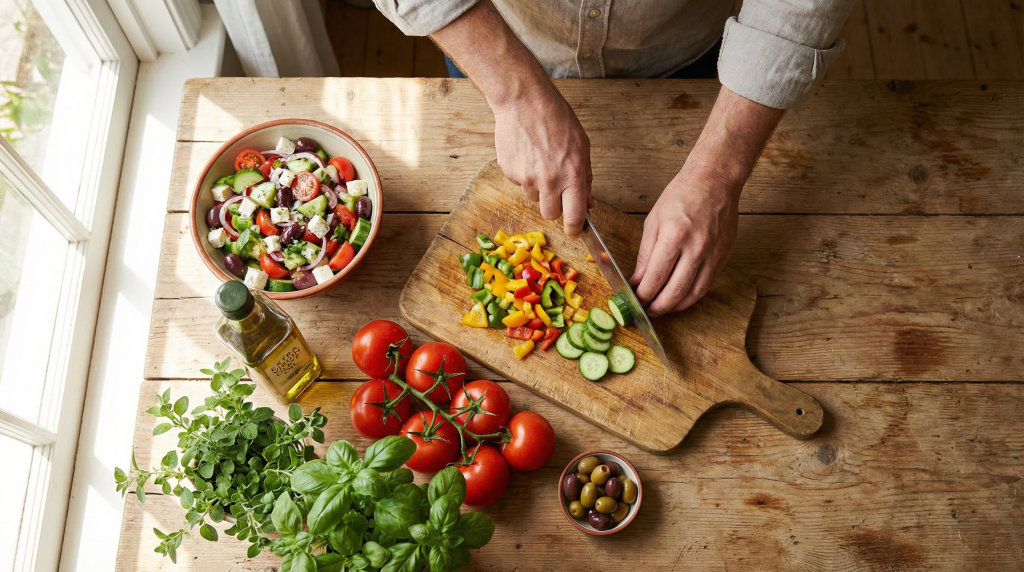
Dinner: Chicken souvlaki skewers with tzatziki sauce, served alongside a Greek salad (cucumber, tomato, olives, red onion) and whole wheat couscous
Dessert: Greek yogurt with a few dark chocolate chips
Day 3
Breakfast: Whole grain toast with smashed avocado, cherry tomatoes, and a poached egg
Snack: Fresh grapes and a piece of cheese (such as Manchego or feta)
Lunch: Lentil soup with garlic and herbs, served with a side of whole grain bread
Snack: Sliced bell peppers with baba ganoush (eggplant dip)
Dinner: Baked cod with tomatoes, olives, capers, and fresh herbs, served with steamed broccoli and brown rice
Dessert: Baked apple with cinnamon and a sprinkle of crushed walnuts
Tips for Success on the Mediterranean Diet
Starting any new eating plan can feel overwhelming, but the Mediterranean Diet is designed to be flexible and enjoyable. Here are some encouraging tips to help you stick with it and thrive:
1. Start Simple
You don’t need to overhaul your entire diet overnight. Begin by adding more fruits, vegetables, and olive oil to your meals. Swap white bread for a whole grain option. Gradually replace less healthy fats with olive oil.
2. Cook at Home
Prepare your own meals when possible. This gives you full control over ingredients and encourages creativity. Use Mediterranean spices and herbs to add flavor without salt.
3. Make It Social
Share meals with family or friends. The Mediterranean lifestyle celebrates eating slowly and enjoying conversation — this can improve digestion and satisfaction.
4. Plan Ahead
Keep your kitchen stocked with staples like olive oil, canned beans, nuts, fresh produce, and whole grains. Plan your grocery shopping and meals in advance to avoid last-minute unhealthy choices.
5. Explore and Experiment
Try a new Mediterranean recipe each week. Incorporate different types of fish, legumes, or grains to keep things exciting.
6. Hydrate Smartly
Drink plenty of water throughout the day. If you enjoy tea or coffee, feel free to include those, but limit sugary drinks.
7. Use Healthy Fats Generously
Don’t shy away from olive oil—it’s a cornerstone of this diet. Use it for cooking, drizzling on salads, and dips.
8. Enjoy Red Wine Responsibly
If it fits your lifestyle and health, a glass of red wine with dinner can enhance the experience. If you don’t drink alcohol, this is absolutely fine—you can fully enjoy the diet without it.
9. Be Patient and Kind to Yourself
Lifestyle changes take time. If you slip up, don’t stress. Focus on progress, not perfection.
10. Prioritize Whole, Fresh Foods
Ingredients in their natural form (fresh vegetables, whole grains, fresh fish) are the foundation of the Mediterranean approach. The less processed your foods, the better.
Final Thoughts
The Mediterranean Diet is much more than a way of eating—it’s a celebration of freshness, flavor, and community. It’s accessible, sustainable, and backed by decades of science proving its benefits for your heart, brain, and overall health.
As you embark on this delicious journey, remember it’s about nourishing your body joyfully, embracing new foods and habits, and savoring life’s moments.
Start small, stay curious, and enjoy the bounty of the Mediterranean way! Your body—and your taste buds—will thank you.
If you’re ready to dive deeper, try cooking a Mediterranean-inspired recipe tonight or walk through your local grocery store picking up some staples from the food list. Step-by-step, you’re creating a healthier, happier you.
Buon appetito! (Enjoy your meal!) 🌿🍅🍇🍋
Recent Comments