

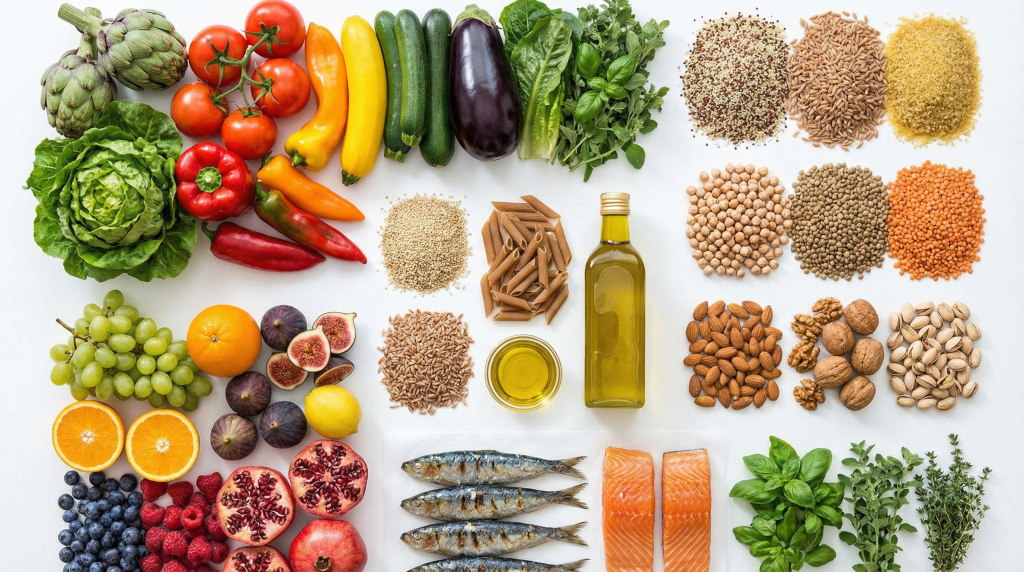

The Ultimate Comprehensive Food List for the Mediterranean Diet: Your Go-To Reference
The Mediterranean Diet has garnered global acclaim for its robust health benefits, including improved heart health, weight management, and reduced risk of chronic diseases. Rooted in the traditional eating patterns of countries bordering the Mediterranean Sea, this diet emphasizes whole, minimally processed foods rich in nutrients, healthy fats, and natural flavors. Beyond a mere diet, it is a lifestyle choice celebrating vibrant foods and social eating.
To help you embrace and adhere to the Mediterranean Diet, this comprehensive food list outlines the essential categories and examples of foods to include, along with a detailed section on what to limit or avoid. Consider this your definitive guide to stocking your pantry, planning meals, and nourishing your body the Mediterranean way.
Vegetables: The Cornerstone of Mediterranean Eating
Vegetables are at the heart of Mediterranean cuisine, consumed in generous quantities daily. They are packed with fiber, antioxidants, vitamins, and essential minerals that support overall health and well-being. Seasonal and local vegetables are preferred, often lightly cooked or eaten raw, allowing their natural flavors and nutrients to shine.
Key Vegetables for the Mediterranean Diet
- Leafy Greens: Spinach, kale, Swiss chard, arugula, romaine lettuce, endive, escarole, watercress
- Cruciferous Vegetables: Broccoli, cauliflower, Brussels sprouts, cabbage, bok choy, radishes
- Alliums: Onions, garlic, leeks, shallots, scallions
- Nightshades: Tomatoes (fresh, sun-dried), red and green bell peppers, eggplants, chili peppers
- Root Vegetables: Carrots, beets, turnips, radishes
- Squashes: Zucchini, yellow squash, pumpkin, butternut squash
- Other Vegetables: Cucumbers, fennel, celery, artichokes, asparagus, green beans, peas, mushrooms (portobello, cremini, chanterelle, shiitake)
These vegetables can be incorporated into salads, stews, roasted dishes, or served raw with a drizzle of olive oil or a sprinkle of herbs.
Fruits: Nature’s Sweet Treats, Rich in Fiber and Antioxidants
Fruits are enjoyed frequently in the Mediterranean Diet, usually fresh and in season. They provide natural sugars balanced with fiber, vitamins, and powerful phytonutrients. Fruit also serves as a healthier dessert option or snack.
Typical Mediterranean Fruits
- Citrus Fruits: Oranges, lemons, grapefruits, tangerines, blood oranges
- Berries: Strawberries, blackberries, raspberries, blueberries
- Stone Fruits: Peaches, plums, nectarines, apricots, cherries
- Pome Fruits: Apples, pears
- Grapes: Red, green, black varieties (including for whole consumption or fresh raisins)
- Melons: Watermelon, cantaloupe, honeydew
- Figs: Fresh and dried
- Pomegranates
- Kiwifruit
- Dates (in moderation)
- Olives (technically a fruit, integral to the diet as well)
Fruits are often eaten as part of snacks, desserts, or breakfast dishes.
Whole Grains: Complex Carbohydrates for Sustained Energy
The Mediterranean Diet favors whole grains over refined grains, providing lasting energy, fiber, vitamins, and minerals. Whole grains help maintain healthy digestion and support stable blood sugar levels.
Common Whole Grains in Mediterranean Cuisine
- Wheat Varieties: Whole wheat, bulgur, farro, freekeh
- Brown Rice: Various types including basmati and arborio
- Barley
- Oats: Steel-cut, rolled
- Rye
- Corn: Whole kernel, polenta (cornmeal)
- Quinoa (Though native to South America, quinoa is increasingly embraced in Mediterranean-style diets)
- Couscous: Whole wheat couscous is preferred over refined
- Millet
Grains are typically a base for meals or incorporated into salads (e.g., tabbouleh), soups, and pilafs.
Legumes: The Plant-Based Protein Powerhouses
Legumes are emphasized as a vital source of plant-based protein, fiber, vitamins, and minerals. They help maintain muscle mass, promote gut health, and provide complex carbohydrates.
Common Mediterranean Legumes
- Lentils (green, brown, red)
- Chickpeas (garbanzo beans)
- Cannellini beans
- Kidney beans
- Fava beans
- Black beans
- Green peas
- Broad beans
- Navy beans
- Lupini beans
- Split peas
Legumes are frequently incorporated into stews, salads, dips (such as hummus), and spreads.
Healthy Fats: The Heart of Mediterranean Flavor and Nutrition
Unlike many diets that restrict fats, the Mediterranean Diet embraces healthy fats, primarily from plant sources and oily fish. These fats support cardiovascular health, brain function, and inflammation reduction.
Primary Sources of Healthy Fats
- Extra Virgin Olive Oil: The signature fat, used generously in dressings, cooking, and dipping
- Nuts: Almonds, walnuts, pistachios, hazelnuts, pine nuts, cashews, chestnuts, macadamia nuts
- Seeds: Sunflower seeds, pumpkin seeds, sesame seeds (including tahini), flaxseeds, chia seeds
- Avocados: Rich in monounsaturated fats, widely accepted in Mediterranean-style diets
- Fatty Fish Oils: Omega-3s from fish and seafood sources (see next section)
Healthy fats replace saturated and trans fats that are limited in the diet, enhancing satiety and flavor.
Fish and Seafood: Lean Protein and Omega-3 Fatty Acids
Seafood is a cornerstone of the Mediterranean Diet, consumed regularly (often several times weekly), especially fatty fish rich in omega-3 fatty acids.
Recommended Fish and Seafood
- Fatty Fish: Salmon, mackerel, sardines, anchovies, trout, herring
- White Fish: Cod, haddock, sea bass, snapper, sole, halibut
- Shellfish: Shrimp, prawns, crab, lobster, scallops, clams, mussels, oysters
- Octopus and squid (calamari)
- Caviar (occasionally)
Fish and seafood are ideally grilled, baked, or lightly sautéed rather than fried, preserving nutrient value and flavor.
Poultry and Eggs: Moderate Sources of Animal Protein
While red meat consumption is limited, the Mediterranean Diet includes moderate amounts of poultry and eggs as protein sources, preferably from free-range or organically raised animals.
Typical Poultry and Egg Sources
- Chicken (preferably skinless)
- Turkey
- Duck (occasionally)
- Eggs (chicken, duck, quail)
Poultry is reserved for a few times per week, often roasted, grilled, or added to salads and soups. Eggs are used versatilely, from breakfast dishes to baked goods.
Dairy: Emphasizing Fermented and Moderate Consumption
Dairy is consumed in moderate amounts with a focus on fermented and traditionally prepared forms, which promote gut health and provide calcium and probiotic benefits.
Common Mediterranean Dairy Products
- Yogurt (especially Greek yogurt)
- Cheese (moderate quantities), especially:
- Feta cheese
- Parmesan
- Pecorino Romano
- Ricotta
- Halloumi
- Manchego
- Caciotta
- Kasseri
- Milk (preferably whole or low-fat, consumed in smaller quantities)
Dairy is not a primary food group but supports variety and calcium intake.
Herbs and Spices: Elevating Flavors Naturally Without Excess Salt
One hallmark of the Mediterranean Diet is the liberal use of herbs and spices to enhance food with natural, health-promoting flavors. This reduces the need for added salt or heavy sauces.
Common Mediterranean Herbs and Spices
- Herbs:
- Basil
- Oregano
- Rosemary
- Thyme
- Mint
- Parsley
- Cilantro
- Dill
- Sage
- Bay leaves
- Marjoram
- Spices:
- Cinnamon
- Cumin
- Coriander
- Paprika (sweet and smoked)
- Turmeric (less common but gaining use)
- Black pepper
- Fennel seeds
- Anise
- Nutmeg
- Cloves
- Others:
- Lemon zest
- Sumac
- Za’atar (a herb and spice blend)
- Saffron (used in select Mediterranean regions)
These ingredients add vibrant, complex flavors and have antioxidant or anti-inflammatory properties.
Foods to Limit or Avoid on the Mediterranean Diet
While the Mediterranean Diet is flexible, certain foods are limited or discouraged due to their associations with inflammation, metabolic dysfunction, or nutrient-poor profiles. These foods often reflect modern Western diets rather than traditional Mediterranean eating.
Foods to Limit
- Red Meat: Consumption limited to a few times monthly; mostly lean cuts if consumed. Avoid processed red meats such as sausages or deli meats.
- Processed Meats: Salami, bacon, hot dogs, pepperoni, bologna — high in sodium, nitrates, and unhealthy fats.
- Refined Grains: White bread, white pasta, white rice, pastries, and baked goods made from refined flour.
- Added Sugars: Sugary drinks (sodas, fruit juices with added sugars), candy, and desserts high in processed sugars.
- Saturated and Trans Fats: Butter (used sparingly), margarine, shortening, hydrogenated oils.
- Fast Food and Deep-Fried Foods: French fries, fried chicken, and other heavily fried offerings.
- Highly Processed Snacks and Convenience Foods: Chips, crackers, packaged sweets.
- Excessive Salt: While salt is used sparingly in Mediterranean cooking, high-sodium processed foods should be avoided.
- Sweetened Dairy Products: Flavored yogurts or ice creams with added sugars.
Foods to Avoid
- Sugary Beverages: Sodas, energy drinks, and artificially sweetened beverages.
- Artificially Processed Foods: Those containing preservatives, artificial colors, or additives.
- Highly Processed Oils: Palm oil, cottonseed oil, partially hydrogenated oils.
Final Thoughts: Embracing the Mediterranean Food Philosophy
The Mediterranean Diet is more than a list of foods; it is an approach that celebrates fresh, seasonal produce, whole foods, healthy fats, and balanced protein sources, prepared with care and enjoyed in good company.
When following this diet, focus on:
- Eating a rainbow of colorful vegetables and fruits daily.
- Prioritizing whole grains over refined grains.
- Including legumes and nuts regularly for plant-based protein and healthy fats.
- Incorporating fish and seafood several times a week.
- Limiting red meat and processed foods.
- Using herbs and spices to enhance natural flavors.
- Using extra virgin olive oil as the primary fat source.
This comprehensive food guide provides a reliable foundation to stock your kitchen, inspire your meal planning, and adopt a healthful, sustainable eating pattern that has stood the test of time.
References & Further Reading:
- Mediterranean Diet Overview – Harvard T.H. Chan School of Public Health
- The Oldways Mediterranean Diet Pyramid
- American Heart Association: Mediterranean Diet Recommendations
- “Mediterranean Diet and Cardiovascular Health” – New England Journal of Medicine, 2013
- “Dietary Guidelines for Americans 2020-2025”
By embracing these foods and principles, you’re not only fueling your body with nutrient-dense options but also partaking in a time-honored culinary heritage that promotes longevity and well-being. Bon appétit, Mediterranean style!
Recent Comments