


Mediterranean Diet FAQ
The Basics
1. What is the Mediterranean diet?
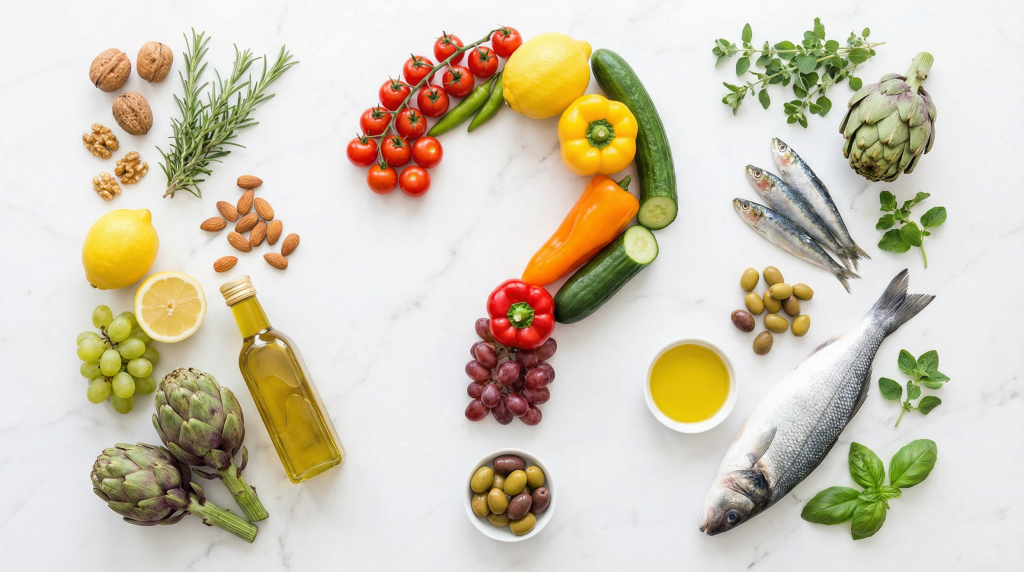
The Mediterranean diet is a heart-healthy eating pattern inspired by the traditional dietary habits of countries bordering the Mediterranean Sea, such as Greece, Italy, and Spain. It emphasizes whole, minimally processed foods like vegetables, fruits, whole grains, legumes, nuts, olive oil, moderate fish and poultry, and limited red meat and sweets.
2. Why is the Mediterranean diet considered healthy?
Extensive research shows the Mediterranean diet reduces the risk of cardiovascular disease, type 2 diabetes, certain cancers, and cognitive decline. Its focus on plant-based foods, healthy fats, and lean protein supports overall health, weight management, and longevity.
3. Is the Mediterranean diet a weight loss diet?
While not designed solely for weight loss, the Mediterranean diet can support healthy weight management through nutrient-dense, satisfying foods, fiber-rich produce, and balanced portions. Many people experience weight loss when adopting this eating style long-term.
4. Who developed or popularized the Mediterranean diet?
The diet’s health benefits were initially studied by Ancel Keys in the 1950s and 1960s, notably through the Seven Countries Study. Since then, nutrition researchers have extensively studied and promoted the diet.
5. How does the Mediterranean diet differ from other diets?
Unlike restrictive diets, the Mediterranean diet emphasizes variety, flexibility, and enjoyment of food. It prioritizes healthy fats over low-fat options, encourages moderate wine intake, and centers around whole foods rather than processed or calorie-counted meals.
—
Foods to Eat & Avoid
6. What foods are encouraged on the Mediterranean diet?
Key foods include:
– Vegetables and fruits (high intake)
– Whole grains (like brown rice, quinoa, whole wheat)
– Legumes (beans, lentils, chickpeas)
– Nuts and seeds
– Olive oil (primary fat source)
– Fish and seafood (at least twice weekly)
– Moderate poultry, eggs, and dairy (especially yogurt and cheese)
– Red wine (optional, moderate amounts)
7. Which foods should be limited or avoided?
Limit red and processed meats, sugary sweets and beverages, refined grains (white bread, pastries), high-fat dairy products, and processed or fried foods.
8. Can I eat dairy on the Mediterranean diet?
Yes. Moderate amounts of dairy, mainly in the form of yogurt and cheese like feta or parmesan, are included. Choose low-fat or fermented dairy options for additional health benefits.
9. Is olive oil better than other oils?
Yes. Extra virgin olive oil is rich in monounsaturated fats and antioxidants, which help reduce inflammation and improve heart health. It’s preferred over butter, margarine, and vegetable oils high in omega-6 fatty acids.
10. How much fish should I eat?
Aim for at least two servings (about 8 ounces) of fish or seafood per week. Fatty fish such as salmon, sardines, mackerel, and anchovies supply heart-healthy omega-3 fatty acids.
—
Practical Questions
11. Is the Mediterranean diet expensive?
While fresh produce and quality olive oil can cost more, the diet’s emphasis on legumes, whole grains, and seasonal vegetables can be budget-friendly. Planning meals and reducing processed food purchases often lowers costs overall.
12. Can vegetarians follow the Mediterranean diet?
Yes. The diet can be easily adapted for vegetarians by focusing on plant-based proteins like legumes, nuts, seeds, whole grains, dairy, and eggs, while still emphasizing olive oil and plenty of fruits and vegetables.
13. Can I drink wine on the Mediterranean diet?
Moderate wine consumption, especially red wine with meals, is common in Mediterranean cultures. That means up to one glass per day for women and two for men, but this is optional and not recommended for individuals with alcohol-related health concerns.
14. How do I start the Mediterranean diet?
Begin by increasing your intake of fruits, vegetables, whole grains, and olive oil. Replace butter with olive oil, add nuts and legumes regularly, eat fish twice a week, and gradually reduce red meat and processed food consumption.
15. Are there Mediterranean diet meal plans or recipes available?
Yes. Numerous cookbooks and online resources offer recipes and meal plans that incorporate traditional Mediterranean dishes, making it easy to adopt the diet in practical ways.
16. Can I eat out while following the Mediterranean diet?
Many Mediterranean diet components are available at restaurants, such as grilled fish, vegetable-heavy dishes, salads with olive oil, and whole grain sides. Choose wisely by limiting fried foods and creamy dressings.
—
Health Concerns
17. Does the Mediterranean diet reduce heart disease risk?
Yes. Studies consistently show the diet lowers LDL (bad) cholesterol, raises HDL (good) cholesterol, improves blood vessel function, reduces inflammation, and ultimately decreases heart disease and stroke risk.
18. Is the Mediterranean diet good for diabetes management?
The diet’s emphasis on fiber-rich vegetables, whole grains, legumes, and healthy fats improves blood sugar control, insulin sensitivity, and reduces the risk of developing type 2 diabetes.
19. Can the Mediterranean diet help with cognitive health?
Research suggests adherence to the Mediterranean diet is linked to slower cognitive decline, reduced risk of Alzheimer’s disease, and better overall brain function in older adults, likely due to its anti-inflammatory and antioxidant properties.
20. Are there any risks or drawbacks to the Mediterranean diet?
The diet is generally safe and balanced for most people. However, excessive wine consumption or high calorie intakes from nuts and oils without portion control could lead to weight gain. Those with specific allergies or medical conditions should tailor the diet accordingly.
21. Is the Mediterranean diet suitable for children?
Yes. It’s a balanced, nutrient-rich approach appropriate for children and can be modified to meet their energy and developmental needs while establishing healthy lifelong eating habits.
22. Can I follow the Mediterranean diet if I have food allergies?
The diet is adaptable. If you have allergies (e.g., nuts, seafood, gluten), substitute safe alternatives such as seeds in place of nuts or gluten-free whole grains, while maintaining the diet’s overall principles.
—
For personalized advice, consulting a registered dietitian or healthcare provider is recommended before making significant dietary changes.
Recent Comments