

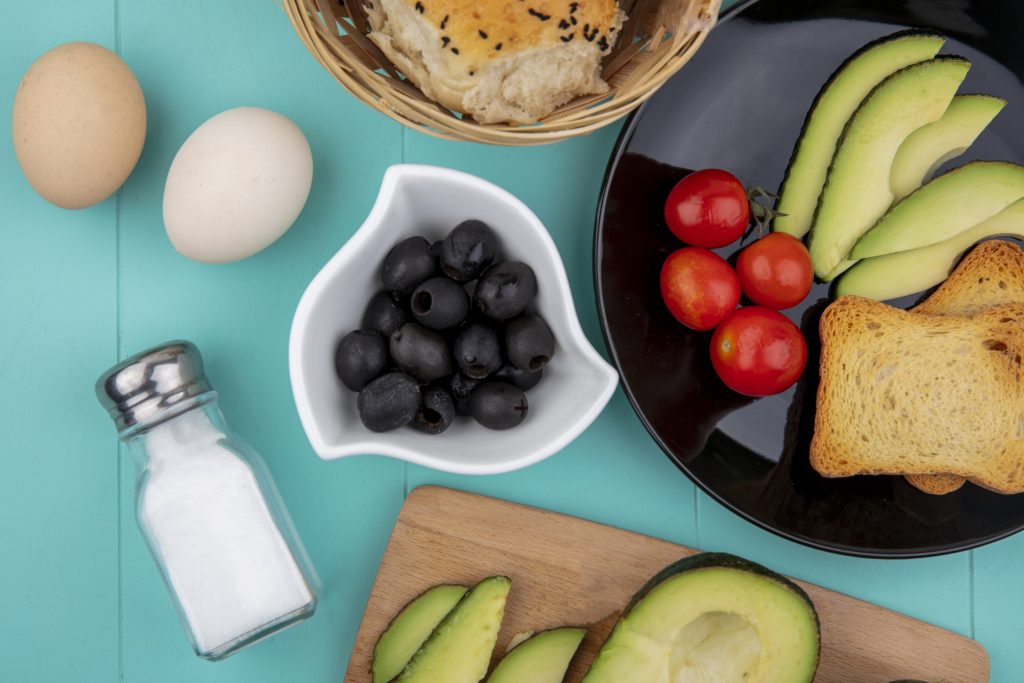

You might picture fancy imported goods, but the real Mediterranean diet is all about simple, whole foods. Think vibrant veggies 🍅, juicy fruits 🍉, hearty whole grains 🌾, and satisfying legumes like lentils and chickpeas 🌱. These are budget-friendly superstars! Red meat takes a backseat, and while fish is great 🐟, it doesn’t always have to be the most expensive fillet. Think canned tuna or frozen sardines – still packed with goodness! For more on the importance of fruits and vegetables, check out The Star Players: Prioritizing Fruits & Veggies in the Mediterranean Diet! ✨
💰 Mediterranean vs. the Typical Western Plate: A Surprise!
Here’s a little secret: going Mediterranean can actually be cheaper than what many people typically eat. 🤯 Studies have even shown that families can save money by ditching processed foods and meat-heavy meals for plant-powered Mediterranean fare. It makes sense, right? Beans and lentils are way kinder to your bank account than that daily burger! 🍔➡️🌱 If you want some simple recipes to get started, see Starting Your Mediterranean Journey: Simple Recipes for Beginners!
Smart Swaps for a Wallet-Friendly Mediterranean Feast 🛒
Want to embrace the Mediterranean without breaking the bank? Here are some savvy tips:
- Go Seasonal & Local: Farmers’ markets are your friend! Fresh, in-season produce is usually cheaper and tastes amazing. 🥕🧅
- Frozen & Canned are Your Allies: Don’t shy away from frozen berries 🫐 or canned tomatoes 🥫 and beans. They’re just as nutritious and last longer. Learn more about frozen and canned options in Are Canned & Frozen Veggies Mediterranean Diet Friendly? (Spoiler: Yes!)
- Bulk Buying for the Win: Stock up on pantry staples like oats, rice, and dried beans when they’re on sale. 💪
- Legume Love: Make lentils, chickpeas, and other legumes the stars of your meals. They’re protein powerhouses that won’t drain your funds.
- Olive Oil Wisdom: Yes, good quality extra-virgin olive oil can be an investment, but a little goes a long way, and the health perks are worth it! Just buy a decent-sized bottle. 🫒
The Bottom Line: Healthy Doesn’t Have to Be High-Priced 🎉
The Mediterranean diet proves that eating well doesn’t require a hefty budget. By focusing on affordable, wholesome ingredients and making smart shopping choices, you can enjoy the delicious flavors and incredible health benefits of this lifestyle without emptying your pockets. So, ditch the expensive processed stuff and say hello to a vibrant, budget-friendly Mediterranean way of eating! 👋 For more insights on why this diet works so well, see Why The Mediterranean Diet Works?

Recent Comments