

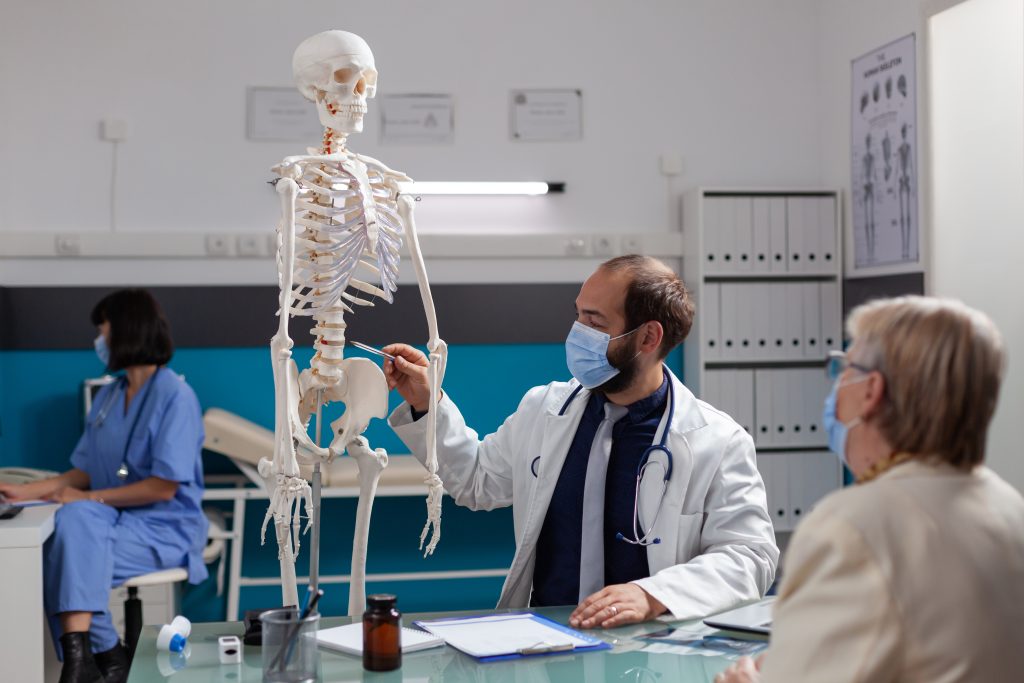

When you think of strong bones, you might immediately picture a tall glass of milk. 🥛 But what if we told you that one of the world’s healthiest diets—the Mediterranean Diet—could also play a powerful role in keeping your bones strong and resilient? 💪 From fresh vegetables to heart-healthy fats, this way of eating supports not only your heart and brain but your skeletal health too. Here’s how the Mediterranean Diet boosts your bone health naturally. 🌿
🥗 1. Packed with Calcium-Rich Foods (Even Without Milk!)
While the Mediterranean Diet isn’t dairy-heavy, it includes small amounts of cheese, yogurt, and sardines—all rich in calcium, the essential mineral for building and maintaining bones.
✅ Try: Greek yogurt with berries or a salad topped with feta cheese.
🐟 2. Omega-3s for Inflammation Control
Inflammation can weaken bones over time. Luckily, omega-3 fatty acids from fish like salmon, sardines, and mackerel help reduce inflammation and support bone density. 🐠
✅ Aim for: 2 servings of fatty fish per week.
🥬 3. Leafy Greens for Bone-Friendly Nutrients
Dark leafy greens like spinach, kale, collard greens, and arugula are rich in vitamin K, magnesium, and calcium—all vital for healthy bones. 🥗
✅ Add greens to soups, stews, or your morning omelet.
🫘 4. Plant-Based Power
The Mediterranean Diet includes beans, lentils, and nuts, which are loaded with magnesium and phosphorus—important minerals that work with calcium to build bones. 🌰
✅ Snack on almonds or whip up a lentil salad.
🍋 5. Vitamin D Boost from Sun and Food
Vitamin D helps your body absorb calcium. While sunlight is the best source 🌞, you can also get some from foods like eggs, sardines, and fortified yogurt.
✅ Pro tip: Spend time outdoors and include Vitamin D-rich foods in your diet.
🧂 6. Low in Bone-Harming Foods
The Mediterranean Diet is naturally low in processed foods, added sugars, and excess salt—which can leach calcium from your bones. It’s a win-win for your whole body!
✅ Cook from scratch and flavor with herbs instead of salt. 🌿
🌟 Final Bite
Yes, the Mediterranean Diet is absolutely bone-friendly! With its focus on whole, nutrient-dense foods, anti-inflammatory fats, and natural sources of calcium and magnesium, it gives your skeleton the support it needs to stay strong. So next time you enjoy a Greek salad with a drizzle of olive oil or a grilled piece of salmon, know you’re doing something amazing for your bones. 🦴❤️
Ready to eat your way to stronger bones? Grab that fork—it’s time to go Mediterranean! 🍽️

Recent Comments