



The Mediterranean diet, renowned for its health benefits and delicious flavors, is inspired by the traditional eating habits of countries bordering the Mediterranean Sea, such as Greece, Italy, and Spain. This diet emphasizes whole, minimally processed foods and healthy fats, making it both nutritious and enjoyable. Here’s a look at the main foods that define the Mediterranean diet:
🍊Fruits and Vegetables 🥬
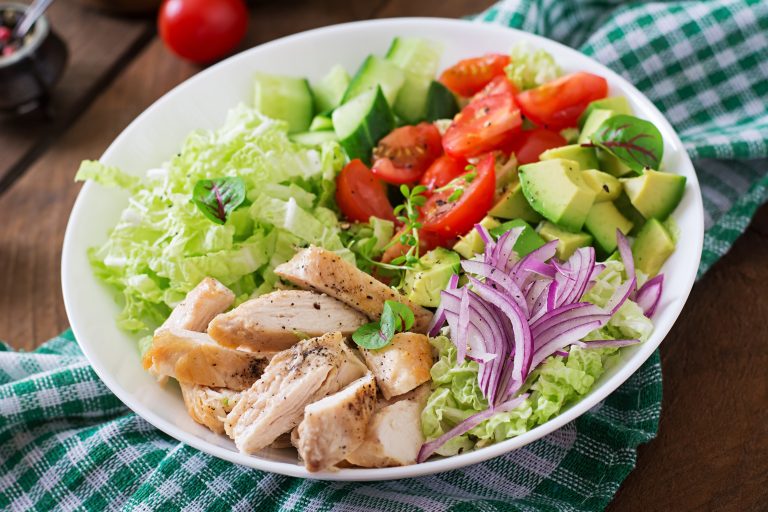
A cornerstone of the Mediterranean diet is its abundant consumption of fruits and vegetables. Fresh, seasonal produce is preferred, including tomatoes, cucumbers, bell peppers, spinach, kale, and leafy greens. Fruits like oranges, apples, grapes, figs, and melons are commonly enjoyed. These foods are rich in vitamins, minerals, antioxidants, and fiber, contributing to overall health and well-being.
🌾Whole Grains 🌾
Whole grains play a significant role in the Mediterranean diet. Foods such as whole-wheat bread, barley, farro, bulgur, quinoa, and brown rice are staples. These grains provide essential nutrients, including fiber, B vitamins, and iron, and they help maintain steady energy levels and support digestive health.
🫘Legumes and Nuts 🥜
Legumes, including beans, lentils, and chickpeas, are vital components of the Mediterranean diet. They are excellent sources of plant-based protein, fiber, and essential nutrients like folate and iron. Nuts and seeds, such as almonds, walnuts, pistachios, and sunflower seeds, are also key, offering healthy fats, protein, and antioxidants.
🫒Healthy Fats 🥑
Olive oil is the primary source of fat in the Mediterranean diet, celebrated for its monounsaturated fats and antioxidant properties. It is used in cooking, dressings, and as a finishing touch to dishes. Other healthy fats come from avocados, nuts, and seeds. The diet also includes fatty fish like salmon, mackerel, and sardines, rich in omega-3 fatty acids that support heart health.
🧀Dairy and Protein 🥚
Moderate amounts of dairy are included in the Mediterranean diet, typically in the form of cheese and yogurt. These foods provide calcium, protein, and probiotics. Poultry and eggs are consumed in moderation, while red meat is eaten sparingly. Fish and seafood are encouraged at least twice a week, offering lean protein and essential nutrients.
🧄 Herbs and Spices 🌶️
To enhance flavor without relying on salt, the Mediterranean diet incorporates a variety of herbs and spices, such as oregano, basil, thyme, rosemary, and garlic. These not only add depth to dishes but also provide additional health benefits due to their antioxidant properties.
❗Conclusion ❗
The Mediterranean diet’s emphasis on whole, nutrient-dense foods, healthy fats, and moderate protein intake makes it a balanced and sustainable way of eating. By focusing on fresh, flavorful ingredients, this diet supports overall health and longevity while delighting the palate with every meal.

Recent Comments