



The Mediterranean Diet is more than just a trend—it’s a time-tested way of eating that’s packed with flavor, health benefits, and cultural richness. Whether you’re a curious foodie or just beginning your wellness journey, here are 20 interesting facts that will give you a deeper appreciation of this heart-healthy lifestyle. 🌿
1. 🌍 It’s Inspired by Multiple Countries
The Mediterranean Diet is based on traditional eating patterns from Greece, Italy, Spain, and other countries along the Mediterranean Sea.
2. 🫒 Olive Oil Is the Star
Extra virgin olive oil is the primary fat used—rich in heart-healthy monounsaturated fats.
3. 🐟 Seafood Over Red Meat
Fish like salmon, sardines, and mackerel are preferred over red meats due to their omega-3 content.
4. 🍞 Bread Is Allowed
Whole grain breads are welcome—just skip the butter and dip it in olive oil instead!
5. 🧄 Herbs, Not Salt
Flavor comes from fresh herbs like basil, oregano, garlic, and thyme—not from salt.
6. 🍷 Wine in Moderation
Red wine is enjoyed in small amounts, often with meals.
7. 🧘♀️ It’s Not Just About Food
The Mediterranean lifestyle includes regular movement, social meals, and stress reduction.
8. 🍇 Fruits Are the Go-To Sweets
Instead of sugary desserts, people enjoy fresh fruits like figs, grapes, or oranges.
9. 🫘 Legumes Are Staples
Beans, chickpeas, and lentils are affordable sources of protein and fiber.
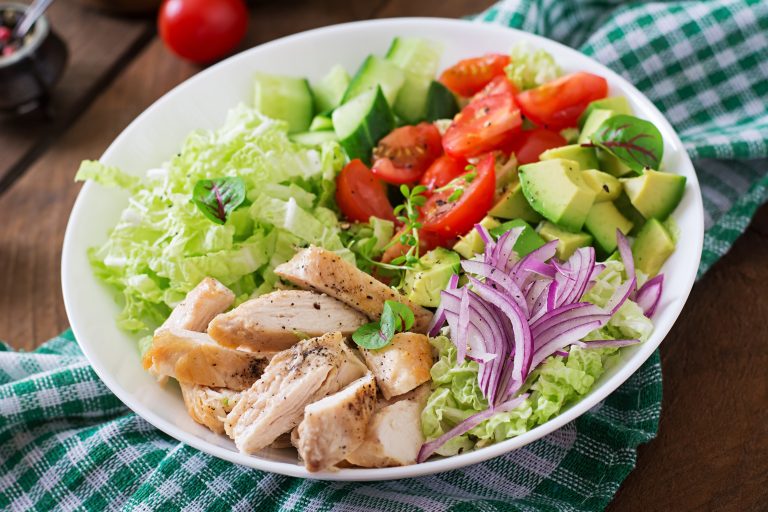
10. 🥗 Salads Are a Daily Dish
Fresh vegetable salads are often part of both lunch and dinner.
11. 🧀 Cheese and Yogurt Are Included
Dairy isn’t off-limits—just in moderation. Think feta, Parmesan, and Greek yogurt.
12. 🍗 Poultry Over Pork
When meat is eaten, it’s usually chicken or turkey, not heavily processed meats.
13. 🌾 Whole Grains Win
Foods like brown rice, bulgur, farro, and oats are preferred over white rice or pasta.
14. 🥬 Plant-Based First
Vegetables take center stage, while meat plays more of a supporting role.
15. ❤️ It’s Heart-Healthy
The diet is proven to reduce the risk of heart disease, stroke, and high blood pressure.
16. 🧠 Great for Brain Health
Studies link it to better memory and lower risk of Alzheimer’s disease.
17. 🕊️ UNESCO Recognized
The Mediterranean Diet is considered an Intangible Cultural Heritage of Humanity.
18. 👵 Promotes Longevity
People in Mediterranean regions often live longer, healthier lives.
19. 🌞 Meals Are Slow and Social
Eating is a shared experience, often enjoyed with family and friends.
20. 🥄 No Calorie Counting Required
It focuses on what you eat, not just how much—making it sustainable and enjoyable.
Final Thought:
The Mediterranean Diet isn’t just a “diet”—it’s a joyful, healthy, and delicious way of living. 🫶 Ready to dive in? Grab a bowl of olives and start savoring the Mediterranean life!

Recent Comments