
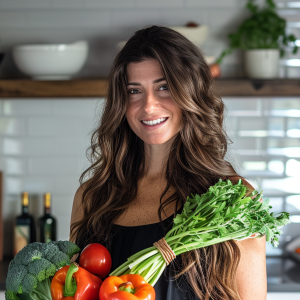


The Mediterranean diet is known for its focus on fresh, whole, and nutrient-rich foods. But let’s be honest—life gets busy, and cooking from scratch every day isn’t always realistic. The good news? Frozen foods can fit perfectly into a Mediterranean lifestyle, as long as you choose wisely. ❄️🍇
According to dietitians, frozen foods can be just as nutritious as fresh ones because they’re often flash-frozen at peak ripeness, locking in vitamins and minerals. Here are the best frozen foods to keep on hand when following the Mediterranean diet. 🌿🍽️
1. Frozen Vegetables 🥦
Frozen broccoli, spinach, zucchini, green beans, and bell peppers are Mediterranean staples. They retain their nutrients and make meal prep a breeze. Use them in soups, stir-fries, pasta dishes, or as quick side dishes.
2. Frozen Berries 🍓
Berries like strawberries, blueberries, raspberries, and blackberries are packed with antioxidants and fiber. Add them to Greek yogurt, oatmeal, or smoothies for a healthy and refreshing boost.
3. Frozen Fish & Seafood 🐟
Fish is the heart of the Mediterranean diet, and frozen options like salmon, tuna, shrimp, and sardines are excellent. They’re rich in omega-3 fatty acids, which support heart and brain health. Dietitians suggest baking or grilling them with olive oil and herbs.
4. Frozen Whole Grains 🌾
Frozen quinoa, brown rice, and farro save time and make it easy to incorporate fiber-rich, nutrient-dense grains into your meals. Use them as bases for grain bowls or Mediterranean-style salads.
5. Frozen Legumes 🫘
Frozen chickpeas, lentils, and edamame are high in plant-based protein and fiber. Toss them into salads, stews, or Mediterranean hummus for extra nutrition.
6. Frozen Avocado 🥑
Yes, you can buy frozen avocado chunks! Perfect for smoothies, salads, or creamy spreads, they make adding healthy fats easy and convenient.
7. Frozen Herbs 🌿
Frozen basil, parsley, dill, and cilantro retain their flavor and nutrients. They’re perfect for sauces, dips, and marinades, keeping Mediterranean flavors alive year-round.
Final Bite 🍴✨
Frozen foods are not shortcuts—they’re smart tools for making the Mediterranean diet practical and sustainable. By stocking up on frozen veggies, berries, seafood, grains, and legumes, you can enjoy nutrient-packed, flavorful meals without sacrificing convenience. 🧊🥗The Mediterranean diet is known for its focus on fresh, whole, and nutrient-rich foods. But let’s be honest—life gets busy, and cooking from scratch every day isn’t always realistic. The good news? Frozen foods can fit perfectly into a Mediterranean lifestyle, as long as you choose wisely. ❄️🍇
According to dietitians, frozen foods can be just as nutritious as fresh ones because they’re often flash-frozen at peak ripeness, locking in vitamins and minerals. Here are the best frozen foods to keep on hand when following the Mediterranean diet. 🌿🍽️
1. Frozen Vegetables 🥦
Frozen broccoli, spinach, zucchini, green beans, and bell peppers are Mediterranean staples. They retain their nutrients and make meal prep a breeze. Use them in soups, stir-fries, pasta dishes, or as quick side dishes.
2. Frozen Berries 🍓
Berries like strawberries, blueberries, raspberries, and blackberries are packed with antioxidants and fiber. Add them to Greek yogurt, oatmeal, or smoothies for a healthy and refreshing boost.
3. Frozen Fish & Seafood 🐟
Fish is the heart of the Mediterranean diet, and frozen options like salmon, tuna, shrimp, and sardines are excellent. They’re rich in omega-3 fatty acids, which support heart and brain health. Dietitians suggest baking or grilling them with olive oil and herbs.
4. Frozen Whole Grains 🌾
Frozen quinoa, brown rice, and farro save time and make it easy to incorporate fiber-rich, nutrient-dense grains into your meals. Use them as bases for grain bowls or Mediterranean-style salads.
5. Frozen Legumes 🫘
Frozen chickpeas, lentils, and edamame are high in plant-based protein and fiber. Toss them into salads, stews, or Mediterranean hummus for extra nutrition.
6. Frozen Avocado 🥑
Yes, you can buy frozen avocado chunks! Perfect for smoothies, salads, or creamy spreads, they make adding healthy fats easy and convenient.
7. Frozen Herbs 🌿
Frozen basil, parsley, dill, and cilantro retain their flavor and nutrients. They’re perfect for sauces, dips, and marinades, keeping Mediterranean flavors alive year-round.
Final Bite 🍴✨
Frozen foods are not shortcuts—they’re smart tools for making the Mediterranean diet practical and sustainable. By stocking up on frozen veggies, berries, seafood, grains, and legumes, you can enjoy nutrient-packed, flavorful meals without sacrificing convenience. 🧊🥗

Recent Comments