


The Mediterranean diet is known for its fresh, wholesome foods and balanced lifestyle—but beverages play an important role, too. The drinks in this diet are simple, natural, and packed with health benefits. They keep you hydrated, provide essential nutrients, and complement the heart-healthy eating style. Here are 20 healthy drinks that fit perfectly into the Mediterranean way of life.
1. Water – The cornerstone of hydration. Aim for plenty of fresh, clean water daily.
2. Sparkling Water – A refreshing alternative to soda, especially with a slice of lemon or orange.
3. Herbal Tea – Chamomile, mint, or hibiscus teas provide antioxidants and relaxation.
4. Green Tea – Rich in catechins, green tea supports metabolism and heart health.
5. Black Tea – Contains antioxidants that may improve circulation and reduce inflammation.
6. Fresh Lemon Water – Boosts vitamin C intake and aids digestion.
7. Fresh Orange Juice (in moderation) – Provides immune-boosting nutrients; best enjoyed freshly squeezed.
8. Pomegranate Juice – Packed with polyphenols that support heart health.
9. Red Wine (in moderation) – One small glass a few times a week may offer cardiovascular benefits due to resveratrol.
10. Fresh Vegetable Juice – Blends of cucumber, celery, and leafy greens provide vitamins without excess sugar.
11. Almond Milk (unsweetened) – A plant-based, nutrient-rich milk alternative.
12. Oat Milk (unsweetened) – Contains fiber and a mild flavor, perfect for coffee or tea.
13. Fresh Berry Smoothies – Blend berries with Greek yogurt for a nutrient-packed drink.
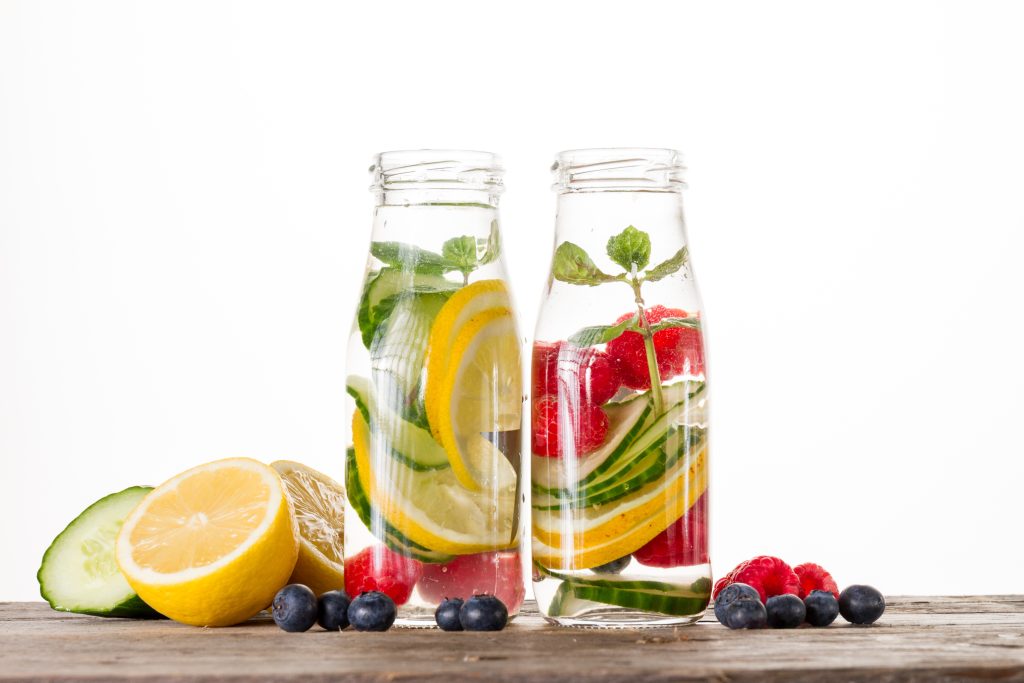
14. Infused Water – Add fruits, herbs, or cucumber slices for natural flavor without sugar.
15. Low-Fat Milk – Provides calcium and protein while keeping saturated fat intake in check.
16. Coconut Water – Naturally hydrating with electrolytes, perfect after physical activity.
17. Fresh Tomato Juice – Rich in lycopene, which supports heart health.
18. Greek Yogurt Drinks (Ayran) – A tangy, probiotic-rich beverage popular in Mediterranean regions.
19. Herbal Infusions – Drinks like fennel or sage tea are traditional and soothing.
20. Espresso or Black Coffee – Enjoyed without sugar, coffee offers antioxidants and an energy boost.
Tips for Mediterranean Diet Beverages
- Limit Added Sugars – Even natural drinks like fruit juice should be enjoyed in moderation.
- Stay Hydrated Naturally – Prioritize water and herbal infusions over sweetened beverages.
- Use Fresh Ingredients – Whenever possible, make drinks from fresh fruits, vegetables, and herbs.
- Practice Moderation with Alcohol – Red wine may be beneficial in small amounts, but excess can harm health.
In the Mediterranean lifestyle, drinks are not just about quenching thirst—they’re about nourishing the body. By focusing on these 20 healthy beverages, you can stay refreshed, boost your nutrient intake, and enjoy the vibrant flavors of this world-renowned diet.

Recent Comments