

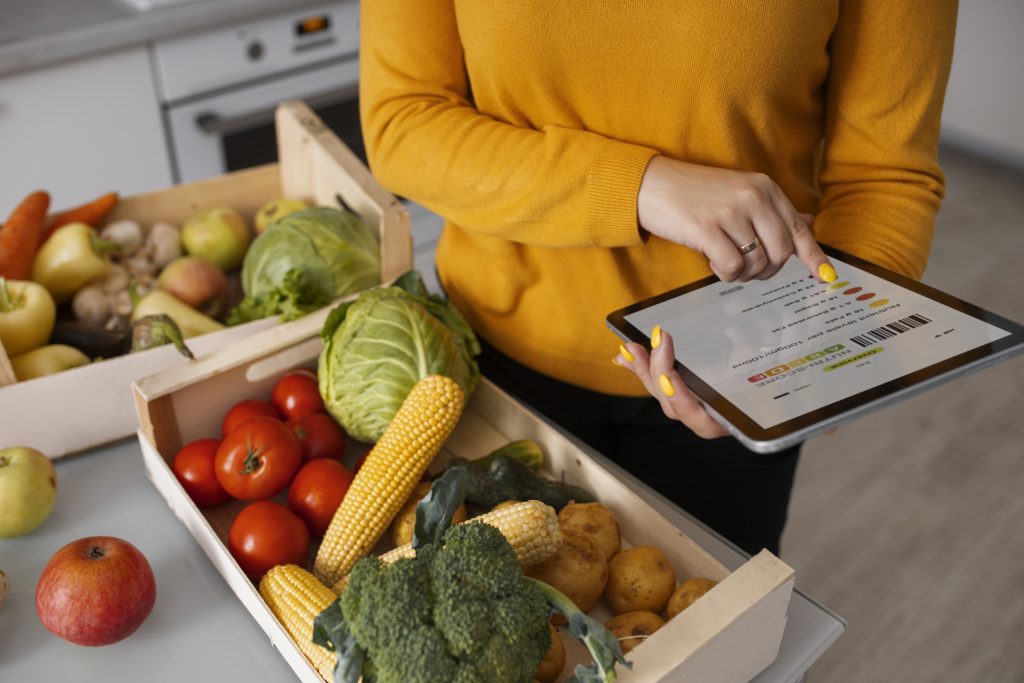

Eating healthy can feel expensive—but the Mediterranean way of eating doesn’t have to break the bank 💸. While photos online show fancy seafood and colorful plates, real Mediterranean eating is built on simple, affordable foods like beans, grains, vegetables, and olive oil 🫒🌿.
Here’s how to enjoy the Mediterranean diet without overspending—and still eat well.
🥫 Build Meals Around Budget Staples
Some of the most Mediterranean-friendly foods are also the cheapest:
- Beans and lentils 🫘
- Rice, oats, and whole grains 🌾
- Canned tomatoes 🍅
- Eggs 🥚
- Frozen vegetables 🥦
These foods are filling, nutritious, and versatile. A pot of lentil soup or beans with vegetables can feed you for days.
🐟 Be Smart With Seafood
Fish is part of the Mediterranean diet, but it doesn’t have to be expensive. You don’t need fresh salmon every week 😅.
Budget-friendly options include:
- Canned tuna or sardines 🐟
- Frozen fish fillets
- Buying fresh fish on sale
You can also rotate fish with beans, chickpeas, or eggs to save money while still getting protein.
🫒 Use Olive Oil the Smart Way
Olive oil is a staple, but you don’t need to use huge amounts. A little goes a long way for flavor and health 🫒.
Buy a larger bottle when it’s on sale and use it mindfully for cooking and drizzling. This saves money over time and helps control portions.
🛒 Shop Seasonal and Frozen Produce
Seasonal produce is usually cheaper and tastes better 🍎🥕. When fresh veggies are pricey, frozen options are just as nutritious and often more affordable.
Stock up when items are on sale and freeze extra portions for later. This reduces food waste and saves cash.
🍲 Cook Once, Eat Twice
Mediterranean meals are perfect for leftovers. Soups, stews, grain bowls, and roasted vegetables taste even better the next day 😍.
Batch cooking helps you:
- Save money
- Save time ⏱️
- Avoid takeout
One big pot of soup can cover several meals.
🍽️ Keep It Simple
You don’t need complicated recipes or fancy ingredients. Simple meals like:
- Beans with olive oil and herbs
- Rice with vegetables
- Eggs with greens
- Yogurt with fruit
are affordable, filling, and very Mediterranean 🌿.
😌 The Budget-Friendly Mindset
The Mediterranean diet is about habits, not perfection. You don’t need imported ingredients or expensive superfoods. Focus on whole foods, simple cooking, and smart shopping.
✨ The Takeaway
Eating Mediterranean on a budget is totally possible 🫒💚. With smart swaps, simple meals, and a little planning, you can eat well for less—and still enjoy every bite.

Recent Comments