


The Mediterranean diet is widely praised for its heart-protective benefits, and one of its biggest strengths is its ability to support healthy cholesterol levels. High cholesterol, especially LDL (“bad” cholesterol), is a major risk factor for heart disease. By following the Mediterranean way of eating, you can naturally improve your lipid profile and promote cardiovascular wellness. Here are five powerful ways this diet helps lower cholesterol.
1. Choose Healthy Fats Over Saturated Fats
One of the key principles of the Mediterranean diet is replacing saturated fats with healthier options. Instead of butter and processed oils, extra virgin olive oil is the primary fat used. It’s rich in monounsaturated fats, which can reduce LDL cholesterol while boosting HDL (“good” cholesterol). Adding nuts, seeds, and avocados also provides heart-friendly fats that support cholesterol balance.
2. Eat More Fiber-Rich Plant Foods
Soluble fiber binds to cholesterol in the digestive system, helping the body flush it out before it enters the bloodstream. Mediterranean staples like lentils, beans, chickpeas, oats, whole grains, and fruits such as apples and pears are all excellent sources of fiber. Vegetables like eggplant and broccoli also play a key role. Regularly including these foods helps naturally lower LDL levels.
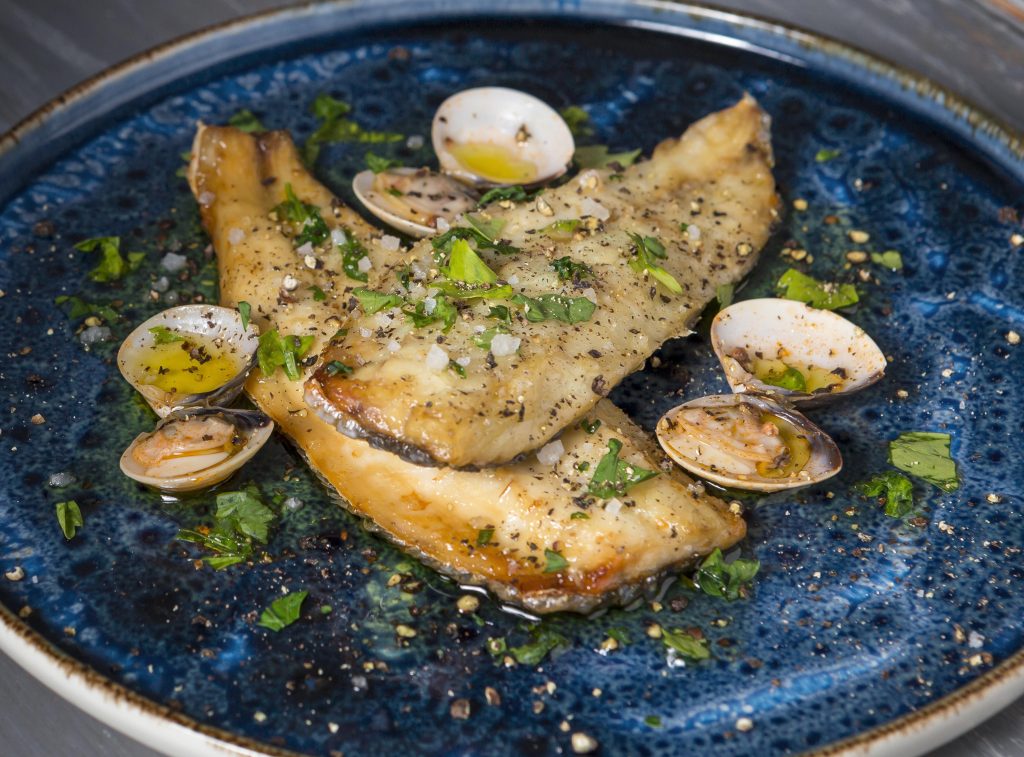
3. Enjoy Fatty Fish Instead of Red Meat
Red and processed meats are high in saturated fats, which can raise cholesterol. The Mediterranean diet encourages replacing them with fatty fish such as salmon, sardines, and mackerel. These fish are rich in omega-3 fatty acids, which help lower triglycerides and reduce inflammation, both of which contribute to better heart health. Eating fish at least twice a week is a simple, delicious way to support healthy cholesterol.
4. Snack on Nuts and Seeds
Nuts like almonds, walnuts, and pistachios are cholesterol-lowering superfoods. They’re high in unsaturated fats, plant sterols, and fiber, all of which work together to reduce LDL cholesterol levels. A small handful of nuts as a snack, or sprinkled over salads and yogurt, makes an easy and effective addition. Seeds such as flax, chia, and sesame also provide similar benefits.
5. Limit Processed Foods and Added Sugars
The Mediterranean diet minimizes processed foods, refined carbs, and sugary snacks. These foods can raise triglycerides and worsen cholesterol levels over time. Instead, focus on whole, minimally processed options—fresh fruits, vegetables, whole grains, and lean proteins—which nourish your body without causing cholesterol spikes.
The Bottom Line
By emphasizing healthy fats, fiber-rich plants, lean proteins, and whole foods, the Mediterranean diet provides a natural and sustainable way to lower cholesterol. These five strategies not only improve heart health but also make meals flavorful, enjoyable, and satisfying—proving that delicious food can truly be medicine.
Recent Comments