
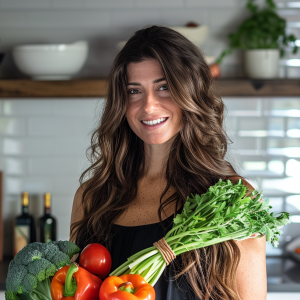


While the Mediterranean diet is not strictly plant-based, it heavily emphasizes plant-derived foods, making it a predominantly plant-forward eating style. This diet, inspired by the traditional eating patterns of countries surrounding the Mediterranean Sea, prioritizes fruits, vegetables, whole grains, legumes, nuts, and seeds, while incorporating moderate amounts of animal-based products.
🌿Plant-Based Foundation
At its core, the Mediterranean diet relies on plant-based foods for the majority of its nutrients. Fresh fruits and vegetables are key staples, often making up a large portion of every meal. Legumes such as beans, lentils, and chickpeas are excellent sources of plant-based protein and are commonly used in Mediterranean dishes. Whole grains like barley, farro, and brown rice are also favored, providing fiber and sustained energy.
🌿Healthy Fats From Plants
A defining feature of the Mediterranean diet is the use of healthy fats, primarily from olive oil. This plant-based fat is rich in monounsaturated fatty acids and antioxidants, which contribute to heart health and reduce inflammation. Nuts and seeds, which are also abundant in the diet, provide additional healthy fats, along with fiber and protein.
🥩Moderate Animal Products
While plant foods dominate the Mediterranean diet, it does include moderate amounts of animal products. Fish and seafood are consumed regularly, typically two to three times a week, due to their omega-3 fatty acid content. Poultry, eggs, and dairy products like yogurt and cheese are eaten in smaller quantities, while red meat is limited to occasional meals.
🥦Flexibility for Vegetarians and Vegans
The Mediterranean diet’s flexibility makes it easy to adapt for vegetarians and vegans. By focusing on plant-based proteins like legumes and tofu, and increasing the intake of vegetables and whole grains, vegetarians can easily follow this healthy eating pattern.
In summary, while not fully plant-based, the Mediterranean diet heavily prioritizes plant foods and offers flexibility for those looking to reduce their intake of animal products.
🍽️ Practical Tips to Embrace the Plant-Based Mediterranean Lifestyle
Want to make your Mediterranean diet more plant-based without sacrificing flavor or nutrition? Here are some simple tips to help you get started:
- Fill half your plate with veggies: At every meal, aim to have colorful vegetables taking up at least half of your plate. Think roasted peppers, leafy greens, and juicy tomatoes.
- Swap red meat for legumes: Try replacing red meat dishes with hearty lentil stews, chickpea salads, or black bean wraps a few times a week.
- Use olive oil generously: Drizzle extra virgin olive oil over salads, roasted veggies, and whole grains for that signature Mediterranean flavor and heart-healthy fats.
- Snack on nuts and seeds: Keep almonds, walnuts, or sunflower seeds handy for a quick, plant-based protein boost between meals.
- Try plant-based dairy alternatives: If you prefer to avoid animal dairy, opt for Mediterranean-inspired options like almond or oat yogurt.
For more ideas on incorporating essential ingredients, check out our guide on the top Mediterranean diet foods 🥑.
🌍 Environmental and Ethical Benefits of a Plant-Focused Mediterranean Diet
Choosing a diet rich in plant-based foods not only benefits your health but also has positive effects on the environment. The Mediterranean diet’s emphasis on plants means it tends to have a lower carbon footprint compared to diets heavy in red meat and processed foods.
By eating more legumes, grains, fruits, and vegetables, you support sustainable agriculture and reduce greenhouse gas emissions. Plus, this way of eating aligns with ethical concerns about animal welfare by limiting the consumption of animal products.
Interested in learning how to shop smartly while following this diet? Our smart shopping Mediterranean diet post has great tips to help you save money and reduce waste.
🧑🍳 Easy Meal Ideas to Boost Plant-Based Eating in Your Mediterranean Diet
Sometimes the best way to stick to a diet is by having delicious, easy recipes on hand. Here are a few Mediterranean-inspired meals that spotlight plant-based ingredients:
- Chickpea and roasted vegetable salad: Toss roasted eggplant, zucchini, and cherry tomatoes with chickpeas, fresh herbs, olive oil, and lemon juice.
- Farro tabbouleh: Use farro as a base instead of bulgur, mixed with parsley, mint, cucumber, and pomegranate seeds.
- Lentil soup: A hearty bowl of lentils simmered with garlic, tomatoes, and spices makes a comforting, protein-packed meal.
- Stuffed peppers: Fill bell peppers with a mixture of quinoa, pine nuts, raisins, and herbs for a flavorful plant-based dish.
For more inspiration, don’t miss our collection of top Mediterranean diet salads that are both nutritious and easy to prepare.
🌟 Why Choose a Plant-Based Mediterranean Diet?
Adopting a Mediterranean diet with a strong plant-based focus offers a host of benefits beyond just weight management. Studies show that this way of eating supports heart health, reduces inflammation, and may even help with joint pain relief and bone health.
Curious about the science behind these benefits? Explore our article on Mediterranean diet scientific studies for a deep dive.
And if you’re wondering is the Mediterranean diet right for you, we’ve got you covered with a helpful guide to determine if this lifestyle fits your health goals and preferences.
FAQ
Is the Mediterranean diet suitable for vegans?
Yes! While traditional Mediterranean diets include moderate animal products, the plant-forward nature makes it easy to adapt for vegans by focusing on legumes, grains, vegetables, nuts, and seeds, and using plant-based alternatives for dairy and eggs.
Can I follow the Mediterranean diet on a budget?
Absolutely! By prioritizing seasonal fruits and vegetables, buying whole grains and legumes in bulk, and minimizing expensive animal products, you can eat the Mediterranean way affordably. Check out our Mediterranean diet budget tips for more ideas.
How does the Mediterranean diet support heart health?
The diet’s emphasis on healthy fats like olive oil, nuts, and fish, combined with high fiber from fruits, vegetables, and whole grains, helps reduce bad cholesterol and inflammation, which supports cardiovascular health.
Recent Comments