
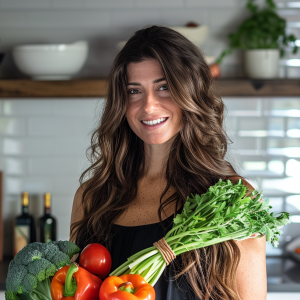


The Mediterranean diet is celebrated for its vibrant, fresh, and nutrient-dense foods, with fruits playing a starring role. Packed with vitamins, fiber, and antioxidants, fruits are not only delicious but also essential for reaping the health benefits of this lifestyle.
A Variety of Choices
The Mediterranean diet embraces a wide range of fruits, emphasizing those that are seasonal and locally sourced. Popular options include:
Citrus fruits: Oranges, lemons, and grapefruits are staples, providing a burst of vitamin C and refreshing flavors.
Berries: Strawberries, blueberries, and raspberries are rich in antioxidants and fiber.
Stone fruits: Peaches, apricots, and cherries offer natural sweetness and a juicy texture.
Melons: Watermelon and cantaloupe are hydrating and perfect for warm climates.
Apples and pears: These are easy-to-carry snacks with a balance of sweetness and crunch.
Figs and dates: Often used in Mediterranean desserts, these fruits add natural sweetness and a chewy texture.
Grapes: A classic fruit of the region, enjoyed fresh or dried as raisins.
How to Incorporate Fruits
Fruits can be enjoyed in various ways on the Mediterranean diet. Add berries to your morning oatmeal or Greek yogurt, pair apple slices with nuts for a midday snack, or toss citrus segments into a salad. Dried fruits like figs and dates can sweeten desserts or provide a quick energy boost.
Health Benefits
Fruits are low in calories but high in essential nutrients, making them a cornerstone of the Mediterranean diet’s heart-healthy and anti-inflammatory benefits.
Conclusion
Eating a variety of fresh, seasonal fruits not only adds flavor and texture to your meals but also supports overall health. With so many delicious options, fruits are a delightful and integral part of the Mediterranean diet.
Seasonal Fruits: Why Timing Matters 🍑🍒
One of the joys of the Mediterranean diet is eating fruits that are in season. Seasonal fruits tend to be fresher, tastier, and more nutritious because they are harvested at peak ripeness. For example, enjoy juicy strawberries and cherries in spring and summer, while pomegranates and persimmons shine in the fall.
Seasonal eating is also more sustainable and often more affordable. Local farmers’ markets or community-supported agriculture (CSA) programs are fantastic places to find the freshest fruit options near you. Plus, eating seasonally encourages variety, which means you get a broader spectrum of nutrients throughout the year.
Need some Mediterranean meal prep tips? Try prepping seasonal fruit salads or chopping fruits ahead of time to add to your breakfasts and snacks for the week!
Creative Ways to Enjoy Fruits on the Mediterranean Diet 🍓🍋
Fruits aren’t just for snacking or desserts. Their versatility allows them to shine in many Mediterranean dishes:
- Salads: Toss citrus segments, pomegranate seeds, or sliced apples into leafy greens with a drizzle of olive oil and a sprinkle of nuts for a refreshing salad.
- Grilled fruits: Try grilling peaches or figs for a smoky, caramelized flavor that pairs perfectly with Mediterranean cheeses like feta or goat cheese.
- Smoothies: Blend berries, bananas, and a handful of spinach with some yogurt and a splash of olive oil for a nutrient-packed smoothie.
- Breakfast bowls: Top your Greek yogurt or oatmeal with a mix of fresh and dried fruits plus a drizzle of honey and nuts for added crunch.
- Desserts: Use dates or figs to naturally sweeten cakes or energy bites without adding refined sugar.
For more inspiration, check out our Mediterranean diet recipes beginners post and discover simple, delicious ways to include fruits and other staples in your meals.
Balancing Fruits with Other Mediterranean Staples 🥑🍞
While fruits are essential, the Mediterranean diet is all about balance. Complement your fruit intake with healthy fats like olive oil and avocado — yes, avocado Mediterranean diet fans, you’re in luck! Incorporate whole grains, nuts, legumes, and plenty of vegetables to keep your meals well-rounded and satisfying.
Also, keep in mind that while fruits are natural sources of sugar, moderation is key, especially with dried fruits which are more calorie-dense. Enjoy them as part of your Mediterranean diet snacks or desserts, and balance them with protein and fiber for steady energy throughout the day.
If you’re curious about the overall why Mediterranean diet works, you’ll find that it’s this harmony of fresh, nutrient-rich foods, including fruits, that supports long-term health.
FAQ: Fruits on the Mediterranean Diet 🍎❓
Q: Can I eat fruit every day on the Mediterranean diet?
Yes! Eating a variety of fruits daily is encouraged as they provide essential vitamins, minerals, and antioxidants that support overall health.
Q: Are dried fruits healthy on the Mediterranean diet?
Dried fruits like figs, dates, and raisins are healthy but should be eaten in moderation since they are higher in natural sugars and calories compared to fresh fruits.
Q: What fruits should I avoid on the Mediterranean diet?
There are no fruits to avoid, but it’s best to limit fruit juices and canned fruits with added sugars. Focus on whole, fresh, or minimally processed fruits for maximum benefits.
Recent Comments