
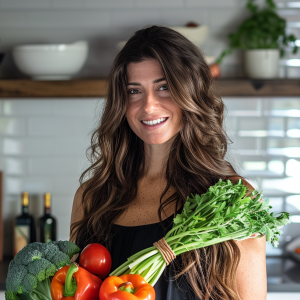


The Mediterranean Diet is more than just a meal plan—it’s a lifestyle rooted in simplicity, whole foods, and vibrant flavors. Inspired by the traditional eating patterns of countries bordering the Mediterranean Sea, this diet emphasizes fresh produce, healthy fats, lean proteins, and whole grains. Whether you’re new to it or trying to stay on track, a smart shopping strategy is key. Here’s a practical guide to help you make the most of your Mediterranean-style grocery trip.
1. Shop the Perimeter of the Grocery Store
The outer aisles of most grocery stores are where you’ll find the freshest and least processed foods—like fruits, vegetables, dairy, meats, and seafood. This layout aligns perfectly with the Mediterranean Diet. Stock up on colorful, seasonal produce, which should make up the bulk of your meals. Think tomatoes, spinach, bell peppers, zucchini, cucumbers, and leafy greens.
2. Choose Whole Grains
Swap out refined grains for whole ones. Look for whole wheat bread, brown rice, quinoa, farro, oats, and barley. These are fiber-rich, more filling, and help maintain stable blood sugar levels. Avoid white bread, sugary cereals, and processed crackers, which offer little nutritional value.
3. Prioritize Plant-Based Proteins
While the Mediterranean Diet includes moderate amounts of fish and poultry, it also embraces plant-based protein. Beans, lentils, and chickpeas are staples—affordable, versatile, and nutrient-dense. Stock up on canned or dried legumes to easily incorporate into soups, stews, or salads.
4. Buy Healthy Fats
Say goodbye to butter and hello to olive oil! A high-quality extra virgin olive oil is a Mediterranean Diet essential. Use it for cooking, dressings, or drizzling over grilled veggies. You can also include nuts like almonds, walnuts, and pistachios, and seeds like flaxseeds and chia for a heart-healthy fat boost.
5. Go for Fresh or Frozen Fish
Fish is a cornerstone of this diet, especially fatty varieties rich in omega-3s like salmon, sardines, and mackerel. Fresh fish is ideal, but frozen options are great too and often more affordable. Aim for at least two servings per week.
6. Read Labels on Packaged Foods
Not all packaged foods are bad, but it’s important to check labels. Avoid products high in added sugars, trans fats, or sodium. Stick to items with short, recognizable ingredient lists—especially when buying items like tomato sauces, canned beans, or yogurt.
7. Don’t Forget the Herbs and Spices
Mediterranean cooking is flavorful without relying on salt. Stock up on herbs like basil, oregano, thyme, rosemary, and spices like paprika and cumin. Fresh garlic, onions, and lemons also add depth and brightness to your dishes.
Final Tip: Make a list before heading out to avoid impulse buys and stay focused. With these shopping tips in hand, you’ll be well on your way to embracing the healthful and delicious Mediterranean lifestyle!
Recent Comments