

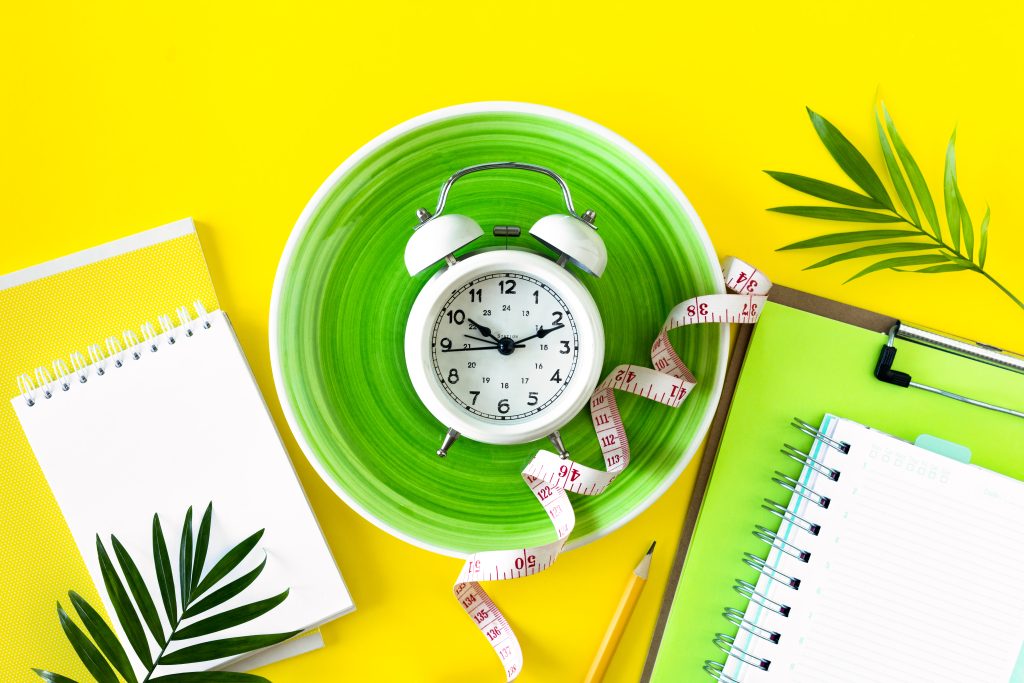

Combining the Mediterranean Diet with intermittent fasting is a powerful strategy for improving health, boosting energy, and managing weight—without feeling restricted. 🥗✨ The Mediterranean Diet is known for its heart-healthy, plant-forward approach, while intermittent fasting focuses on when you eat, not just what you eat. Merging the two can enhance the benefits of both. Here’s how to do it effectively and sustainably.
🔄 What is Intermittent Fasting?
Intermittent fasting (IF) is an eating pattern that cycles between periods of eating and fasting. The most popular methods include:
- 16:8 – Fast for 16 hours, eat during an 8-hour window
- 14:10 – A gentler version of the 16:8
- 5:2 – Eat normally for 5 days, and reduce calories to around 500-600 for 2 days
- Eat-Stop-Eat – One or two 24-hour fasts per week
Pairing this with the Mediterranean Diet means you’ll still enjoy the same wholesome meals—just within a set eating window. 🕒🍽️
🌿 Why It Works
Both the Mediterranean Diet and IF support:
- Improved metabolic health
- Better blood sugar regulation
- Reduced inflammation
- Weight management
- Increased mental clarity
Together, they can amplify these benefits without feeling overly restrictive or extreme.
🥗 How to Combine IF with the Mediterranean Diet
1. Pick a Fasting Window That Suits Your Lifestyle
Start with a manageable schedule like 14:10. For example, eat between 9 AM and 7 PM and fast the rest of the time. This helps your body ease into the routine.
2. Focus on Quality Mediterranean Meals During Eating Windows
Fill your plate with:
- Leafy greens, tomatoes, cucumbers 🥒
- Whole grains like farro or quinoa
- Lean proteins (fish, legumes, eggs) 🐟
- Healthy fats (olive oil, nuts, avocado) 🫒
- Fresh fruits and herbs 🍓🌿
3. Stay Hydrated During Fasting Periods
Water, herbal teas, and black coffee are all fasting-friendly and help keep cravings in check. 💧🍵
4. Avoid Overeating When the Fast Ends
Breaking your fast with a balanced Mediterranean meal is key. Start light—like a veggie-rich salad with olive oil and tuna—then gradually introduce your main meals.
5. Listen to Your Body
Intermittent fasting isn’t one-size-fits-all. If you feel dizzy, fatigued, or overly hungry, adjust your fasting window or eating approach.
🌟 Final Bite
Intermittent fasting and the Mediterranean Diet are a match made in health heaven. Together, they support a balanced lifestyle that’s rooted in tradition, flexibility, and nutrition. 🌞 Whether you’re aiming for weight loss, more energy, or simply feeling better overall, this powerful duo offers a path that’s both satisfying and sustainable. Ready to give it a try? Your body will thank you! 💪🥗⏳
Recent Comments