

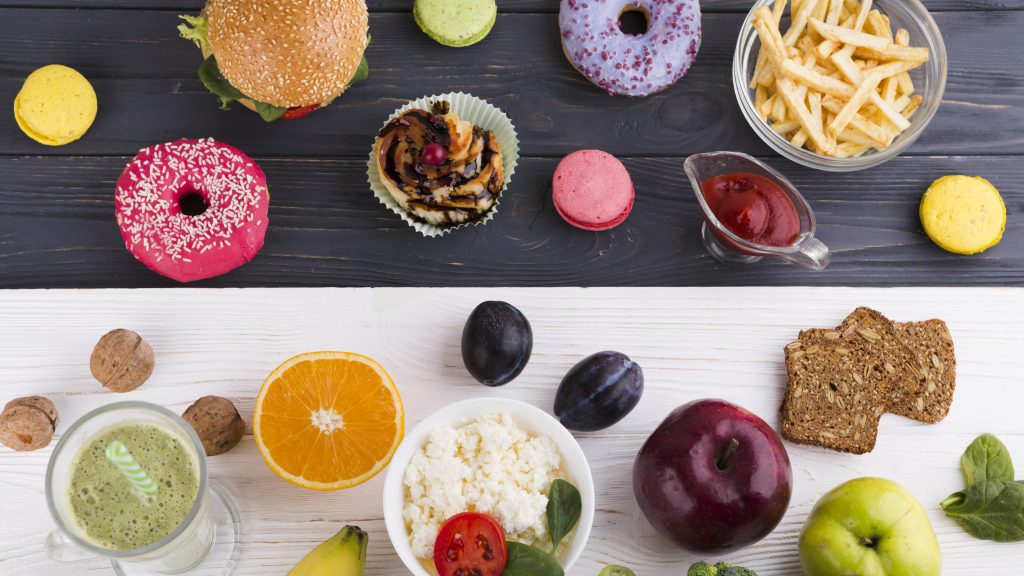

As we step into 2026, one nutrition truth is getting harder to ignore: what we eat matters just as much as how much we eat. Ultra-processed foods have quietly taken over modern diets, while the Mediterranean diet continues to stand out as a powerful, science-backed alternative 🫒🥗. This year feels like a wake-up call—and many people are finally paying attention.
🧃 The Rise of Ultra-Processed Foods
Ultra-processed foods are products made mostly from industrial ingredients, additives, and refined components. Think packaged snacks, sugary drinks, instant meals, flavored cereals, and “diet” foods with long ingredient lists 📦🚫.
These foods are designed to be hyper-palatable and convenient—but often at the cost of health. Research continues to link high consumption of ultra-processed foods to weight gain, inflammation, heart disease, type 2 diabetes, and poor gut health 😟.
In 2026, awareness is growing—but so is consumption.
🫒 The Mediterranean Diet: Real Food, Real Results
On the other side is the Mediterranean diet—a way of eating built on whole, minimally processed foods 🌿. It emphasizes vegetables, fruits, legumes, whole grains, olive oil, fish, nuts, and herbs, with occasional dairy and meat.
Instead of engineered flavors, it relies on freshness, simplicity, and balance. Meals are satisfying without being excessive, and nourishing without feeling restrictive 🥗✨.
🧠 How These Two Approaches Affect the Body
Ultra-processed foods often spike blood sugar, disrupt hunger cues, and encourage overeating. Many people feel hungrier shortly after eating them—even when calories are high 🍩📉.
The Mediterranean diet works differently. High fiber, healthy fats, and balanced meals support steady energy, better digestion, and natural appetite control 🧠💪. People often report feeling full longer, thinking more clearly, and having fewer cravings.
❤️ Long-Term Health vs. Short-Term Convenience
Ultra-processed foods win on speed—but lose on sustainability. Over time, convenience-driven eating can take a toll on heart health, mental well-being, and metabolic balance ❤️🩹.
The Mediterranean lifestyle supports long-term health, not quick fixes. It’s flexible, culturally rich, and realistic—qualities that make it easier to follow year after year.
🍽️ The 2026 Shift: From Packaged to Purposeful
In 2026, more people are questioning labels, cooking at home, and choosing foods with recognizable ingredients 🛒. Simple meals—beans with olive oil, fish and vegetables, soup and bread—are making a comeback.
This isn’t about perfection. It’s about choosing real food most of the time.
🌟 The Wake-Up Call We Needed
The Mediterranean diet vs. ultra-processed foods debate isn’t about trends—it’s about health, longevity, and quality of life 🚨. As awareness grows, the choice becomes clearer.
In 2026, the wake-up call is simple: eat food that nourishes your body, supports your health, and brings joy to the table. The Mediterranean way has been showing us how all along 🫒✨.
Recent Comments